

Alibaba launches US$13.4b Hong Kong listing to fund expansion
 Add BT as a preferred source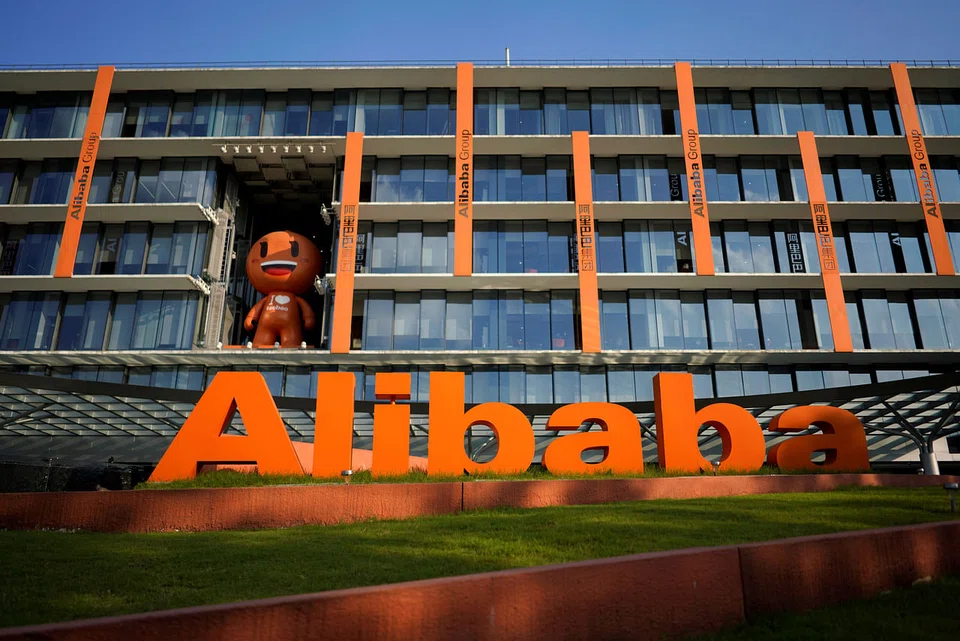
DeeperDive is a beta AI feature. Refer to full articles for the facts.
[HONG KONG] Chinese e-commerce giant Alibaba Group launched the share sale for its Hong Kong listing on Wednesday, braving unrest in the global financial hub to try to raise up to US$13.4 billion to fund its expansion plans.
The books for institutional investors looking to buy the shares opened during the New York trading session on Wednesday.
A 661-page draft prospectus for what looks set to be the world's biggest cross-border secondary listing shows Alibaba plans to use the money to invest in online delivery and local services platform Ele.me, as well as online travel group Fliggy.
It will also spend more on developing Youku, which Alibaba says is one of the leading online video platforms in China.
The share sale, set to be Hong Kong's largest in more than nine years, is a boost for the city, which has sunk into its first recession in a decade as more than five months of street protests and worries about the US-China trade war took their toll.
The progress of the protests is being monitored by Alibaba and its advisers, and is seen as a risk to the deal going ahead, according to sources with direct knowledge of the matter.
Navigate Asia in
a new global order
Get the insights delivered to your inbox.
The institutional book-building for the listing will run for a week and the stock is expected to be priced on or around Nov 20, two sources with direct knowledge of the process said.
A maximum price for the retail component of the deal will be announced next week, one said.
The people could not be named because the information has not yet been made public. Alibaba stock is due to start trading the week of Nov 25.
The company also intends to increase its investment in cloud computing and machine learning, the prospectus shows.
The Hangzhou-based company said Alibaba Cloud was currently the world's third largest Infrastructure as a Service business, by US revenue in 2018, according to a study by Gartner.
The prospectus shows Alibaba has 960 million 'digital economy users' in China, including customers of its Ant Financial partnership.
The company said its revenue was 410.8 billion renminbi (S$79.7 billion) for the year to June 30, 2019, and the total assets on its balance sheet were worth 1.01 trillion renminbi.
Alibaba had been planning to sell the shares earlier this year, but in August postponed the deal as the anti-government protests rocking Hong Kong since June became increasingly violent.
However, a source familiar with the transaction said Alibaba was confident it could overcome the negative sentiment in Hong Kong financial markets caused by the demonstrations.
The deal had been initially expected to raise up to US$15 billion, but 500 million primary shares will now be sold in the listing. Including a typical "greenshoe", or overallotment option, to sell some extra shares, the sale could raise up to US$13.4 billion.
A sale of that size would dilute existing shareholders from the company's New York listing by 2.8 per cent, and investors would be able trade shares between the two exchanges.
The Hong Kong shares are expected to be offered at a discount of up to 5 per cent of the US equivalent.
At US$13.4 billion, Alibaba's share sale would rank as the world's largest follow-on share sale targeting an entirely new stock exchange, according to data from Dealogic.
Alibaba holds the world record for an initial public offering (IPO) with its US$25 billion New York flotation in 2014, but could shortly lose the crown to Saudi Arabia's Aramco.
The oil producer is expected to raise between $20 billion and $40 billion in an IPO expected to price in the coming weeks.
REUTERS
Share with us your feedback on BT's products and services
TRENDING NOW

Shelving S$5 billion office redevelopment plan proved ‘wise’ as geopolitical risks mount: OCBC chairman

Why where you park your joint venture matters: Lessons from a US$689 million shareholder dispute

China pips the US if Asean is forced to choose, but analysts warn against reading it like a sports result
Singaporeans can now buy record amount of yen per Singdollar

