

After sky-high prices, Singapore's power sector is due for some adjustments in 2022

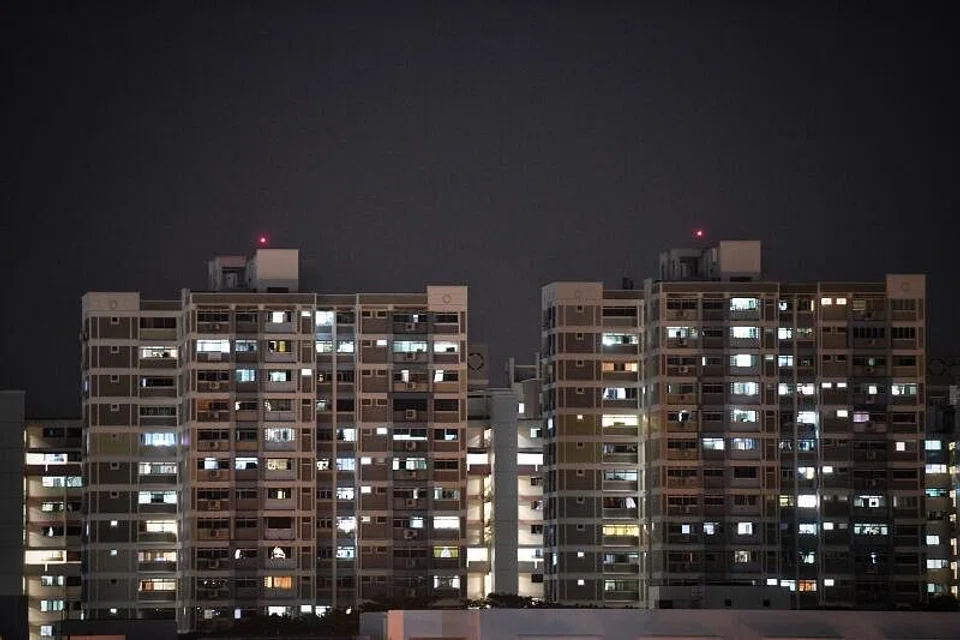
A MANIC year for Singapore's electricity sector - rattled by gas curbs and skyrocketing spot prices, and exacerbated by a global energy crisis - has turned into a wake-up call for the energy regulator.
Singapore's Energy Market Authority (EMA) is mulling tweaks to market rules, which could result in some semblance of price normalcy in the wholesale market in the event of a gas shortfall. The move may offer some comfort for electricity retailers, who have endured much pain since the second half of this year from extraordinary spikes in spot electricity prices. The volatile prices and inability to hedge risks on the local bourse's futures market drove 5 players to close shop.
"The (proposed) stronger regulatory controls are welcomed in a time of uncertainties. Left to market conditions, prices will continue to be pegged to externalities - making stabilisation challenging," said Singapore-based KPMG's power and utilities director Lim Wen Bin.
In a consultation paper released last week, EMA said it is seeking feedback on a proposal that requires power generators or generation companies (gencos) - when directed by EMA, the Power System Operator (PSO) - to submit energy offers for standby gas at a price that corresponds with the long run marginal cost (LRMC).
The LRMC reflects the "economically efficient cost" for a genco to produce and deliver electricity, based on various pricing structures prescribed by EMA.
KPMG's Lim said having standby gas that gencos can draw from, on top of their own contract fuel, will help alleviate potential gas shortfalls to meet overall demand. He added: "Requiring gencos to offer into the wholesale market at the LRMC... would also contribute towards reducing wholesale market price volatility."
Submissions for the consultation closed on Friday (Dec 10).
The proposal is also likely to appease some independent retailers. A key executive of one retailer said: "This could potentially be the game changer. The USEP could end up near the sustainable LRMC."
The USEP or uniform Singapore energy price reflects the real price of electricity and varies half-hourly depending on demand-supply dynamics in Singapore's wholesale market.
Michael Wong, chief operating officer of Singapore's leading genco Tuas Power, said: "I think this (proposal) is meant for emergency situations, when the EMA, as the PSO, expects a (gas) shortfall and the offers in the market may not be sufficient to meet demand. So, the EMA will trigger the usage of their standby gas and direct gencos to bridge the gap."
The main goal for tweaking the market rules is to ensure volumes, in terms of supply, can match demand, he added: "The (proposed) changes are driven by the need to ensure security of supply...it's not about the fuel price."
EMA on Monday (Dec 13) also announced a new temporary electricity contracting support scheme to support large businesses that are not able to obtain contracts because gas and electricity price volatility has limited retailers' abilities to offer fixed price contracts.
Price spike
When prices rose in the wholesale market this year, independent retailers had attributed the surge to unusual bidding behaviour by gencos. Some even accused gencos of being opportunistic by withholding spare capacity to "capitalise" on the gas curtailment events.
EMA had said back in October that no rules were breached in relation to July's spike, based on the findings of a key agency that surveils and investigates the conduct of market players to ensure fair play in the electricity sector here.
The USEP has continued to see wild swings since then due to surging electricity demand, gas curtailment from Indonesia and a tight global gas market.
Unusual periodic spikes were also led by tight supply as a result of several generation units tripping or being out on maintenance amid high demand. "We have observed this to be the case for the periodic price spikes seen this year as well. What is important is that prices normalise or recede once supply returns to normal, which is usually the case," said the Energy Market Company's (EMC) senior vice president of markets and operations Henry Gan.
Spot prices first started surging in late July, which coincided with a curtailment of natural gas supply piped from West Natuna, Indonesia following an incident at an upstream production facility. The periodic spikes continued in the ensuing months on the back of rising energy demand as activity clicked higher in the city state. It turned more pronounced as a result of a global gas shortage as demand outstripped supply ahead of the winter season in China and Europe.
In fact, just recently on Dec 2, USEP hit S$4,499 per MWh (megawatt hour) - the highest point so far this year - and averaged at S$1,960.36 per MWh at the daily level as the periodic supply cushion slid to as low as 5.4 per cent. A supply cushion of below 20 per cent signifies tight supply conditions.
Continued difficulties
Prices could continue to stay elevated for as long as there is a shortage of contracted gas and Singapore needs to procure at the margin from the spot liquefied natural gas (LNG) market, prices of which have hit the roof, to meet demand.
James Whistler, a global energy derivatives head of shipbroker Simpson Spence Young, expects electricity prices here to continue to be influenced by the global energy crisis. "Due to gas curtailments from Indonesia and Malaysia and sustained higher demand, Singapore has become reliant on importing expensive LNG on a spot price basis, and this has kept electricity prices higher than historic levels.
"While specific gas curtailments will not be a long term issue, the long-term gas contracts are up for renegotiation and will likely also link to global LNG prices in the future. So the challenge of more volatile gas prices will prevail," Whistler added.
Lim of KPMG expects Singapore regulators to step in to stabilise the energy market as "overly fluctuating energy prices can pose pressures to the economy".
Further consolidation could await Singapore's Open Electricity Market, which now has 9 retailers remaining. The 5 that shut down - iSwitch, Ohm Energy, Best Electricity, UGS Energy and SilverCloud Energy - collectively served 140,000 households and 11,000 business accounts.
Lim expects more market volatility for the next few quarters, adding: "It is too preliminary to predict the extent of consolidation - as it will depend on policy interventions by regulators, as well as whether liquidity does develop in the electricity futures market and spot prices over the coming quarters. However, we understand the market has deeper liquidity for contract cover from the third quarter of 2022 onwards."
He further cautions that innovation and service quality could take a backseat as market players focus on meeting stakeholder expectations and keeping their businesses steady amid the current volatile times.
"That said, the impact of this will likely be insignificant in the longer term. This is because as the stronger players consolidate their consumer base, they will begin to compete in areas other than price, with service quality and innovation among them."
READ MORE:
TRENDING NOW

Grab CEO’s wife Chloe Tong on life with Anthony Tan and finding her purpose
Canada is upping oil flows to Asia, but South-east Asia’s refineries aren’t ready to handle them yet
TRX and Labuan IBFC join forces to boost Malaysia’s regional financial ambitions

Crystal Jade Fine Dining faces charge for failing to file income tax return on time

