Commodities' sizzling summer may be fizzling
Slowing global economy, trade fights, geopolitical hostilities cited; but gold has been on a rally as risk elements click higher

Anita Gabriel
Singapore
COMMODITY prices have been on the sizzle lately but pundits expect the rally to run out of steam - except for bullion, which spectacularly scaled a 14-month high on Friday.
The factors: A slowing global economy, trade skirmishes and mounting geopolitical hostilities, which are continuing to hold markets captive.
Some signs of that are already evident.
Oil prices came off the boil on Friday. Crude benchmarks Brent and West Texas Intermediate (WTI) had surged by over 2 per cent the previous day on supply-squeeze concerns following the attacks on two tankers near the strategic Strait of Hormuz. Ratcheting up tension further in the highly volatile region is the US, which has blamed Iran for the attacks.
Vanguard Markets managing partner Stephen Innes said: "Oil's bounce by historical standards on the back of a rise in Middle East tension was tame. In the past, prices would have jumped 5 per cent or more."
That partly explains analysts' expectations that oil prices have more room to fall. They had already been slipping before the recent uptick, amid doubts of an extension in output cuts by OPEC (the Organization of the Petroleum Exporting Countries) and its allies. OPEC, Russia and other producers meet soon to decide whether to prolong their supply cuts, which have been supporting the commodity's prices.
Oanda's senior market analyst Alfonso Esparza said: "Russia is playing hard to get in signalling its commitment to an OPEC+ production-cut extension...losing one of the biggest non-OPEC producers could be the end not only of the pact, but could tear the group apart."
Rising US crude production and the US-China trade disputes, which could lower energy demand, are also weighing on oil.
But as the risk elements click higher, so too does the rush for gold. On Friday, the yellow metal lived up to its safe-haven label and surpassed the US$1,350 level while capping its fourth consecutive weekly gain on the rising probability of a rate hike by the US Federal Reserve.
OCBC Research said: "It appears increasingly that the question is now a matter of when, not whether, the Fed will cut rates."
Vanguard Markets' Mr Innes remarked: "Gold has the legs to run higher as it's still being considered a bit of a niche investment and seriously unowned by the broader risk community. The latest geopolitical events are amplifying trade-war risks. ... Everywhere you turn, someone is talking about a recession. That's very positive for gold."
But some don't expect a long-lasting glitter. Toby Wu, eToro's senior analyst, pointed out that although the current gold price is close to last year's high level, there is significant selling pressure near the $1,357 price level.
"At the same time, when the global economy enters a recession, the dollar will become a stronger safe-haven asset, and gold will also be under pressure as a commodity," he said. (Historically, the price of gold has had an inverse relationship with the greenback.)
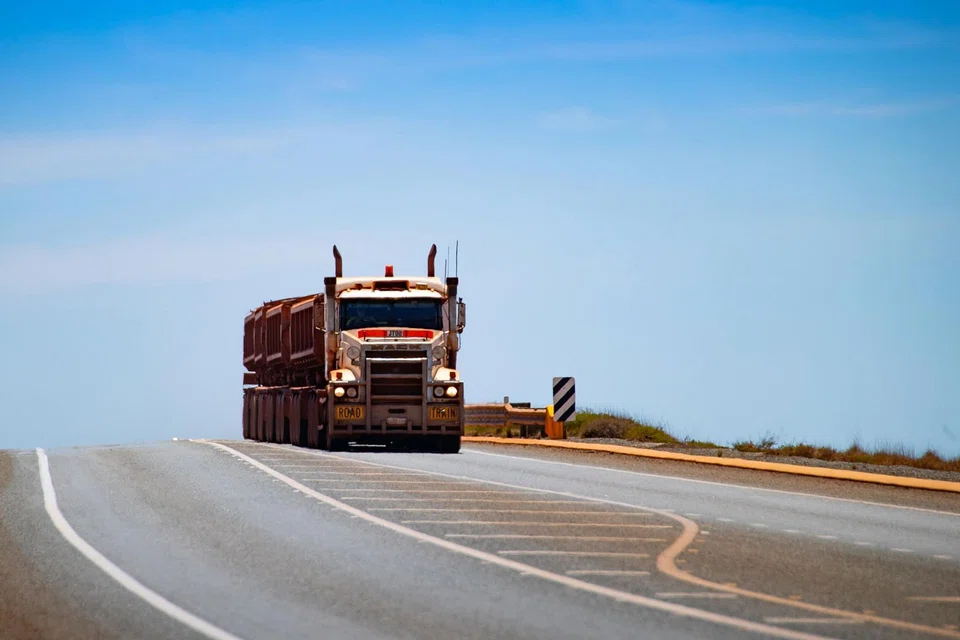
The prognosis on iron ore seems relatively easier to pin down. The metal staged a convincing (and surprising) bounce end-week after a bearish showing since end-May. That downdraught in the steel-making ingredient had prompted analysts to declare the iron ore bulls dead because of a combination of factors; this week's outing only proves that volatility may be the only thing that is certain.
The Platts Iron Ore Index, Iodex, jumped to US$110.20 a tonne, the highest since April 2014 and by more than 50 per cent since January. The spike was fuelled by worries of tightening supply after Rio Tinto surprised the market and said it would not be selling as much of its key high-grade Pilbara fines over the next two months.
Another boost came from China, which said this week that it would allow local governments to fund infrastructure investments with proceeds from special bonds, in a bid to support its slowing economy. This could drive demand for steel - and thus, iron ore - higher.
Even with that, the consensus remains that the iron ore rally is not sustainable; S&P Global Platts' Niki Wang said it is too early to say that the downstream demand could improve.
Lim Jin Ru of Phillip Futures is more optimistic: "I believe that the iron-ore rally will persist for quite some time as China's steel production has seemingly increased and the shortage in port inventories seems to be accelerating.
"Considering the escalation in trade tensions, the Chinese government is expected to implement further expansionary fiscal policies... The heightened demand and shortage in supply will definitely support the iron ore prices for quite some time."
Copyright SPH Media. All rights reserved.