

Global giants get boost as China expands clean energy access
Beijing
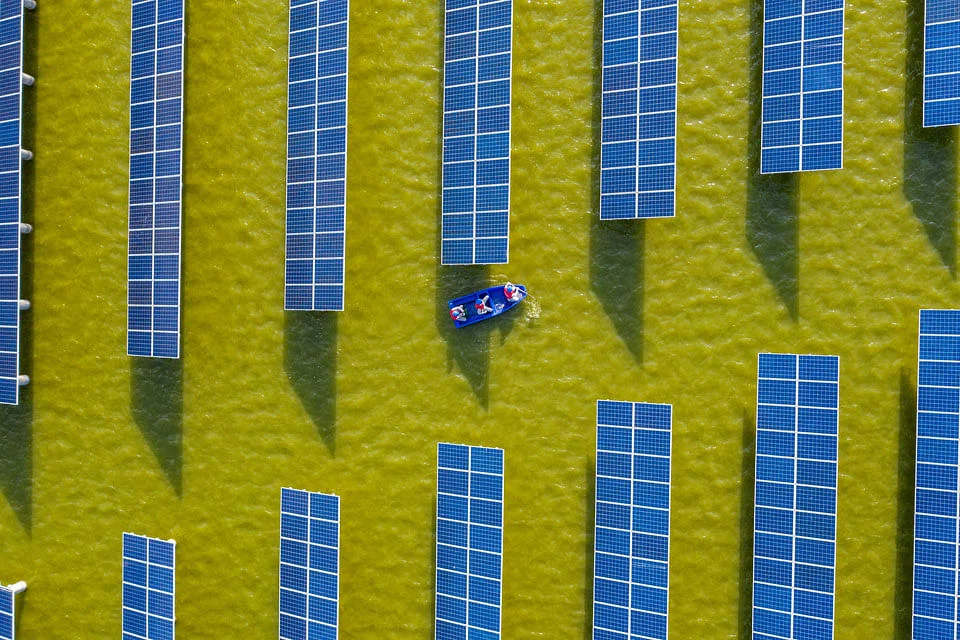
CHINA is opening up its market for trading green energy, making it easier for multinationals from BMW to Airbus to buy wind and solar power and reach aggressive emissions goals.
The country is significantly expanding green power trading centres that facilitate contracts between renewable energy companies and electricity users or distributors, the National Development and Reform Commission (NDRC) said last Tuesday, as part of moves to deepen reform of its power system across more provinces.
The changes in electricity trading will allow some power users "to take more social responsibilities" to trade directly with wind and solar power projects, with the profit used to support more green power development and production, the NDRC said.
China leads the world in renewable energy, but its electricity grid still runs mostly on coal.
During the trial run organised by State Grid Corp of China and China Southern Power Grid Co in the past few months, 259 green energy providers and users from 17 provinces traded 7,935 gigawatt-hours of clean electricity, said a press release by state news agency Xinhua.
'%3e%3cpath%20d='M12.1475%2025.5262C13.7713%2025.4295%2014.94%2023.913%2014.94%2021.8832C14.94%2019.5359%2013.474%2018.093%2011.5917%2018.093C11.3745%2018.093%2010.9582%2018.093%2010.8393%2018.1413V25.2086L11.8891%2025.5745C11.8891%2025.5745%2012.207%2025.5262%2012.1475%2025.5262ZM11.4934%2017.6281C13.2567%2017.6281%2014.3843%2016.4292%2014.3843%2014.4501C14.3843%2012.372%2013.275%2011.2973%2011.4339%2011.2973H10.8393V17.6305H11.4934V17.6281ZM6.66078%2025.6482L7.39265%2025.5492C8.02617%2025.4502%208.26403%2025.3053%208.26403%2025.1097V11.6149C8.26403%2011.4193%208.1451%2011.3709%207.23484%2011.249L6.68137%2011.173L6.6219%2010.7588H11.9508C15.7153%2010.7588%2017.0624%2012.0797%2017.0624%2014.1578C17.0624%2015.9666%2015.7748%2017.1909%2013.4969%2017.6305V17.7041C16.111%2017.948%2017.6571%2019.5382%2017.6571%2021.7636C17.6571%2024.3318%2015.8937%2026.0417%2012.1109%2026.0417H6.60132L6.66078%2025.6482Z'%20fill='%232B2B2B'/%3e%3cpath%20d='M20.6287%2025.6505L21.5596%2025.5515C22.1725%2025.4779%2022.4104%2025.3076%2022.4104%2025.112V11.249H21.9346C20.073%2011.3479%2018.982%2013.0095%2018.408%2014.6227L18.1907%2015.5018H17.6555L18.1701%2010.7588H29.3837L29.6421%2015.4787H29.1664L28.9491%2014.6227C28.3728%2012.8645%2027.3047%2011.2743%2025.5002%2011.249H24.9856V25.1856C24.9856%2025.3812%2025.1251%2025.4548%2025.9965%2025.5515L26.7695%2025.6505L26.829%2026.0417H20.5693L20.6287%2025.6505Z'%20fill='%232B2B2B'/%3e%3c/g%3e%3cdefs%3e%3cclipPath%20id='clip0_5242_21648'%3e%3crect%20width='24'%20height='16.8'%20fill='white'%20transform='translate(6%2010)'/%3e%3c/clipPath%3e%3c/defs%3e%3c/svg%3e)
CGN New Energy Holdings, the renewables unit of China General Nuclear Power Corp and a major supplier for the trial run, said it signed deals to provide wind and solar power for multinationals in the chemical and auto manufacturing sectors, including German chemicals giant BASF, SKF and Air Liquide.
China plans aggressive efforts to meet President Xi Jinping's goal of reaching carbon neutrality by 2060, but the availability of renewable power has been slow to spread throughout the country. That is particularly true in the more industrialised regions that lack the open spaces in western China for the deployment of massive wind and solar farms.
Green power procurement has picked up in recent years in a few wealthy coastal provinces including Guangdong and Zhejiang. However, many companies - including BMW, Michelin, Airbus and Siemens - have not had an opportunity to take part as their host cities or provinces have lacked a trading mechanism.
"Our companies find it very hard dealing with the government in getting some opening from the electricity market from local companies for purchasing green electricity, or having facilitation complying with carbon neutrality," said Guido D Giacconi, vice-president of the European Union Chamber of Commerce in China.
For those able to pen deals, one major drawback has been that the grid system is centralised and not transparent enough. The electricity can be a mix of sources, with no guarantee of how much is clean. The power trading markets seek to improve the situation.
Mr Giacconi said land discounts and subsidies are no longer the biggest investment attraction in China. "Guaranteeing the full transparency and supply of renewable energy is becoming a key lever for convincing multinationals to make investments," he said.
CGN New Energy plans to install an additional 4 gigawatts of unsubsidised wind and solar in northern and central China by the end of the year to meet the increasing demand from the green power trading, said Liu Jiapei, a director at the company's power trading unit. BLOOMBERG
Decoding Asia newsletter: your guide to navigating Asia in a new global order. Sign up here to get Decoding Asia newsletter. Delivered to your inbox. Free.
Share with us your feedback on BT's products and services
TRENDING NOW
Government to bring forward raising of retirement age, give employers more financial support to create flexi-load jobs
Former minister Maliki Osman, Revolut chairman join Asia Gulf Holdings advisory board

Is Manila Asia’s new dining hot spot?
Simba at risk of losing operating licence over spectrum misuse

