

Governments may need to shield consumers and firms from LNG prices

Singapore
DEMAND for energy is rising, even as Indonesia, a key supplier of natural gas which Singapore needs to generate electricity, is being hit by upstream gas-supply disruptions.
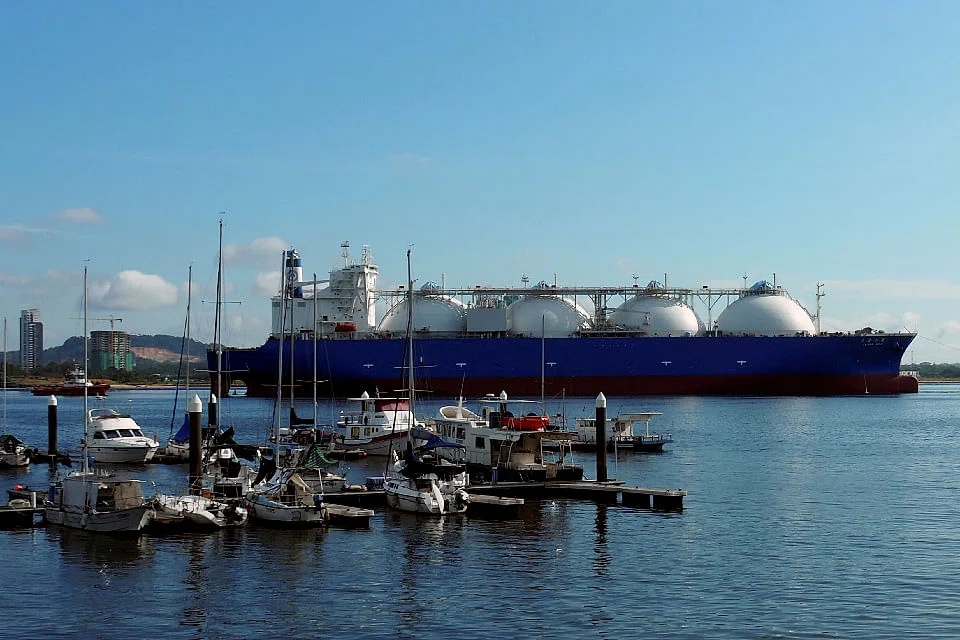
Amid this perfect storm, Singapore has been pushed into sourcing for more liquefied natural gas (LNG) supplies.
LNG prices have already hit a record high, with demand for it outstripping supply on the back of a global economic rebound from the pandemic. And in many parts of the world, this resource will be needed for heating in the approaching winter season.
Market watchers note that spillover effects of the global energy crisis in Asia have emerged, bringing dire consequences.
Energy prices are set to soar; Singapore has been beset by surging spot electricity prices since July. The higher wholesale prices have so far forced at least five electricity retailers in the residential and commercial segments out of business.
Jeffrey Moore, manager of S&P Global Platts' Asian LNG analytics division, said Asia is "net-short" of LNG, meaning that the region consumes more than it produces. This has led to a constant need to draw volumes into the region from the Middle East or Atlantic basin.
Referring to the Japan-Korea Marker (JKM), he said: "This has created a connection between European prices and JKM, as both regions try to source supplies economically."
JKM futures for December delivery on Nymex rose to US$34.89 per metric million British thermal units (mmBtu) on Tuesday. A year ago, the equivalent next-month contract was US$4.0668. Dutch TTF futures closed at US$30.713/mmBtu, against US$4.2269 a year ago.
Prices of the heating and power-generation fuel, which has both residential and commercial purposes, have been rising globally due to a combination of factors, such as a "synchronised surge" in global demand on the back of a recovery from the coronavirus pandemic, acute power supply shortages in China, and efforts to secure sufficient LNG volumes ahead of the coming winter.
Fitch Ratings' analysts for the Asia-Pacific note that the competition between Europe and Asia for LNG has also pushed up prices in both regions. Both benchmarks hit new highs this year; the JKM spot price shot past the US$50 per million Btu mark for the first time on Oct 6.
Singapore's electricity is 95 per cent powered by imported natural gas, so higher fuel prices, including for LNG, will send electricity prices in the city state up further.
Companies in the LNG space have experienced a boom in business.
In response to queries from The Business Times, a spokesperson for Pavilion Energy - one of the four LNG importers in Singapore - said the company has delivered above its customers' contracted quantities over the last three months as a "response to demand dynamics".
BT understands Pavilion Energy supplies roughly a third of Singapore's industrial gas demand.
Its spokesperson, saying that the company is working closely with the Energy Market Authority (EMA) on natural gas supplies for Singapore, added: "As a supplier of both piped and liquefied natural gas to Singapore, Pavilion Energy is committed to ensuring supplies are delivered into Singapore."
An ExxonMobil spokesperson said demand for LNG from Europe and Asia has been increasing with economic recovery from the Covid-19 pandemic, and stressed that the role of LNG will continue to be important as the demand for cleaner fuel is expected to rise particularly in the "critical areas of power generation and transportation".
In March, the EMA appointed ExxonMobil LNG Asia-Pacific and Sembcorp Fuels as new LNG importers for Singapore, adding to the imports by Pavilion Energy and Shell Eastern Trading.
The spokesperson for ExxonMobil said the LNG import licence builds on the company's existing business presence in Singapore, and that the group remains committed to providing reliable and competitive LNG supplies to its customers.
Market watchers believe gas prices are likely to remain high until the end of the winter heating season amid continuing economic recovery across Asia and Europe, and low levels of natural gas in European storage facilities.
A "material increase" in supply in the short-term is unlikely, they warned.
With higher prices, it will largely be up to governments and regulators to step in to shield consumers and businesses from the effects of higher prices, or some cost burdens will end up being passed to these two groups.
Peter Lee, senior oil and gas analyst at Fitch Solutions, said the current market dynamics are likely to drive governments to reassess their positions in domestic energy security. One way governments can do this, he said, is to further hedge against future volatilities by locking in more long-term deals, or building up additional storage capacities to improve access to LNG-alternatives such as renewables and hydrogen.
Sharad Somani, partner and head of infrastructure advisory at KPMG Singapore, went a step further to say that a longer-term solution is needed to cut countries' dependence on LNG.
He warned, however, that this could take at least a few years, given that renewable energy sources such as bio-energy, wind, solar and hydrogen, are still in "various stages of development and deployment".
"Collectively, countries also need to band together and consider approaches in which they can facilitate regional LNG procurement, storage and trading," he added.
For now at least, Somani said prices of energy to end-consumers are unlikely to keep rising in Singapore, because regulators will likely step in to moderate the unstable prices by making alternate fuel-sourcing arrangements.
TRENDING NOW

Singapore’s central gas buyer affirms Indonesia’s role as ‘important partner’ amid export review warning

Why the biggest business decision about AI isn’t which model to choose

Is Manila Asia’s new dining hot spot?

KKR founders among investors buying 42% of Peter Lim’s Valencia; club valued at US$1.4 billion

