Liberalisation of power retail market fuels trading surge in SGX futures

Singapore
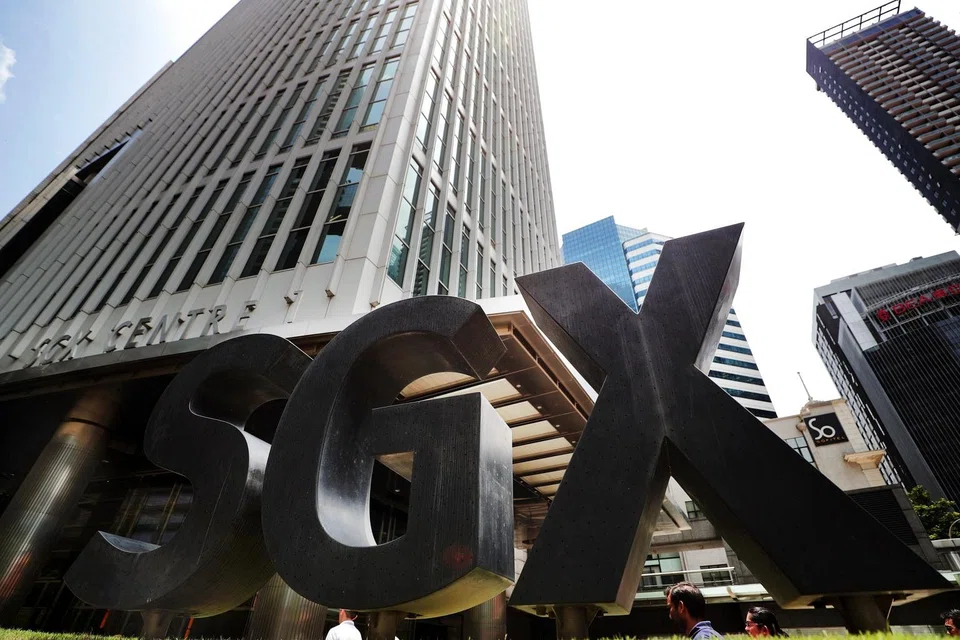
FOUR years after the Singapore Exchange (SGX) broke new ground with Asia's first electricity futures contract, trading in the instrument is sizzling - fuelled by the liberalisation of the power sector.
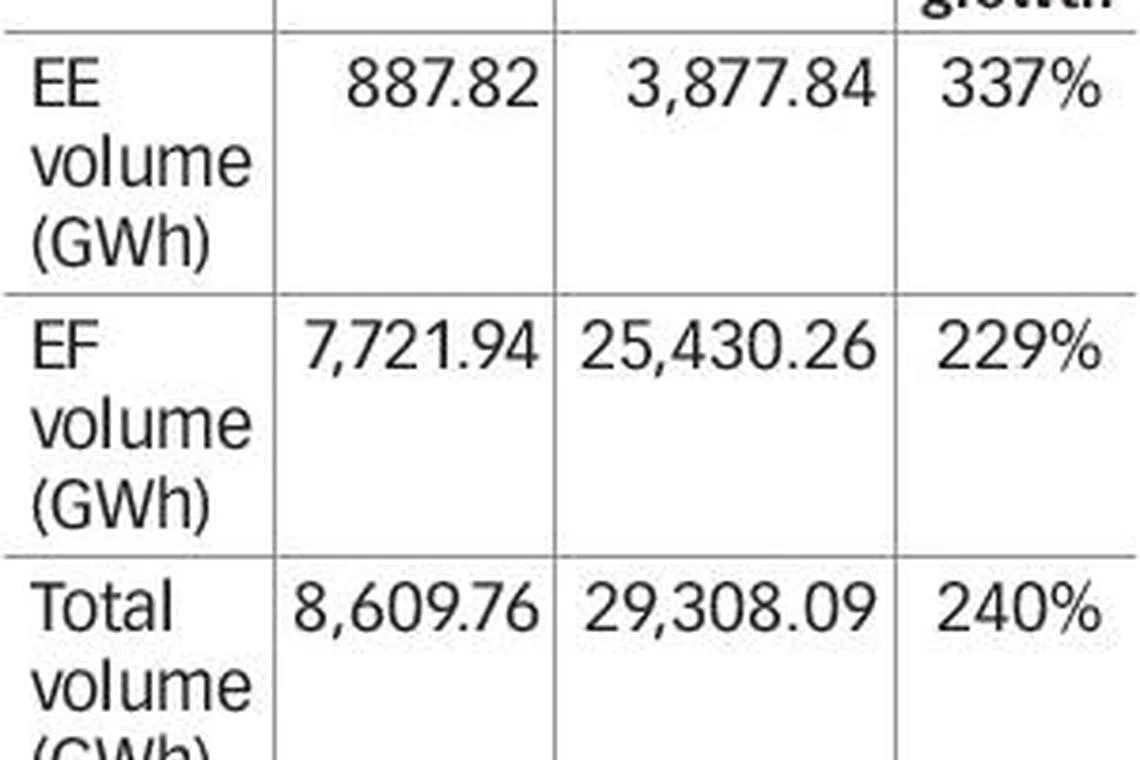
Trading volumes for the contract more than trebled in 2019 from a year ago to nearly 30,000 gigawatt hours, and SGX sees no let-up in activity this year.
According to data provided by SGX, activity in the monthly (EE) and quarterly (EF) electricity futures contracts jumped more than four and three times respectively last year from 2018.
A major force fuelling the trading surge has been the liberalisation of the power sector under the Open Electricity Market (OEM) that began in 2018 on a staggered basis and went full throttle, nationwide, last May.
Total volume for SGX's electricity futures contract soared 240 per cent to 29,308 GWh in 2019 - this represents some 60 per cent of the underlying spot market - from 8,609 GWh in 2018.
A big part of trading was led by the entry of more electricity retailers in Singapore's energy space as they turned to the futures market to manage price risks and lock in selling costs to consumers, with most residential consumers under the OEM having signed up for fixed-price offerings.
"This is a huge, huge growth for us. The liberalisation of Singapore's electricity market has helped grow liquidity and we continue to attract participation in the futures markets," SGX head of commodities William Chin told The Business Times.
For now, all six independent electricity retailers and five out of six "gentailers" use the futures contracts in varying degrees to hedge their risks, according to William Prajogo, SGX's product manager for electricity futures. Independent power retailers do not generate their own electricity while genco retailers or "gentailers" generate as well as sell power.
However, Mr Prajogo noted that only one out of the five gentailers is "actively using" such contracts to hedge its risks. As this group dominates the market share in Singapore's retail market, Mr Prajogo said there was much room for these big players to crank up their participation and "optimally" use the futures contracts to proactively manage electricity price risks.
"Now that we have achieved a certain level of liquidity, we want to push the gencos to participate in a bigger fashion as the products in the (futures) market are designed for them to manage their commercial and operational risks," Mr Chin said, adding that this is becoming more imperative with competition cranking up as the energy market evolves and profit margins tighten.
"Some big gencos today do not hedge. The importance of price risk management is not just a simple case of perfecting price and locking in margins. Beyond this basic stage, it allows a company to undertake more complex risk management strategies to optimise sales," he continued.
"The helicopter view is that electricity consumption and production are increasing. We have more electricity retailers offering more products which consumers can take advantage of, not just in terms of lower pricing but also innovative offerings.
"That's a very big plus for the market and in many ways, this only developed with the setting up of the electricity futures market here", Mr Chin said.
The electricity futures market was launched in April 2015 by industry regulator Energy Market Authority (EMA) in partnership with SGX to provide a platform for retailers to manage volatility and mitigate risks and in turn, enhance market competition.
This benefits consumers by putting downward pressure on prices.
Under Singapore's OEM, residential customers who have switched over from default provider SP Group to any of the 12 retailers are enjoying 20-30 per cent savings in their energy bills.
Mr Chin said: "The challenge now is for the (electricity) futures market to grow beyond the natural ceiling. We expect activity to continue to grow this year as it's hugely necessary for electricity retailers to manage risk."