

LNG growth to propel oil and gas industry's carbon emissions: Wood Mackenzie
 Add BT as a preferred source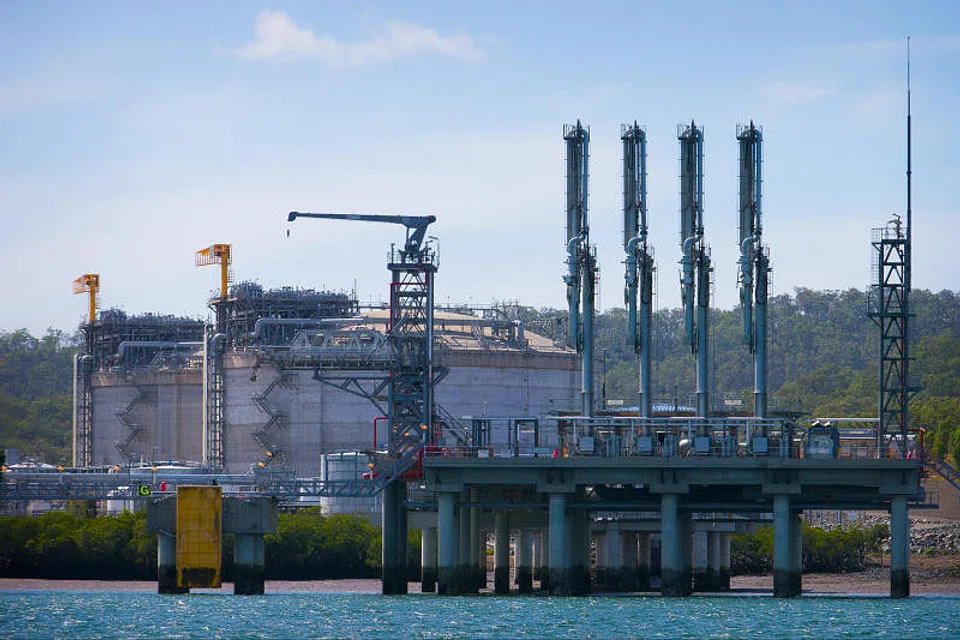
DeeperDive is a beta AI feature. Refer to full articles for the facts.
[LONDON] Liquefied natural gas (LNG) will be the biggest source of carbon emission growth for the world's top oil and gas companies by 2025, according to a new study by Wood Mackenzie, as demand for the super-chilled fuel is set to rise sharply.
Oil and gas companies such as ExxonMobil, Royal Dutch Shell and Total have promoted natural gas as a cleaner fossil fuel that will displace coal to meet growing demand for energy as the world shifts away from fossil fuels in the coming decades.
But converting natural gas into LNG by cooling it to minus 160 degrees Celsius in order to transport it to demand centres is a highly energy-intensive and therefore emission-intensive process, according to WoodMac analyst Amy Bowe.
Capping emissions of heat-trapping gases by the oil and gas industry has moved to the forefront of investors' agendas in the wake of the 2015 Paris climate agreement to limit global warming to below two degrees Celsius by the end of the century.
Companies are coming under growing pressure to tackle emissions from flaring excess gas at oil fields as well as limiting the emissions of methane, a highly potent greenhouse gas, from pipelines and LNG terminals.
The Edinburgh oil and gas industry consultancy said in a study that emissions from oil and gas production operations of 25 of the world's top energy companies are nevertheless expected to rise by 17 per cent by 2025.
Navigate Asia in
a new global order
Get the insights delivered to your inbox.
Fossil fuel output will increase by 15 per cent over the same period.
Emissions resulting from LNG production are forecast to grow by 43 per cent over the period compared with a 22 per cent increase in supply, "representing the largest absolute increase in emissions", according to the report.
Around 10 per cent of gas processed by an LNG terminal is lost into the atmosphere, Ms Bowe said.
"If you look at the emissions produced just through the extraction and production of it, LNG is more emissions-intensive than pipeline gas and that is largely due to the liquefaction process," Ms Bowe told Reuters.
REUTERS
Share with us your feedback on BT's products and services
TRENDING NOW

Shelving S$5 billion office redevelopment plan proved ‘wise’ as geopolitical risks mount: OCBC chairman

OCBC is said to emerge as lead bidder for HSBC Indonesia assets

Middle East-linked energy supply shocks put Asean Power Grid back in focus

Eurokars Group introduces rental car franchises Enterprise Rent-A-Car, National Car Rental, and Alamo to Singapore

