

Malaysia to scrap subsidies for some cooking oil products
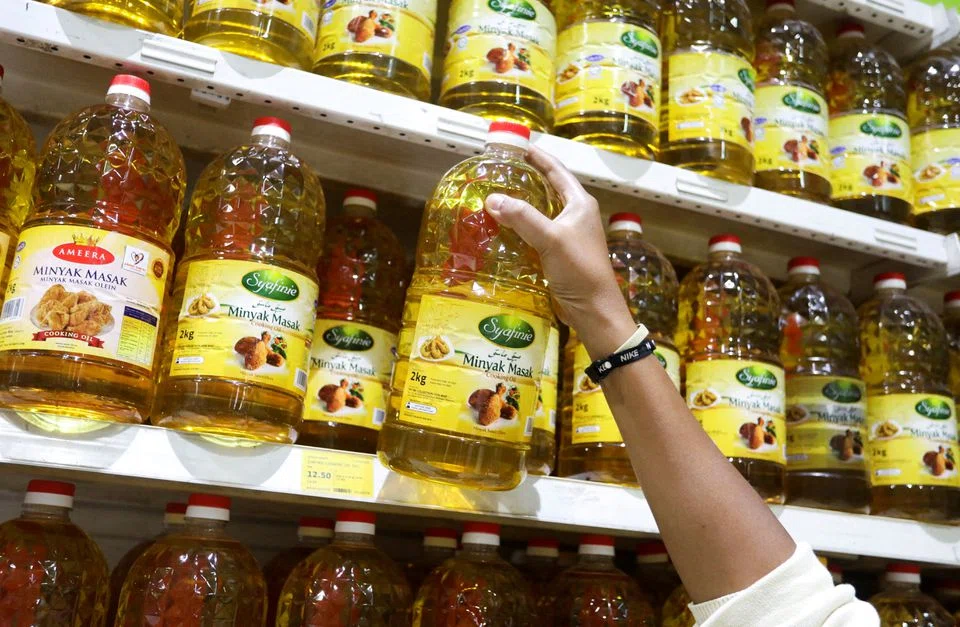
MALAYSIA will abolish subsidies for certain cooking oil products from Jul 1, its government announced on Tuesday (Jun 21), in what it said was a move to ensure domestic supply and stabilise prices.
The world's second largest palm oil producer will lift the subsidies for 2 kg (4.4 lb), 3 kg and 5 kg cooking oil bottles, which were introduced last year, but will continue subsidising 1 kg packets.
Malaysia will also lift ceiling prices for chicken and eggs from July, said Alexander Nanta Linggi, the Minister of Domestic Trade and Consumer Affairs.
"This move is to ensure a more stable supply of food in the market and in the long run, more stabilised prices," he said in a statement, adding price controls had resulted in market and price distortion.
Prices of global edible oils, including the widely consumed palm oil, have rallied to record highs this year due to supply disruption caused by adverse weather, labour shortages and Russia's invasion of key sunflower oil exporter Ukraine.
Top palm oil producers Indonesia and Malaysia have placed varying subsidies on cooking oils to help control soaring prices and the rising cost of living.
Earlier this month, Malaysia said an increase in government revenue from rising commodity prices was insufficient to offset an expected spike in subsidy spending this year.
It expects to spend 30 billion ringgit (S$9.5 billion) on subsidies compared to 4 billion ringgit estimated in this year's budget. REUTERS
Decoding Asia newsletter: your guide to navigating Asia in a new global order. Sign up here to get Decoding Asia newsletter. Delivered to your inbox. Free.
Share with us your feedback on BT's products and services
TRENDING NOW

‘My grandfather’s legacy’: Sherman Kwek lays out three-year plan for CDL to drive returns

He built the Vingroup empire. Now South-east Asia’s richest man is handing some key roles to his sons

Canada is upping oil flows to Asia, but South-east Asia’s refineries aren’t ready to handle them yet

Deal between tycoon friends sparks scrutiny of Philippine power sector

