

Oil eases as weak Asian data, more lockdowns dampen demand hopes
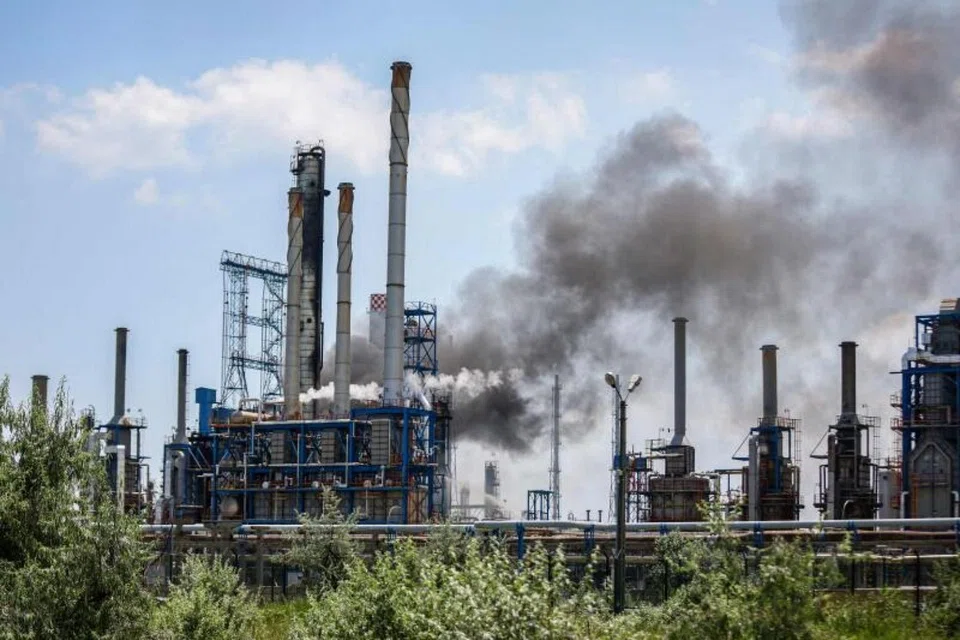
[NEW YORK] Oil prices weakened for a fourth session on Tuesday due to a strong dollar and as surging cases of coronavirus in Japan added to a weak demand picture in Asia.
Brent crude ended the session down 48 cents, or 0.7 per cent, at US$69.03 per barrel, while US West Intermediate crude (WTI) settled 70 cents, or 1 per cent, lower at US$66.59 a barrel.
The dollar advanced for a second straight session on Tuesday, bolstered by safe-haven demand. A strong dollar makes oil more expensive for holders of other currencies.
Prices extended losses in post-settlement trade after data from American Petroleum Institute showed US crude stocks dropped largely in line with expectations last week, market sources said.
"We continue to see US$65 support in WTI, but less forceful rebounds that see sellers pour in earlier," said Craig Erlam, senior market analyst at Oanda.
"A move below here would be a significant technical breakout and surely reflect serious concerns about growth in the coming months as Delta (coronavirus variant) causes increasing restrictions around the world."
Japan, the world's third-largest economy, extended its state of emergency in Tokyo and other regions on Tuesday and announced new measures covering seven more prefectures to counter a spike in Covid-19 infections that is threatening the medical system.
Hedge funds and money managers cut net long positions in US crude to the lowest since November in the week to Aug 10 as resurgent coronavirus infections in several countries dampened hopes of a rapid resumption in long-distance air travel.
"The oil market will likely require a distinct downtrend in the virus that will allow China to reopen its economy," said Jim Ritterbusch, president of Ritterbusch and Associates in Galena, Illinois.
This would permit the energy market to establish support and stem the number of bullish positions being unwound, he said.
Daily crude processing in China, the world's biggest oil importer, fell to its lowest in July since May 2020 as independent plants slashed production amid tighter quotas, high inventories and weakening profits, data showed on Monday.
China's factory output and retail sales growth also slowed sharply and missed expectations in July, as new Covid-19 outbreaks and floods disrupted businesses.
On the supply side, US shale oil output is expected to rise to 8.1 million barrels per day (bpd) in September, the highest since April 2020, according to government data on Monday.
Last week, US President Joe Biden's administration urged Opec+, which groups members of the Organization of the Petroleum Exporting Countries and other producers such as Russia, to boost oil output to tackle rising gasoline prices.
But four sources told Reuters on Monday that the group believes oil markets do not need more crude than they plan to release in the coming months.
REUTERS
Decoding Asia newsletter: your guide to navigating Asia in a new global order. Sign up here to get Decoding Asia newsletter. Delivered to your inbox. Free.
Share with us your feedback on BT's products and services
TRENDING NOW
Singapore expects all parties to honour commitments, says PM Wong after Indonesia cuts gas exports

China’s US$3.5 trillion stock rout deepens as profits sink, major stimulus stays elusive
Gas supply cut from Indonesia accounts for less than 2% of Singapore’s daily gas demand: EMA

Singapore’s central gas buyer affirms Indonesia’s role as ‘important partner’ amid export review warning

