

Oil falls on dim Opec demand outlook, pares gains from Gulf of Mexico storm
 Add BT as a preferred source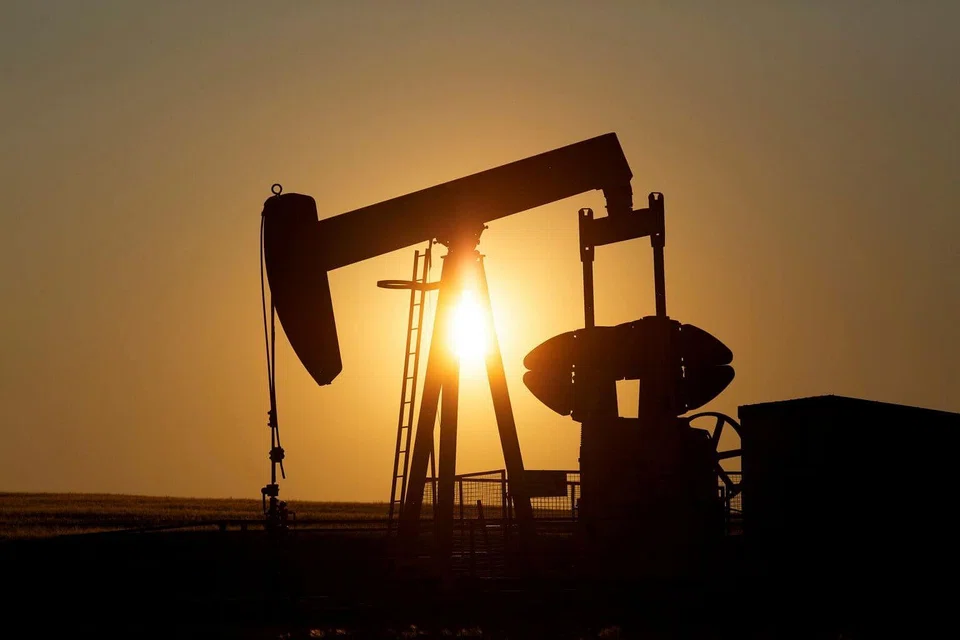
DeeperDive is a beta AI feature. Refer to full articles for the facts.
[NEW YORK] Oil prices fell on Thursday as Opec forecast slower demand for its crude next year, with crude futures easing from their highest in more than a month after US producers cut about half of their output in the Gulf of Mexico ahead of what could be one of the first major storms of the Atlantic hurricane.
Brent crude futures fell 49 cents to settle at US$66.52 a barrel. During the session, they hit their highest since May 30 at US$67.65 a barrel.
US West Texas Intermediate (WTI) crude futures fell 23 cents to settle at US$60.20 a barrel, after hitting their highest since May 23 at US$60.94.
Oil firms shut more than 1 million barrels per day of oil production, 53 per cent of Gulf of Mexico's output, as Tropical Storm Barry intensified on Thursday.
Phillips 66 said it expected to complete the closing of its 253,600-bpd Alliance, Louisiana, refinery because of the storm threat.
The storm, which could become a hurricane this week, was on a path through the north central Gulf of Mexico.
Navigate Asia in
a new global order
Get the insights delivered to your inbox.
"Every storm is different," said Phil Flynn, an analyst at Price Futures Group in Chicago. "There are still a lot of questions to be answered, whether it's going to do damage to the supply side or going to do more damage to the demand side."
The Organization of the Petroleum Exporting Countries gave its first 2020 forecasts in a monthly report, saying the world would need 29.27 million bpd of crude from its 14 members next year, down 1.34 million bpd from this year.
The forecast points to the return of a surplus despite an Opec-led pact to restrain supplies, and was seen as a drag on prices.
Investors also eyed tensions in the Middle East. A day after Iran warned Britain would face "consequences" over the seizure of an Iranian oil tanker, three Iranian vessels tried to block passage of a British ship run by BP through the Strait of Hormuz, the British government said. They withdrew after warnings from a British warship.
"We will note that this muted response to occasional events in the Middle East is a result of the sizable amount of unused Saudi production capacity and ample global crude supplies that were further underscored in today's monthly Opec report," Jim Ritterbusch of Ritterbusch and Associates said in a note.
REUTERS
Share with us your feedback on BT's products and services
TRENDING NOW

Shelving S$5 billion office redevelopment plan proved ‘wise’ as geopolitical risks mount: OCBC chairman

Why where you park your joint venture matters: Lessons from a US$689 million shareholder dispute

China pips the US if Asean is forced to choose, but analysts warn against reading it like a sports result

Singaporeans can now buy record amount of yen per Singdollar

