Russia is working to create own price benchmarks for commodities
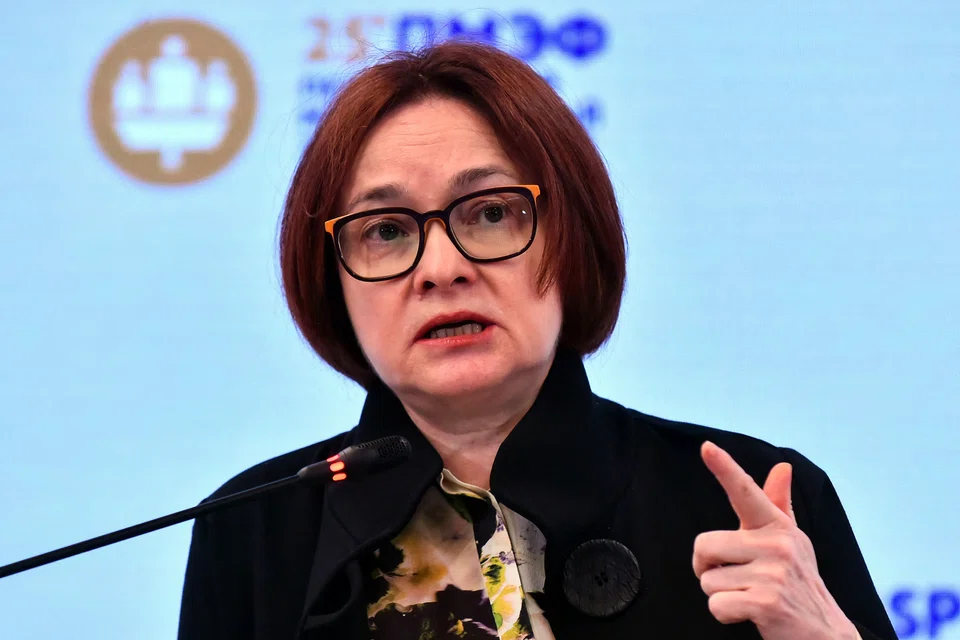
RUSSIA’S central bank is working with the government to create national price benchmarks for a range of commodities, according to Governor Elvira Nabiullina.
“It’s very important to launch such indexes,” Nabiullina told reporters at the news conference Friday (Jul 22). “First of all, that refers to commodities” but can also apply to “any traded goods”.
The push to establish Russian benchmarks for key raw materials comes as the country’s exports have been targeted by Western sanctions over the invasion of Ukraine. One of the possible trade restrictions - an oil price cap proposed by the Group of Seven - would result in Moscow refusing any petroleum sales to those countries, Nabiullina said.
The plan for a national oil benchmark, which was first reported by Bloomberg, would come after the launch of a national trading platform where foreign partners could buy Russian oil. Once sufficient trading volumes were established, a local benchmark would be created between March and July 2023, according to a document seen by Bloomberg.
Moscow has been trying to create its own oil benchmark for more than a decade, but its ambitions have intensified since the invasion of Ukraine. If the G7 were to go ahead with its plan to curb Russian oil revenue with a price cap, that would lead to a spike in global prices, Nabiullina said.
“As far as I can understand, we will not supply oil to countries that would impose such price limits,” Nabiullina said. “We will redirect our crude and oil products to those nations that are ready to cooperate with us.”

Earlier this week, Russia’s Deputy Prime Minister Alexander Novak, who oversees the oil industry, said that the nation won’t export oil if a global price cap is set below production costs, because it would be unacceptable for the industry to operate at a loss. BLOOMBERG
Decoding Asia newsletter: your guide to navigating Asia in a new global order. Sign up here to get Decoding Asia newsletter. Delivered to your inbox. Free.
Share with us your feedback on BT's products and services