

Thai rice exporters cut 2020 forecast to lowest in 20 years
 Add BT as a preferred source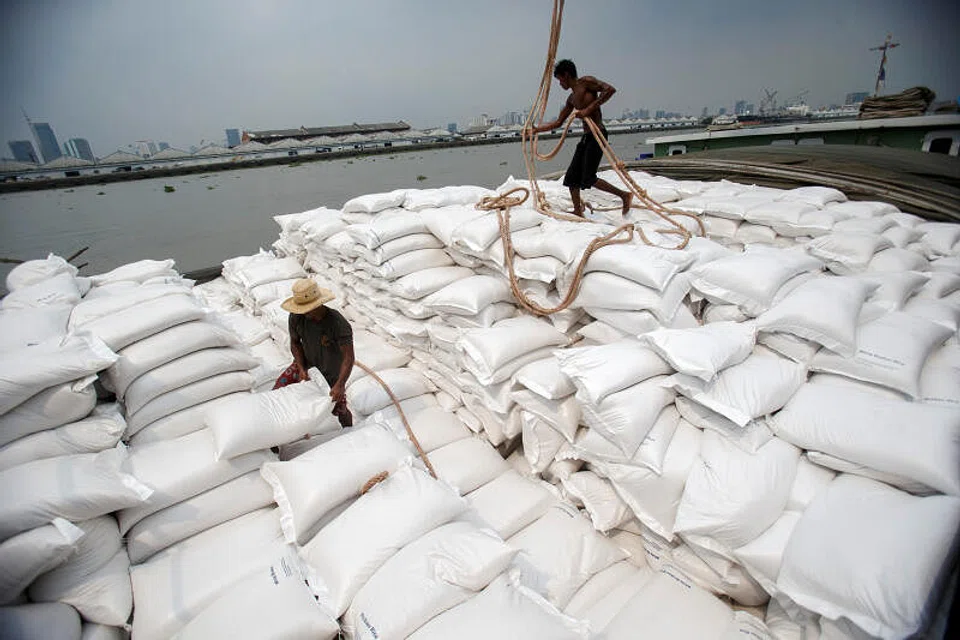
DeeperDive is a beta AI feature. Refer to full articles for the facts.
[BANGKOK] Thailand's rice exporters association has slashed its forecast for 2020 exports to 6.5 million tonnes, the lowest volume in two decades, owing to drought and a strong baht currency, its executives said on Wednesday.
The industry group's latest forecast for Thailand, the world's second-largest rice exporter last year, is lower than its previous expectation of a seven-year low of 7.5 million tonnes for 2020.
The association attributed that to a persistently strong baht compared to other currencies and drought cutting Thai rice output by five million tonnes this production season, making prices higher and uncompetitive.
"The new forecast of 6.5 million tonnes is the lowest volume in 20 years," said Chookiat Ophaswongse, honorary president of the Thai Rice Exporters Association, adding the previous low was 6.15 million tonnes in 2000.
"This year will be a struggle."
From January to June, Thailand exported 3.14 million tonnes of rice, about a third less than the same period last year, the association's data showed, less than India's 4.53 million tonnes and the 4.04 million tonnes shipped by Vietnam.
Navigate Asia in
a new global order
Get the insights delivered to your inbox.
Thailand's gains from India halting logistics during lockdown and Vietnam temporarily banning new contracts to ensure domestic supply amid the coronavirus crisis would be short lived, and balanced out by flat demand, said Charoen Laothamatas, the association's president.
"Covid-19 has made the market volatile, making importers buy more than usual earlier to stock up, but now they won't need to for a while," he said.
Sales of Thai premium-grade jasmine rice have risen by 63 per cent this year, benefiting from panic-buying in wealthier markets like Singapore, Hong Kong, the United States and Canada.
Meanwhile, lower purchasing power globally has seen Thai white rice lose out to cheaper grades offered by Vietnam in key Asian markets like the Philippines.
China, once a Thai rice importer, was also beating Thailand in key African markets with cheaper prices.
REUTERS
Decoding Asia newsletter: your guide to navigating Asia in a new global order. Sign up here to get Decoding Asia newsletter. Delivered to your inbox. Free.
Share with us your feedback on BT's products and services
TRENDING NOW

From 1MDB to ‘corporate mafia’: Is Malaysia facing a new governance test?

Higher costs, lower returns: Why are Singaporeans still betting on real estate?
South-east Asian markets account for 8.8% of global capital inflows from 2021 to 2024: report

Richard Eu on how core values, customers keep Singapore’s TCM chain Eu Yan Sang relevant

