African carbon project hit by ‘blood carbon’ allegations; Singapore’s carbon marketplace assessing situation

Wong Pei Ting
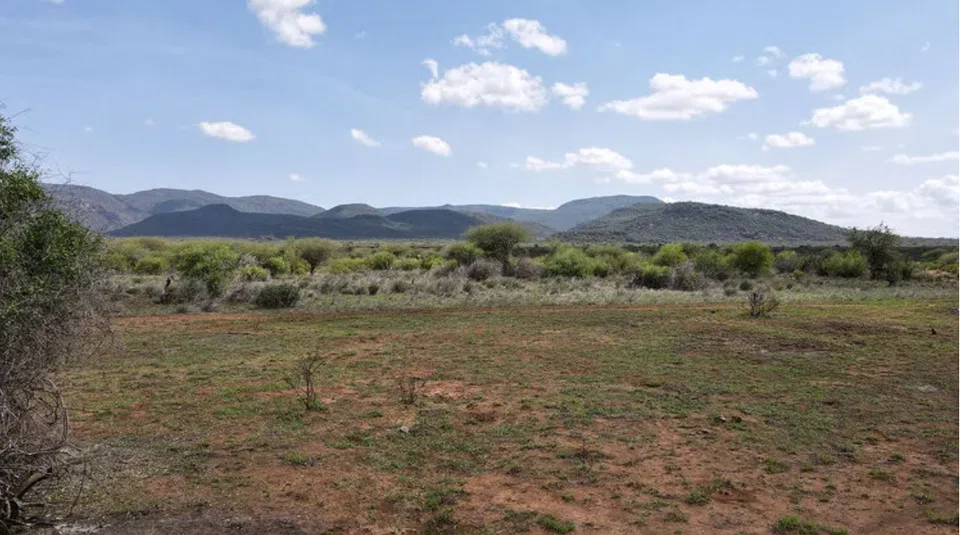
CARBON credits from a project in Africa, which had been lined up for auction at the Singapore-based global carbon marketplace, have been tarred by allegations of having less-positive outcomes for the environment and communities than claimed.
Climate Impact X (CIX), the global carbon marketplace, is thus working to gather the facts before determining the next steps it will take.
Meanwhile, carbon offset certifier Verra has suspended the issuance of credits from the project in question – the Northern Kenya Rangelands Carbon Project – while a “quality control review” is underway.
The project, dubbed the world’s largest soil carbon project, claims to have the potential to remove 50 million tonnes of carbon dioxide from the atmosphere over its 30-year lifetime, by restoring grassland across almost two million hectares of community-managed rangeland under improved grazing practices in northern Kenya.
CIX, jointly established by DBS, the Singapore Exchange, Standard Chartered and Temasek, had associated with it last June, through a partnership with Respira International to auction off credits from this project and two others. A joint statement issued at that time noted that 70 per cent of revenues from the project would be paid to local communities during its operating life.
But human rights organisation Survival International last week slammed the project as being party to “blood carbon” – making millions from “breaking down” indigenous people’s traditional grazing systems and replacing these with a centrally controlled system more akin to commercial ranching.
The Kenya-based conservation group Northern Rangelands Trust (NRT) is running the project.
Survival International’s 74-page report referenced research which found “wholly unconvincing evidence” that NRT had properly informed communities about the project, let alone received their free, prior or informed consent.
The report, noting that information on the project had been limited to a few people, also raised “serious questions” relating to the legal basis of the project, in particular NRT’s right to “own” and trade carbon from the lands concerned.
Yet, the project could generate around US$300 million to US$500 million or more, the report highlighted.
In its statement to The Business Times (BT), CIX said it is aware of the report and is working with Respira, which buys the credits for auctioning, and the project developer to understand the facts before determining what it will do next.
“We will share more once further information is known,” it added.
Addressing its due diligence processes, CIX said it curates verified projects by undertaking a first cut based on its listing requirements. Projects are vetted through an internal quality screening process and calibrated against third-party ratings, it said.
“We help businesses that do not yet have the resources or expertise to perform a complete due diligence in-house, to understand complex and fast-evolving carbon markets,” it added.
CIX, which aims to scale the voluntary carbon market, stressed that “trust underpins everything we do”. Therefore, it reviews its curation process regularly to reflect market developments and ensure ongoing integrity.
Respira, in comments to BT, noted that Survival International’s report is part of a “long-standing campaign” against the project, and stated its support for the project.
Noting that an independent investigation into previous human rights allegations similar to those aired in Survival International’s report found no evidence to support them, it said: “We are proud of this project.
“This is a pioneering soil carbon project, the world’s largest, which is positively impacting the lives of over 100,000 indigenous community members in northern Kenya.”
Kenyan president William Ruto has described the project as “exemplary”, it noted.
Nevertheless, Respira said it takes the issues raised in the report “very seriously”, and is coordinating with the project and its developer to understand the facts. “We will communicate more on this particular matter shortly,” it said.