

Catalytic capital is key to emerging markets badly in need of decarbonisation funding
Managers are courting catalytic capital – investment willing to accept a lower return – so as to bring more investors to the table

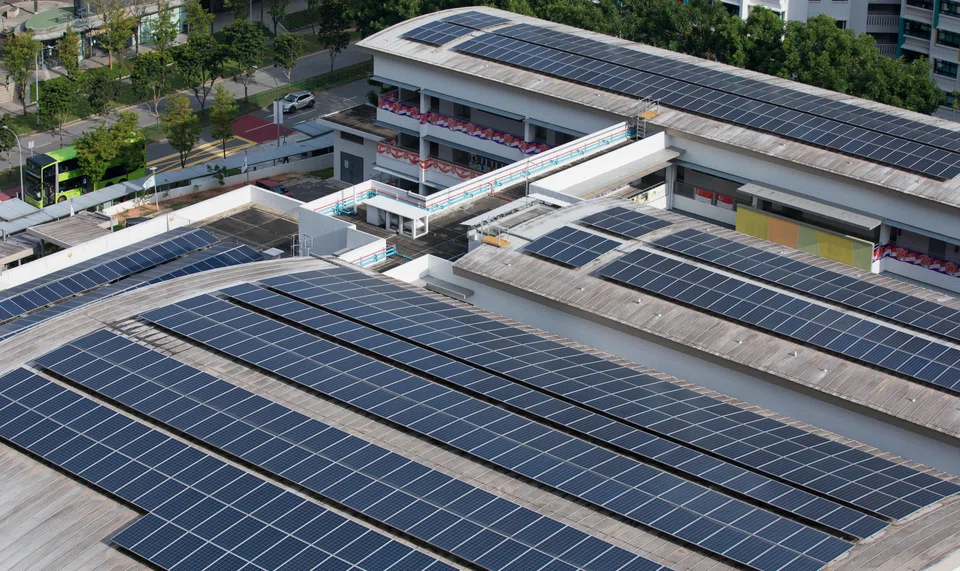
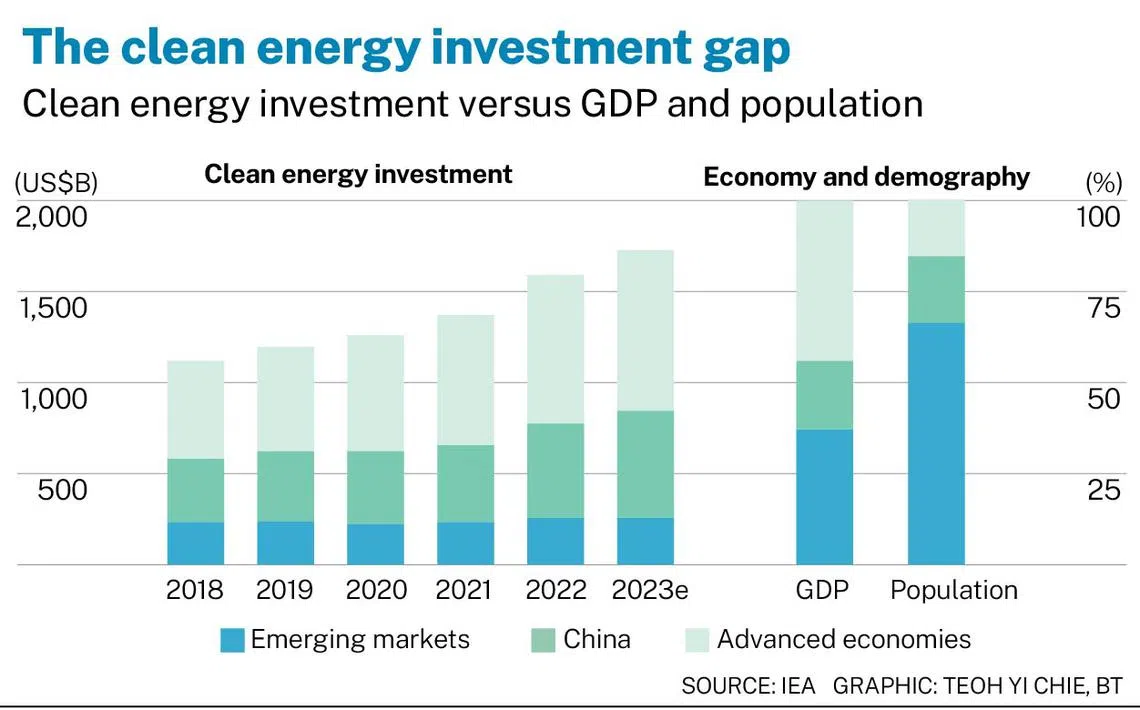
BILLIONS of dollars are being raised to build solar plants and wind farms, but capital is flowing to where returns are highest – not where needs are greatest.
Catalytic capital is crucial to stemming this flow, and some market players say investors with lofty goals may be better off taking a commercial stance over a developmental one.
“A lot of people are investing in decarbonisation, but focused less on emerging markets because a lot of the time they carry more risk,” said Luke Edwards, managing director at Brookfield Asset Management’s renewable power and transition group.
Brookfield, one of the world’s largest asset managers in the renewables space, began raising money for its Catalytic Transition Fund in June this year.
It announced a first close at US$2.4 billion on Tuesday (Sep 24), and is eyeing up to US$5 billion for the emerging markets-focused clean energy and transition fund.
Should it achieve that, the Catalytic Transition Fund will be the world’s largest such fund. Most decarbonisation infrastructure funds have a global mandate.
Actis, a sustainable infrastructure investment specialist, in 2021 raised US$4.7 billion for a renewable energy fund that will allocate capital globally.
AP Moller Group, which is behind European shipping giant AP Moller-Maersk, is targeting US$1 billion for its emerging markets infrastructure fund focused on transport and renewable energy.
One problem with emerging markets infrastructure, Edwards said, is that regulatory frameworks may not be as advanced.
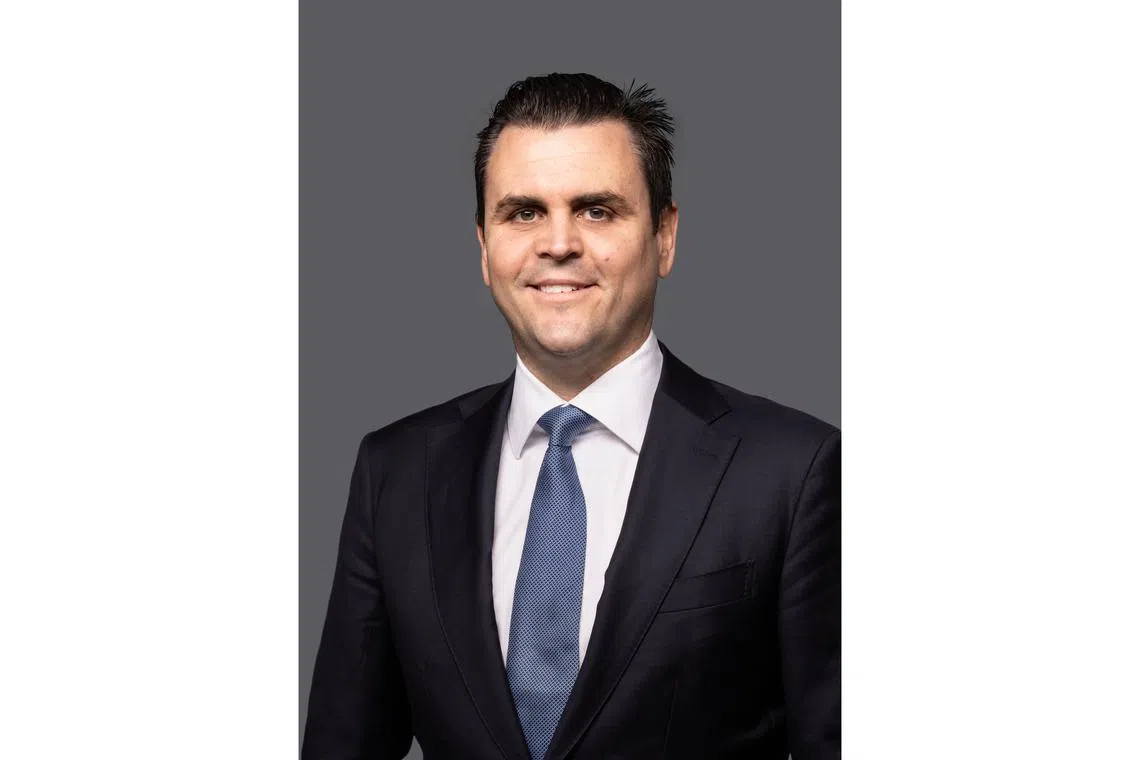
Regulatory uncertainty can make investors nervous about future returns. “It’s very hard to find the right pool of investors,” he added.
Brookfield has been fortunate to secure a commitment of US$1 billion from Alterra, a private investment vehicle launched by the United Arab Emirates at last year’s United Nations Climate Change Conference.
Alterra has agreed to a capped return, leaving more money on the table for other investors in the fund. “That’s really important,” Edwards said.
At the announcement of its first close, Brookfield said it had also secured commitments from Singapore state investors GIC and Temasek, Canadian pension fund manager CDPQ, and insurer Prudential.
Small push needed
There is no shortage of investor demand for energy-transition opportunities; rather, it is risk tolerance that is in short supply.
Lee Moscovitch, partner at Schroders Greencoat – an asset manager specialising in renewable energy infrastructure – said that in the renewables and energy transition space, the technologies are proven.
“Projects should be very bankable,” he said, although he believes catalytic capital from Asian sovereign wealth funds taking an equity position in projects and underwriting developer risk would help assure investors.
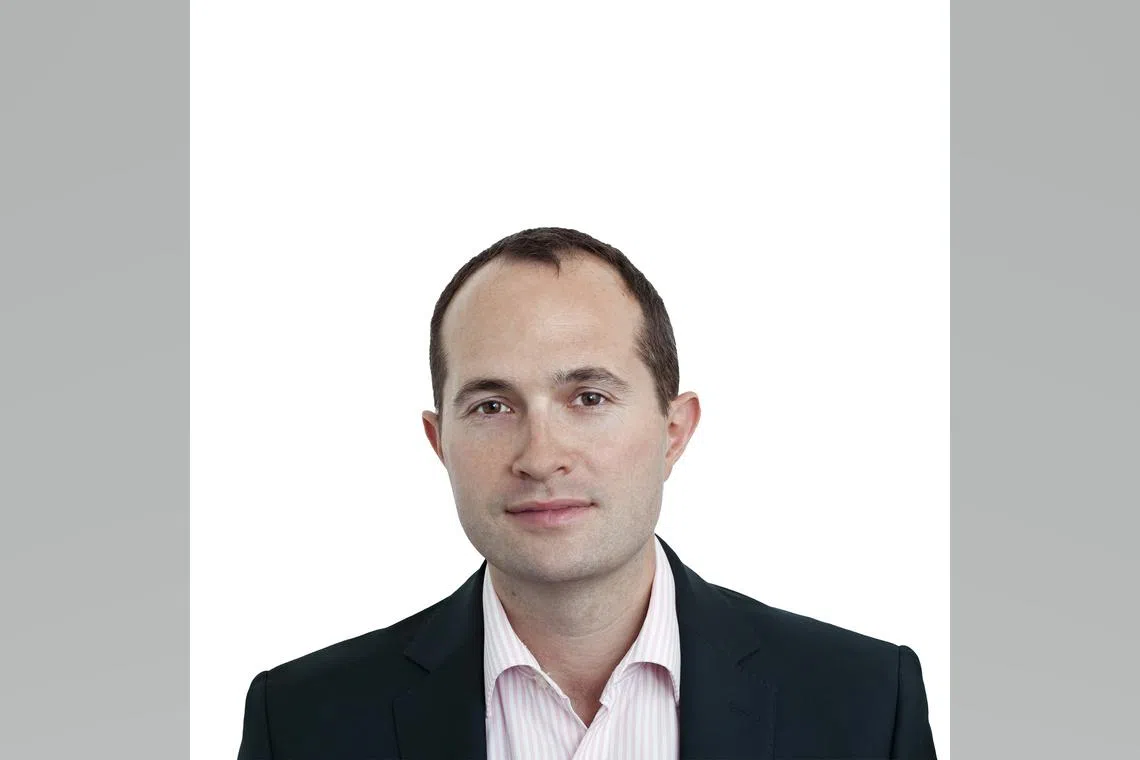
James Chern, managing partner and chief investment officer at infrastructure-focused asset manager Seraya Partners, said there is broad interest globally in energy-transition infrastructure.
There is “more capital available to invest than there are high-quality projects”, he said, adding that dry powder is near record levels because “only a limited number of projects are deemed investable”.
Geopolitical uncertainty is another concern. “It can affect investors’ confidence in deploying capital into Asia, as they may choose to prioritise their domestic markets instead,” Chern said.
Emerging markets are badly in need of decarbonisation funding, as the International Energy Agency estimates they generate 72 per cent of global emissions.
These markets attract just a fraction of private investments, though, because the risk-reward ratio is far less attractive. Deal sizes are small and markets disparate, creating diseconomies of scale.
Managers are courting catalytic capital – investment willing to accept a lower return so as to bring more investors to the table – but face several challenges.
“The number of catalytic transition funds that are operating in emerging markets is quite high. The number of people wanting to invest catalytic capital is very high,” Brookfield’s Edwards said. “The big problem is there’s not a lot of volume with catalytic capital.”
Investors with the firepower, meanwhile, may not have the right teams to assess the opportunities. “Every time there’s a new deal... they have to work through it,” he added.
Commercial approaches win
Edwards believes one good way to unlock such capital is for catalytic investors to use professional managers with the commercial expertise to assess deals – as Alterra has done with Brookfield.
Entrusting capital to a professional manager means allowing someone else to make decisions over capital deployment – something managers of catalytic capital may not be used to.
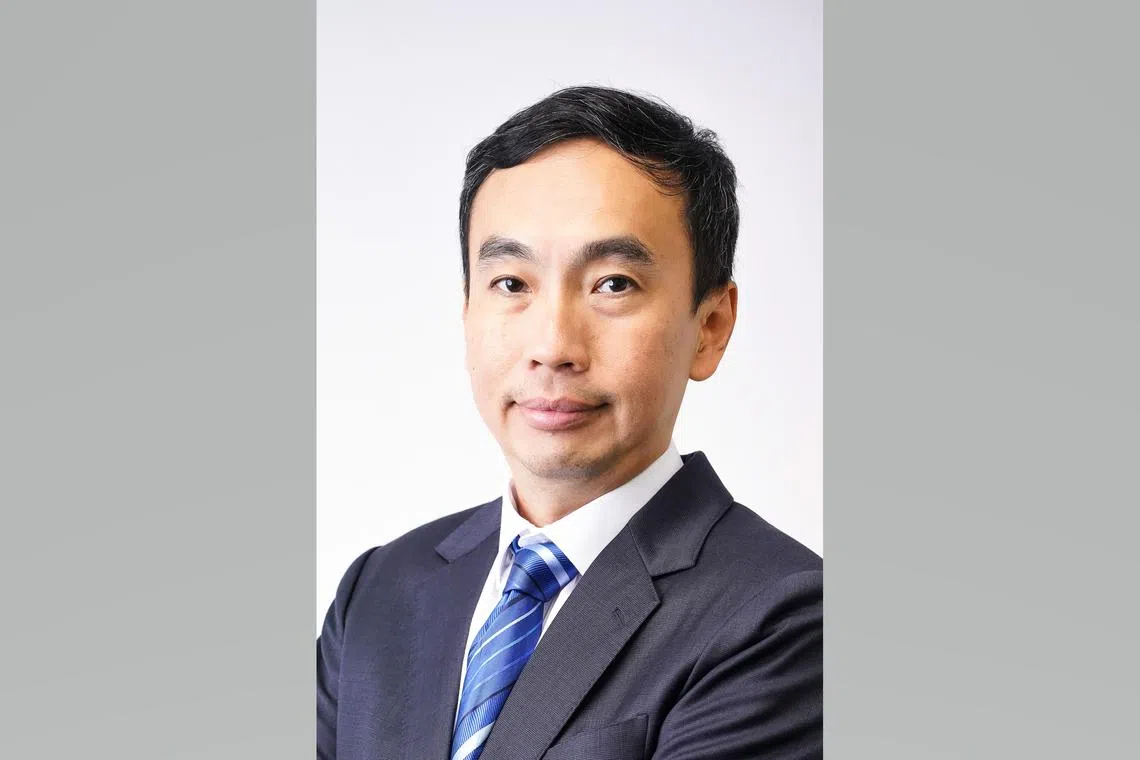
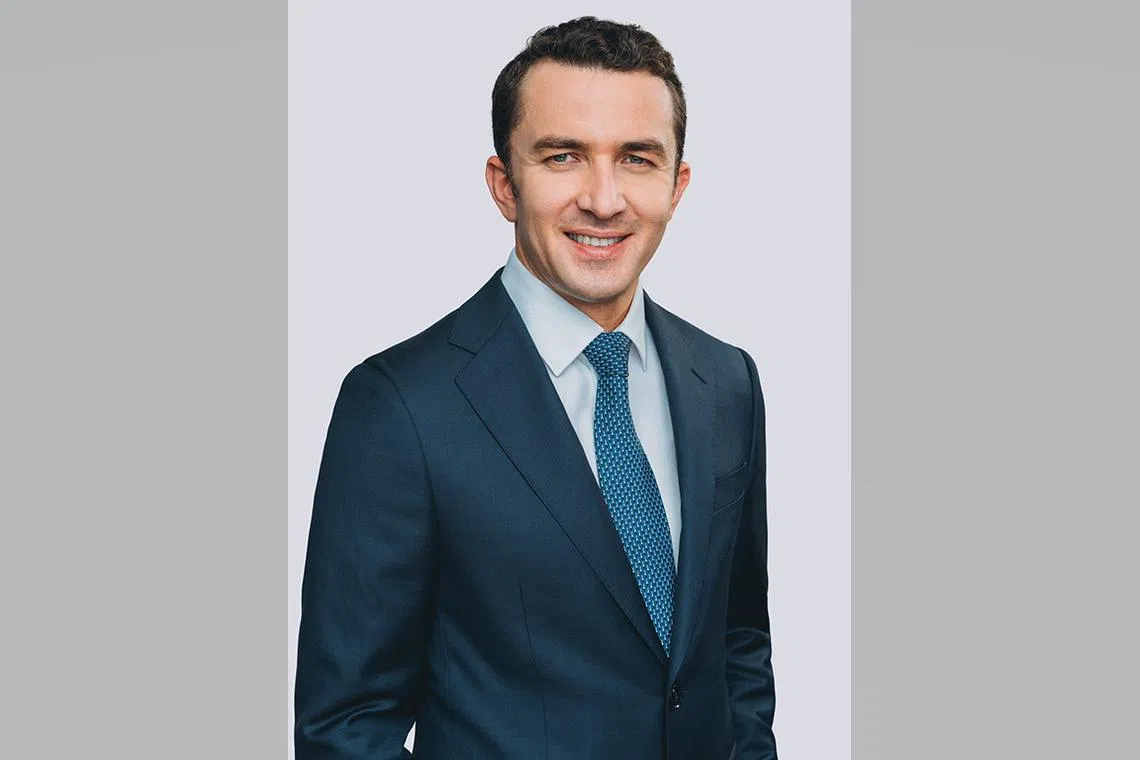
Marat Zapparov, chief executive of Pentagreen Capital, said the catalytic and commercial worlds are “two quite separate worlds”.
“We speak a different language,” said Zapparov. Pentagreen is a debt-financing specialist that aims to accelerate the development of sustainable infrastructure in Asia, with an initial focus on South-east Asia.
Catalytic capital and commercial investors are often focused on different outcomes. “Catalytic wants to be as developmental as possible,” Zapparov said.
The appetite for risk is high, as is the desire to push boundaries. Commercial capital, however, particularly money investing in the reputedly safe infrastructure asset class, “wants as much de-risking as possible”.
That gap is tough to breach because pension funds, for instance, may see a strong need to protect the funds of their investors. “It’s a tough ask to say... please take more risk for developmental reasons,” Zapparov said.
He believes the catalytic world needs to recognise “that you are not going to solve the hardest developmental problem with the first construct”.
“Solve the first problem rather than the hardest,” he said. “Solve a problem that’s on the table today. There are maybe harder problems, but they may not be solved today.”
TRENDING NOW

Once staunchly pro-China, Malaysian Chinese businesses are now distancing themselves from Beijing

Cliff Tan has 7 million followers and a 4-month waitlist. Why won’t he expand his business?

Grab CEO’s wife Chloe Tong on life with Anthony Tan and finding her purpose

Singapore F1 to proceed despite haze; no changes planned to outdoor entertainment

