Chinese fast-fashion giant Shein plans to focus more on sustainability
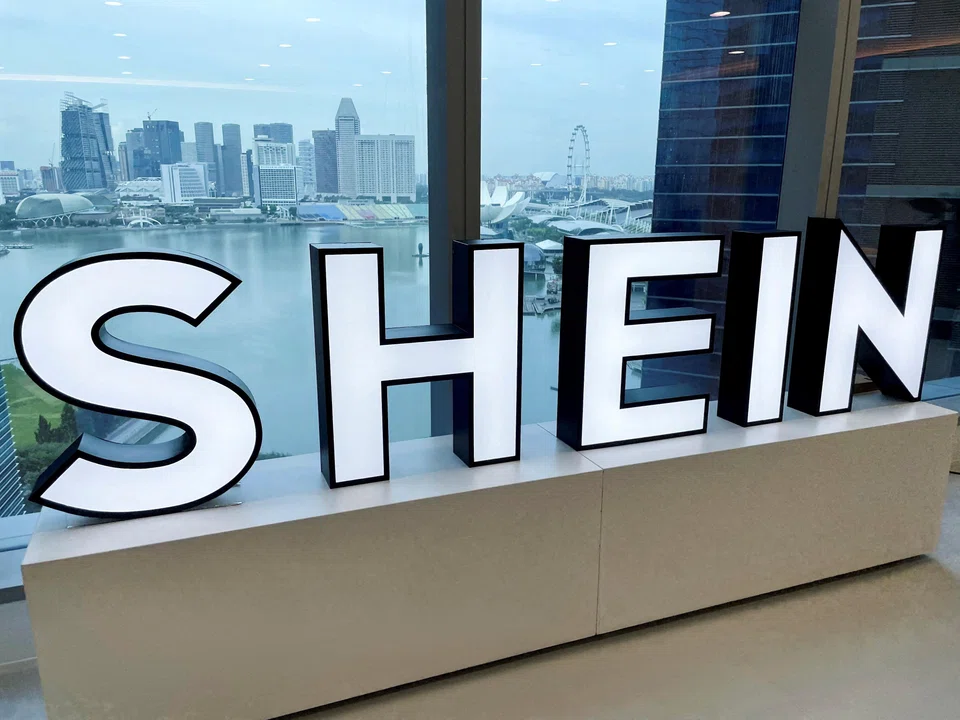
CHINESE fast-fashion retailer Shein plans to become more focused on sustainability, executive vice chairman Donald Tang said on Tuesday (Apr 25), adding that consumers are no longer just concerned about affordability.
Shein sells US$10 dresses and US$5 tops and has taken market share from other affordable fashion retailers. The company produces clothing in China to sell online in the US, Europe and Asia and has been criticised for promoting throwaway fashion.
“Consumers these days are no longer looking just at price: in the next phase to continue to grow you need to have ESG in mind,” Tang said at the World Retail Congress in Barcelona.
ESG, an acronym for environmental, social, and governance, is a term used to describe corporations’ efforts to be more responsible.
Tang said that Shein, through its evoluSHEIN line, is offering customers an option to pick more sustainable materials and pay a premium for them. EvoluSHEIN items are partly made with recycled polyester.
He also mentioned Shein Exchange, the company’s platform where shoppers can resell used clothes, which launched in the US in October and aims to start in other markets this year.
'%3e%3cpath%20d='M12.1475%2025.5262C13.7713%2025.4295%2014.94%2023.913%2014.94%2021.8832C14.94%2019.5359%2013.474%2018.093%2011.5917%2018.093C11.3745%2018.093%2010.9582%2018.093%2010.8393%2018.1413V25.2086L11.8891%2025.5745C11.8891%2025.5745%2012.207%2025.5262%2012.1475%2025.5262ZM11.4934%2017.6281C13.2567%2017.6281%2014.3843%2016.4292%2014.3843%2014.4501C14.3843%2012.372%2013.275%2011.2973%2011.4339%2011.2973H10.8393V17.6305H11.4934V17.6281ZM6.66078%2025.6482L7.39265%2025.5492C8.02617%2025.4502%208.26403%2025.3053%208.26403%2025.1097V11.6149C8.26403%2011.4193%208.1451%2011.3709%207.23484%2011.249L6.68137%2011.173L6.6219%2010.7588H11.9508C15.7153%2010.7588%2017.0624%2012.0797%2017.0624%2014.1578C17.0624%2015.9666%2015.7748%2017.1909%2013.4969%2017.6305V17.7041C16.111%2017.948%2017.6571%2019.5382%2017.6571%2021.7636C17.6571%2024.3318%2015.8937%2026.0417%2012.1109%2026.0417H6.60132L6.66078%2025.6482Z'%20fill='%232B2B2B'/%3e%3cpath%20d='M20.6287%2025.6505L21.5596%2025.5515C22.1725%2025.4779%2022.4104%2025.3076%2022.4104%2025.112V11.249H21.9346C20.073%2011.3479%2018.982%2013.0095%2018.408%2014.6227L18.1907%2015.5018H17.6555L18.1701%2010.7588H29.3837L29.6421%2015.4787H29.1664L28.9491%2014.6227C28.3728%2012.8645%2027.3047%2011.2743%2025.5002%2011.249H24.9856V25.1856C24.9856%2025.3812%2025.1251%2025.4548%2025.9965%2025.5515L26.7695%2025.6505L26.829%2026.0417H20.5693L20.6287%2025.6505Z'%20fill='%232B2B2B'/%3e%3c/g%3e%3cdefs%3e%3cclipPath%20id='clip0_5242_21648'%3e%3crect%20width='24'%20height='16.8'%20fill='white'%20transform='translate(6%2010)'/%3e%3c/clipPath%3e%3c/defs%3e%3c/svg%3e)
“These are the things we are doing but that is obviously not enough; we have to do a lot more, a lot more research,” Tang said.
Shein continues to grow “very robustly”, Tang said, and regularly has less than 2 per cent of unsold inventory.
Shein does not have any permanent physical store presence but has opened pop-up stores in cities including Houston, San Diego, Antwerp, Paris, Barcelona, Birmingham, Bristol and Cardiff. REUTERS
Decoding Asia newsletter: your guide to navigating Asia in a new global order. Sign up here to get Decoding Asia newsletter. Delivered to your inbox. Free.
Share with us your feedback on BT's products and services