Creating a future in which plastic is always recycled
 Add BT as a preferred source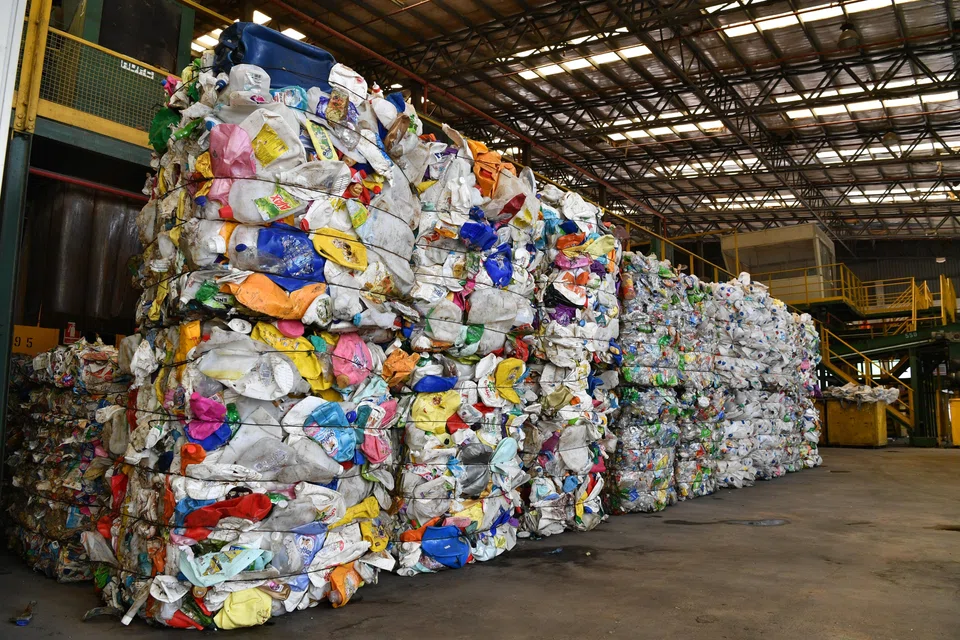
DeeperDive is a beta AI feature. Refer to full articles for the facts.
PLASTIC enables much of our daily lives, from keeping us clothed to ensuring that fresh food reaches our tables. When it comes to key infrastructure, renewable energy installations such as solar panels, or electric vehicles, there isn’t a comparable material that is both lightweight and durable. In modern healthcare, there are no equivalents for the plastic in catheters, syringes, or even prosthetics.
While the value of plastics is not debated, far too little is disposed of properly. We need to change this by implementing better waste management systems; educating consumers; designing for circularity; and scaling up advanced recycling technology. By recycling plastic multiple times, we can take advantage of its valuable properties while keeping it out of landfills and oceans.
Plastic remains the material of choice in many instances, from medical to packaging, largely due to its versatility. Research by Nanyang Technological University has also shown that plastic can have a smaller environmental footprint than alternatives. For example, reusable plastic bags in countries like Singapore, where waste is incinerated, have a smaller footprint than kraft paper or cotton bags.
Decoding Asia newsletter: your guide to navigating Asia in a new global order. Sign up here to get Decoding Asia newsletter. Delivered to your inbox. Free.
Share with us your feedback on BT's products and services