EMA awards S$7.8 million in research grants to explore battery energy storage solutions
The total amount will be given to two firms looking into more cost-effective and space-saving initiatives

THE Energy Market Authority (EMA) has awarded a total of S$7.8 million to two companies to explore solutions that could make energy storage systems (ESS) more cost-effective and space-saving.
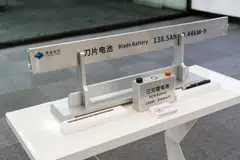
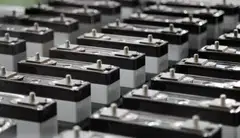
One of the research and development (R&D) projects involves the use of sodium-ion batteries by battery manufacturer Posh Electric. The company aims to test a 1 megawatt-hour ESS made out of sodium-ion batteries to manage solar intermittency. The ESS will also be equipped with a liquid cooling thermal management system and certified with internationally recognised standards. It could also manage changes in electricity demand by storing electricity during off-peak periods, and releasing it during times of peak demand.
The trial will collect fire safety data as part of its evaluation of how sodium-ion batteries perform in the Singapore climate. Such batteries have not yet been deployed in Singapore.
As sodium is more naturally abundant than lithium, batteries made from sodium could potentially be a cheaper alternative to conventional lithium-ion batteries.
The second R&D project involves the potential of underground ESS, which would be carried out by energy storage provider VFlowTech. While locating ESS underground will minimise the land required, there is a need to gain a better understanding of its safety parameters, including fire safety, said EMA.
VFlowTech’s project will be carried out in two phases. The first phase involves a feasibility study, including looking into fire-safety measures for underground ESS.
SEE ALSO


The second phase would involve the development of underground infrastructure and ESS after obtaining regulatory approvals.
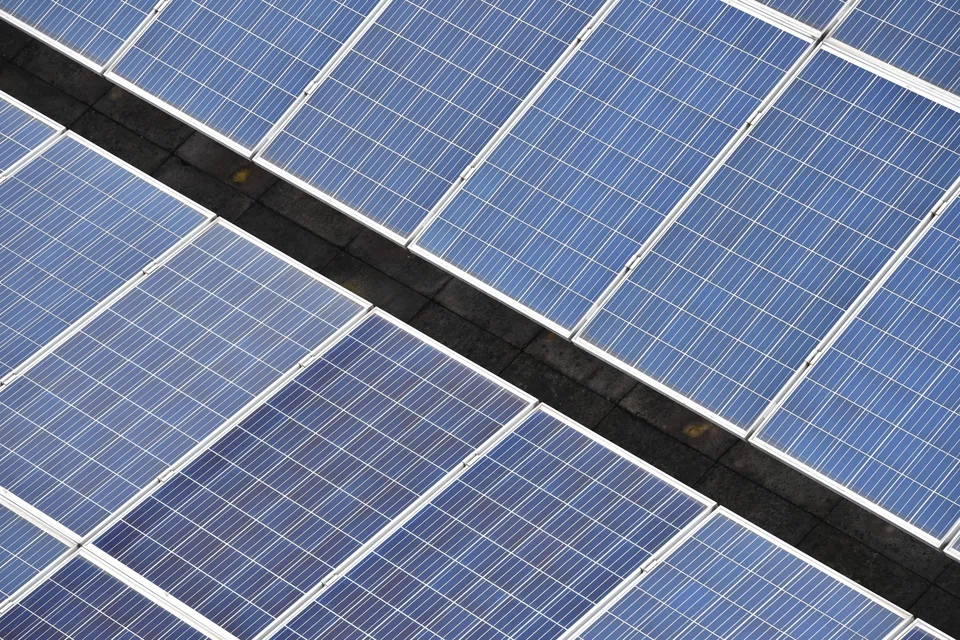
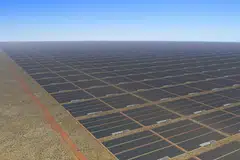
ESS help mitigate the intermittency challenges of solar power by storing and discharging energy when required. Solar farm projects are usually paired with ESS so that power can be dispatched round-the-clock to the grid. It can also play a role to manage power supply disruptions.
Decoding Asia newsletter: your guide to navigating Asia in a new global order. Sign up here to get Decoding Asia newsletter. Delivered to your inbox. Free.
Copyright SPH Media. All rights reserved.