

Europe’s biggest pension fund ABP tightens ESG investing guardrails
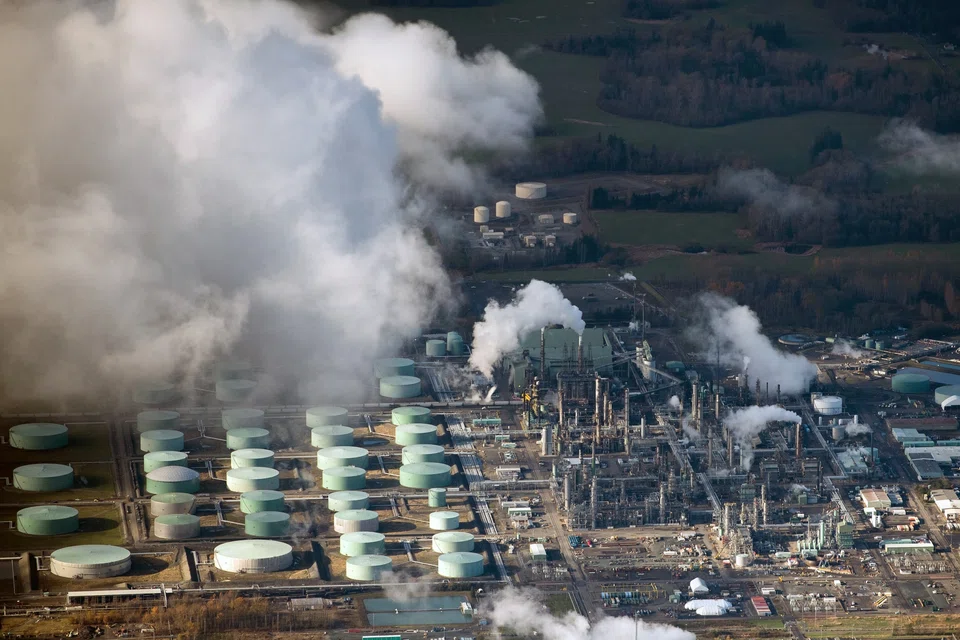
EUROPE’S biggest pension fund is imposing stricter environmental, social and governance requirements on its portfolio, as it steers more capital towards companies it assesses to be greener and fairer.
ABP, which is based in the Netherlands, said the policy means it will apply tougher screens when it reviews holdings for climate and biodiversity risk, according to a statement on Monday (Mar 4).
“Companies that are inextricably linked to climate change and cannot or do not want to change are no longer suitable for us,” the fund said. Those that manage the risks of a changing world well will instead be seen as good fit for ABP, it said.
The Dutch pension fund said it is now “re-evaluating” its selection of companies for investment as part of a strategy to guard against future losses. ABP is targeting 30 billion euros (S$43.7 billion) in impact investments that take climate and biodiversity risk into account, it said. Of that, 10 billion euros will be allocated inside the Netherlands towards areas including affordable housing, as well as sustainable and affordable energy, it said.
ABP chose to halt investments in fossil fuel producers in 2021 after assessing that its efforts to engage with the companies wasn’t leading to the desired change. ABP is instead seeking exposure to firms that take long-term risks into account.
ABP’s investments now exclude companies involved in serious controversies relating to climate, nature, human rights and corporate integrity. The exclusions also apply to tobacco companies, firms that make nuclear weapons, civilian firearms, fur, non-organic pesticides, single-use plastics and gambling. BLOOMBERG
Decoding Asia newsletter: your guide to navigating Asia in a new global order. Sign up here to get Decoding Asia newsletter. Delivered to your inbox. Free.
Share with us your feedback on BT's products and services
TRENDING NOW
One-third of Singapore-listed firms at risk in severe AI downturn: MAS
‘Not done’: Keppel CEO Loh Chin Hua transformed the group, but says there’s ‘still a lot to do’

He built the Vingroup empire. Now South-east Asia’s richest man is handing some key roles to his sons
‘We don’t want to stay as we are’: CEO Patrick Ng builds a more resilient Huationg

