

EU’s imported-carbon tariff may trigger reviews of S-E Asia policies: Sustainable Fitch
Natalie Tan
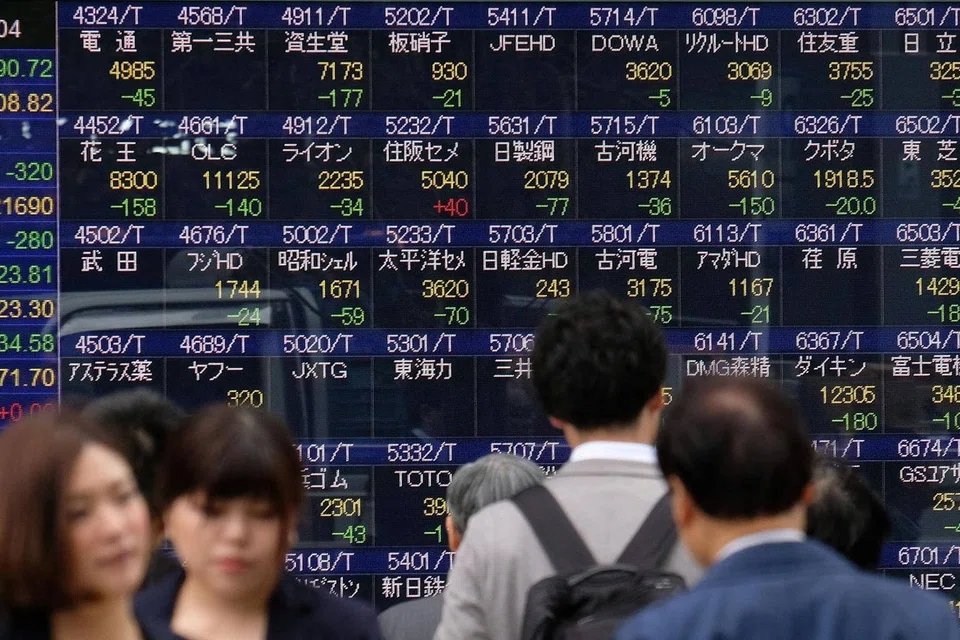
EUROPE’S imminent emissions tariff on imported goods may prompt a long-term re-evaluation of existing carbon policies in South-east Asia, Sustainable Fitch said in a report on Wednesday (May 24).
The Carbon Border Adjustment Mechanism (CBAM) is due to launch in October 2023 and will be fully operational by 2026. It aims to address carbon pricing discrepancies between jurisdictions and mitigate carbon leakage by imposing an emissions tariff on imports of carbon intensive goods entering the European Union (EU). The initial goods covered by the mechanism are cement, iron and steel, aluminium, fertilisers, electricity and hydrogen.
Aside from the actual carbon tariff, major suppliers of covered commodities to the EU will also face higher costs due to compliance and reporting, Sustainable Fitch said in its review of environmental, social and governance trends in the first quarter of 2023.
The EU accounted for 136 billion euros (S$197.6 billion) of exports to South-east Asia in 2021 alone, and is the region’s third-largest trading partner. Yet the Asian bloc’s response to CBAM has been “fairly lacklustre”, Sustainable Fitch wrote.
The nonchalance could reflect the fact that nearly 90 per cent of South-east Asia’s exported manufactured goods are excluded from the product categories covered by the tariff, Sustainable Fitch said.
But while the effect on South-east Asian economies is currently minimal, it will likely increase over time should CBAM be expanded to include a wider range of sectors. If so, South-east Asian countries may be forced to “implement appropriate domestic environmental regulations and adapt new technologies to avoid losing access to an important overseas market”, Sustainable Fitch said.
In anticipation of the costs posed by CBAM, policymakers in the region may be motivated to re-evaluate existing carbon policies. However, this will “not be straightforward”, as governments will have to balance social and economic considerations with environmental ones.
Sustainable Fitch also noted increasing focus on the phasing out of coal in Asia, which is heavily dependent on the carbon-intensive fuel and must retire coal power generation in order to reach net-zero carbon emissions.
However, due to widely varying policy priorities, power sector project pipelines and incentives for proceeding with early decommissioning and early coal retirement is only in its early stages, and will likely be a slow and uneven process in the Asia-Pacific, Sustainable Fitch said.
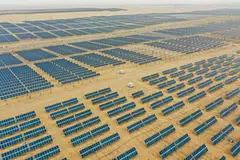

In South-east Asia, local governments’ interest in the early retirement of older coal plants has been gaining momentum since 2022. While Indonesia and Vietnam have been exploring new blended finance mechanisms, such as the Asian Development Bank’s Energy Transition Mechanism and the Just Energy Transition Partnerships (JETP), the climate impact of these retirements will be limited due to challenges facing the JETP programmes and the pipeline of new coal power capacity in the region, Sustainable Fitch said.
For instance, one of the challenges highlighted by Indonesia is early coal plant retirement plans competing with carbon capture and storage. Ensuring a just transition for coal-dependent regions and ramping up renewables capacity to lower coal competitiveness were other challenges reflected as well.
Decoding Asia newsletter: your guide to navigating Asia in a new global order. Sign up here to get Decoding Asia newsletter. Delivered to your inbox. Free.
Copyright SPH Media. All rights reserved.
TRENDING NOW

Knight Frank’s Tan Tee Khoon leaves firm, Nicholas Keong takes over auction business
Keppel Energy, Sembcorp Utilities and Tuas Power to supply biomethane in pilot project

GovTech retrenches another 38 staff in second round of layoffs
Take-up of new private homes dives 45% in Q3 as prices accelerate with 1.4% rise

