

Fear of the unknown preventing firms from embarking on sustainability journey: SMF
The manufacturing body has therefore rolled out a programme to help them overcome the obstacles

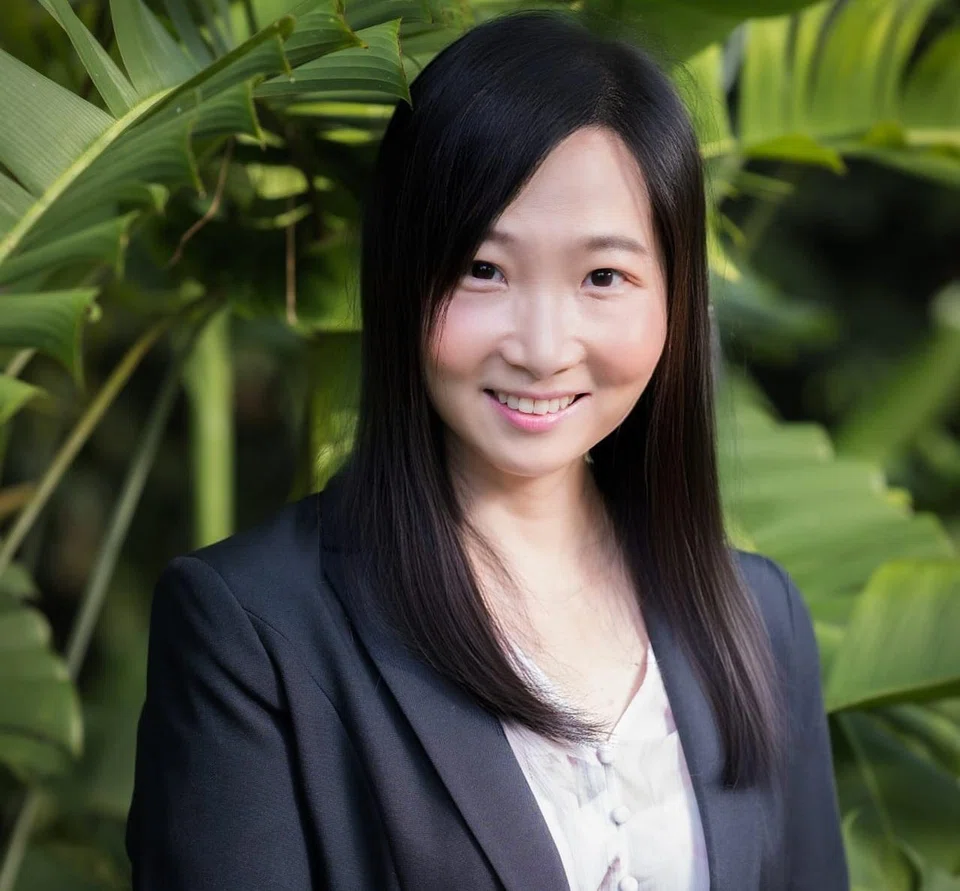
[SINGAPORE] Fear of the unknown is one factor stopping some companies from moving forward in their sustainability journey, said Clara Kwan, chief sustainability officer of Singapore Manufacturing Federation (SMF).
Another roadblock is that some company leaders are unclear about what to do and how to take things forward – and even when they do, they are often unsure how their progress can be measured.
Added to that, the business landscape is more complex now, she said.
“There is greater know-how, smart manufacturing and software. AI (artificial intelligence) is also coming into play. It is a different landscape, with (evolving) political trends,” she added.
She noted that businesses are practical, want to see a payoff from adopting sustainability practices, such as having their costs lowered.
How to get started?
But once those points are established, there is always the question of where or how one can get started.
To help such firms do that, SMF has come up with the Chief Sustainability Officer as a Service initiative.
This programme started in January 2024 and was designed to empower small and mid-sized enterprises (SMEs) with the tools, expertise and guidance necessary to integrate sustainable practices into their operations.
“Since we’ve started, our outreach events have reached over 3,300 companies. Together with partners, we’ve conducted and developed about 80 sustainability training workshops, reports, strategies and road maps, alongside 60 carbon reports,” said Kwan.

There are many sustainability programmes out there, but not all are suited to the needs of smaller firms. The SMF’s programme tries to meet smaller companies’ basic needs; for instance, they seek to be clear about the criteria that would qualify them for green financing, or how to fulfil tender requirements.
After all, these smaller companies are not at the moment making it their priority to become green-certified, because certification entails processes and hurdles they are not ready to face.
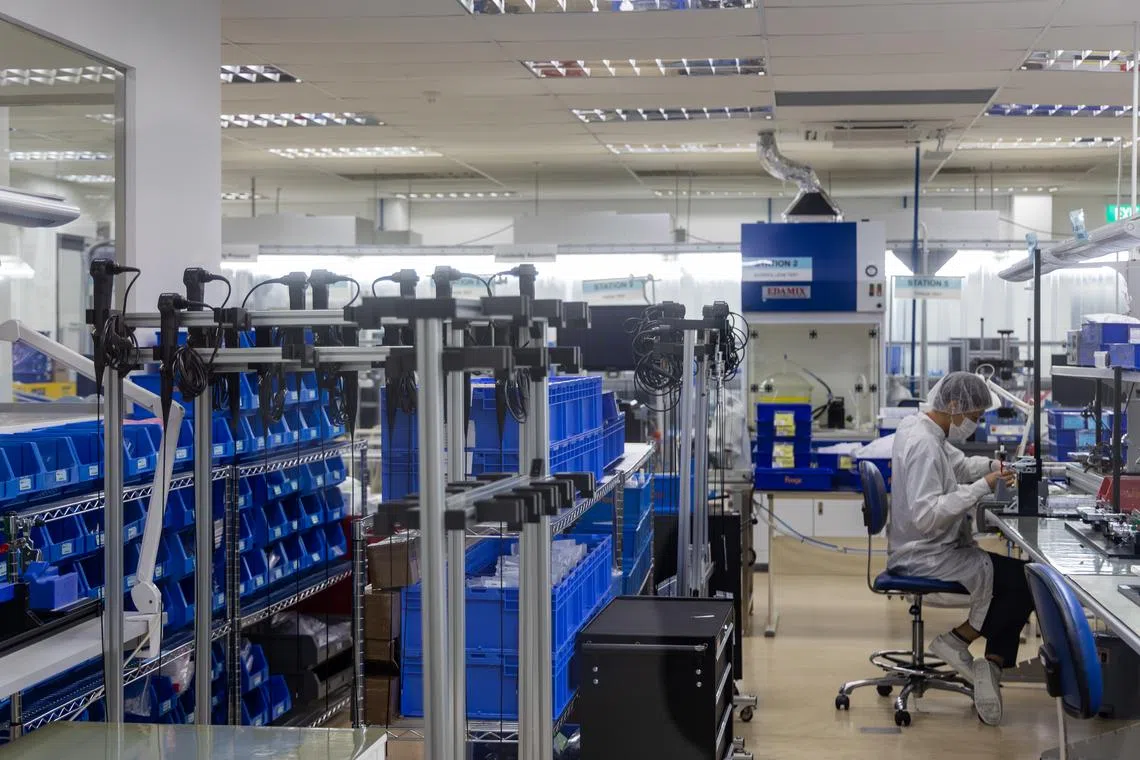
The SMF programme takes a macro view of sustainability.
Kwan said conversations are held with senior management to create a baseline for the company’s sustainability efforts. “We then go through with them and explain to them what it means, and how it benefits them financially in the long term… The end goal is for them to not be reliant on us permanently, but to equip them with the know-how so that they are able to do it on their own.”
The programme also builds an ecosystem where like-minded people gather, and opportunities to collaborate are created.
The Singapore Innovation and Manufacturing Excellence Award is handed out as an incentive to get smaller firms to start being sustainable.
“This is also a form of encouragement, and from there, they aspire to do better,” Kwan added.
She said metrics are now available to measure sustainability impact, but the A*Star Green Compass methodology and United Nations’ Sustainable Development Goals are important standards that have been adopted.
Once sustainability practices are embedded, manufacturing companies will be positioned to influence their partners and overseas operations.
“Sustainability is inherently regional, not confined to national boundaries,” Kwan said.
A 2023 report by McKinsey said that if a company can grow profitably as a sustainability leader, the market will reward it for this growth.
Strong commitment
The report said that outperformers in environment, social and governance (ESG), profit and growth delivered two percentage points of annual total shareholder returns above that of companies that outperformed only on financial metrics.
This suggests that a strong ESG commitment adds additional shareholder value for companies that also exceed their peers in growth and profitability.
Kwan said that even the social aspect – to engage employees and participate in certain giving-back activities – is important because there is an increase in employee engagement and satisfaction after adopting such practices.
“It is not ‘sexy’ to be labelled as working in the manufacturing industry. So these are ways we can make the industry more attractive and make the staff happy and not leave,” she added.
“Retention is important in manufacturing – especially smart manufacturing – as the skill sets are not easy to replace.”
Building up resources
On Aug 25, the Accounting and Corporate Regulatory Authority and Singapore Exchange Regulation extended implementation timelines for climate reporting requirements for SMEs, to give them time to build up their resources.
Referring to the extension, Kwan said: “(Some companies) are ready, (but) can they collect (what is needed) from the supply chain?”
She added that while smaller companies are willing to do it, they are still figuring out what to do, especially with the current uncertain economic climate.
On the future of the manufacturing sector and sustainability, she said: “We are seeing more young leaders step into the sector, and with them comes more openness to change, so less convincing is needed. Sustainability is a journey and when the seed is planted, the impact unfolds over time, not a matter of weeks.”
Decoding Asia newsletter: your guide to navigating Asia in a new global order. Sign up here to get Decoding Asia newsletter. Delivered to your inbox. Free.
Copyright SPH Media. All rights reserved.
TRENDING NOW

Singapore identifies 7 firms responsible for haze fires, notices issued urging action: Grace Fu

Could stablecoins be the future of money?

Singapore should prepare for prolonged haze until November, says Grace Fu

High Court rules against Julius Baer’s Singapore trust arm in US$50 million family trust dispute

