

Frasers Property bought carbon credits from controversial Zimbabwean forest project

Wong Pei Ting
FRASERS Property is among Singapore-listed businesses affected by the fallout of a renowned Zimbabwean forest-conservation carbon-crediting project that has drawn flak for allegedly blowing up numbers related to its impact on halting deforestation.
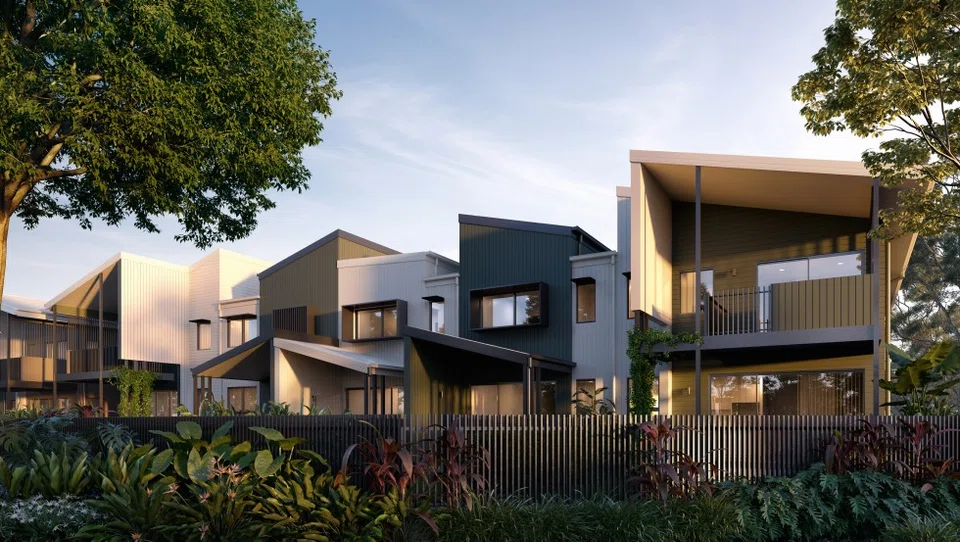
The real estate group’s Australian unit had used the credits from the now-controversial Kariba project towards an initiative that allows homebuyers at its Minnippi Quarter development in Brisbane, Queensland, to offset the carbon emissions associated with the materials and construction of their homes.
The development, which has since been completed, comprises 172 terrace homes and 20 land lots.
When announcing this initiative, called Build Neutral, in December 2020, the company had said that half of the offsets that would come under the initiative would be from the Kariba project. The other half would be from an Australia-based regeneration project.
In response to queries by The Business Times, a Frasers Property spokesperson said that the group was made aware of the investigation into the Kariba project by Climate Active, which is Australia’s official carbon assessor.
The carbon assessor, which exists as an Australian partnership between the government and businesses to drive voluntary climate action, has since frozen applications from businesses wanting to use Kariba credits to offset their emissions.
Asked if Frasers intends to take remedial steps to make up for any shortfall in emissions reductions, the spokesperson said that Climate Active has indicated that it will make a decision on the eligibility of offsets from this project after the outcome of the investigation.
“We’re in consultation and will collaborate with Climate Active as needed throughout this process,” he added.
The spokesperson did not reveal the number of Kariba credits used under the Build Neutral initiative, despite being asked.
Frasers purchased the offsets from South Pole, which was widely reported to be the world’s largest carbon consulting firm and the biggest trader in the voluntary carbon market.
Kariba was marketed by South Pole as one of the world’s first large-scale deforestation avoidance climate action projects. In fact, one of the group’s executive directors had described the project’s impact as preventing the annihilation of a forest nearly the size of Puerto Rico.
South Pole had on Oct 27 announced the termination of its involvement in the Kariba project, saying that it was no longer confident that the project met the standards it expected from its partners.
The group’s statement came in the wake of carbon offset certifier Verra pausing the issuance of credits to the project, while it carried out an investigation based on some serious allegations raised in an Oct 16 article by The New Yorker.
The Kariba project has issued around 36 million credits since 2011. Other companies known to have bought credits from the project include KPMG’s Australia business, which has been certified carbon neutral by Climate Action since 2019.
TRENDING NOW

First Resources blames El Nino, outside fires for Kalimantan hotspots amid haze scrutiny

High Court rules against Julius Baer’s Singapore trust arm in US$50 million family trust dispute
Singapore key exports jump by higher-than-expected 68.4% in September, led by non-electronics

MSCI proposes standalone status for Indonesia; Jakarta stocks plunge 8%

