OCBC, Food From The Heart collaborate to empower beneficiaries of food programmes
Community shops set up to allow low-income families to choose the type of food they want to collect monthly
 Add BT as a preferred source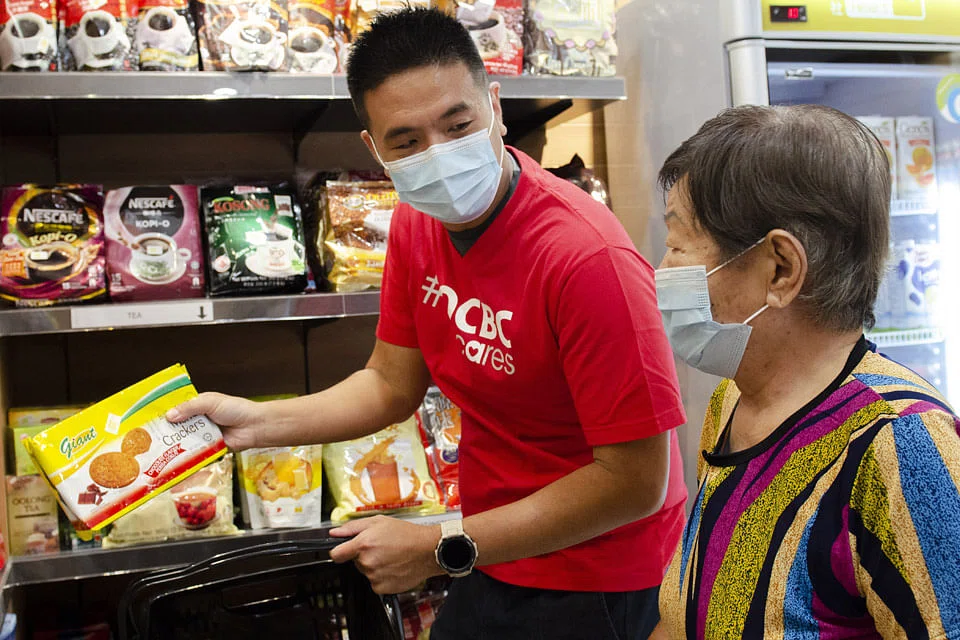
DeeperDive is a beta AI feature. Refer to full articles for the facts.
Singapore
DONATING food should focus on the beneficiaries and empower them to choose the type of food they want and their collection frequency, according to Food From The Heart's (FFTH) chief executive officer Sim Bee Hia.
This is why Food From The Heart and OCBC have collaborated to run initiatives such as community shops which ensure that low-income families are able to choose the type of food they want to collect monthly.
OCBC said that food security is an issue they want to help resolve. In the course of volunteering and interaction with social workers and the community, the bank observed that while there were many generous individuals and organisations who were willing to contribute food to the needy, there was often a mismatch of donations - donors were either giving the same types of food resulting in duplications or donating items that the needy do not require.
Hence, with the setting up of the community shops, beneficiaries are given 12 credits each month to collect food items from these community shops to take what they need or want.
"We de-monetise the way food support is given. It is not about how much stored value is in the card but how many food item credits," said Ms Sim.
Navigate Asia in
a new global order
Get the insights delivered to your inbox.
Minimise food wastage
FFTH has seen seniors collect a small jar of fermented tofu over bigger or more expensive items. They also seem to prefer smaller bottles of oil, and white rice over brown rice.
According to OCBC, while each household is eligible to collect 12 items a month, most collect less than that, which helps to minimise food wastage.
"If they have not finished a particular item taken last month, the tendency is to collect something else this month, which means food items like a tin of biscuits, can be spread across two months instead," said Ms Sim.
The first community shop was opened in February 2020 in Mountbatten, with OCBC contributing S$300,000 to fund its opening. To-date, more than S$60,000 worth of food has been collected by lower income families.
Co-founder of The Food Bank Singapore, Nichol Ng, noted that one of the challenges in food donation is that not enough has been done to find out what the underprivileged wants, especially since some people prefer certain brands over others.
"We must recognise that Singapore is a far more sophisticated market to feed as compared to maybe a developing country," Ms Ng said.
Ms Sim said that standards of living have gone up, and beneficiaries' profiles have changed over the last decade, with many having a preference for brands they are more familiar or accustomed to. For example, some prefer jasmine rice to Thai rice, Nescafe to newer brands, Skippy peanut butter to unknown brands, and Milo made in Singapore or Malaysia as compared to those made elsewhere.
"They are more well-informed through television and newspaper advertisements. Some are also able to read food labels," she added.
OCBC also noted that previously donors were either given the same types of food resulting in duplication, or donating items that the needy do not require, which results in a fair amount of food waste.
In order to tackle this problem, staff volunteers from OCBC make use of data analytics to help analyse food data collected from the community shop, which helps FFTH more efficiently replenish the popular food items.
Based on past data, the top five favourite food items include beverages, especially chocolate drinks, canned meat, cooking oil and biscuits.
With the success of the first community shop, OCBC is funding a second shop at Boon Lay which can feed 1,200 households. The shop will be officially opened on March 24.
Currently, OCBC supports several of FFTH's projects to provide food in different ways to suit beneficiaries' needs. These include funding the monthly distribution of trays of eggs for 2,500 families, funding healthier food packs for renal patients undergoing dialysis and Project Belanja!.
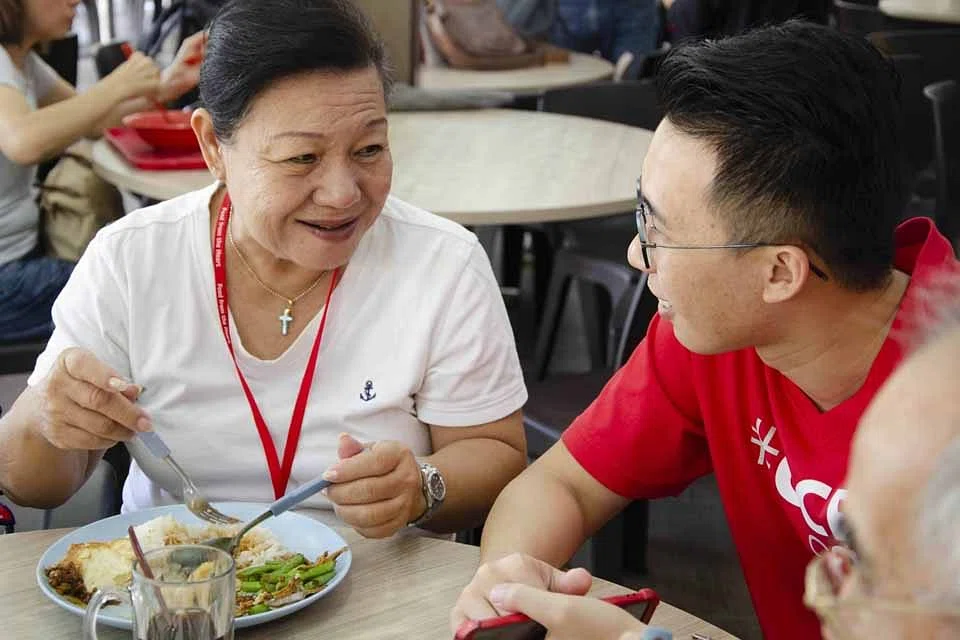
Project Belanja! is a project funded by OCBC and run by FFTH which enables seniors who do not cook to redeem hot meals from food stalls near their homes instead of giving them food packs. This gives them greater choice and flexibility over deciding what to eat, allowing them to enjoy different types of food cooked by different people.
Dignity of choice
Under the programme, each person is able to redeem up to 15 meals per month with their FFTH beneficiary cards. Partnering hawker stall vendors will scan the QR code on these cards when beneficiaries redeem food, and redemption data is tracked to better understand beneficiaries.
Project Belanja! also aims to encourage people to step out of their homes to interact with others in the community.
These programmes give beneficiaries the dignity of choice, which can also effectively minimise mismatch and wastage of food, according to OCBC.
To ensure that the help OCBC offers is meaningful, the bank proactively reaches out to their charity partners,organisations, social workers, government bodies and non-government organisations (NGOs) to understand social issues and underlying problems faced by the needy.
"Having a choice is something that cuts across the feedback we receive. In addition, having support schemes extending help conveniently and promptly also allows beneficiaries to accept and embrace the help. It means fewer hungry persons. It also helps to gather the community together to look after those in need living among them." Ms Sim said.
- This article is part of a series on sustainability initiatives, supported by OCBC Bank
Decoding Asia newsletter: your guide to navigating Asia in a new global order. Sign up here to get Decoding Asia newsletter. Delivered to your inbox. Free.
Copyright SPH Media. All rights reserved.