

Healthcare and ESG: Why these two areas are ‘economic imperatives’ for investors
Speakers at a recent forum jointly organised by enterprise advisory firm Majoris and SGX examine emerging trends and strategic considerations shaping investment decisions
 Add BT as a preferred source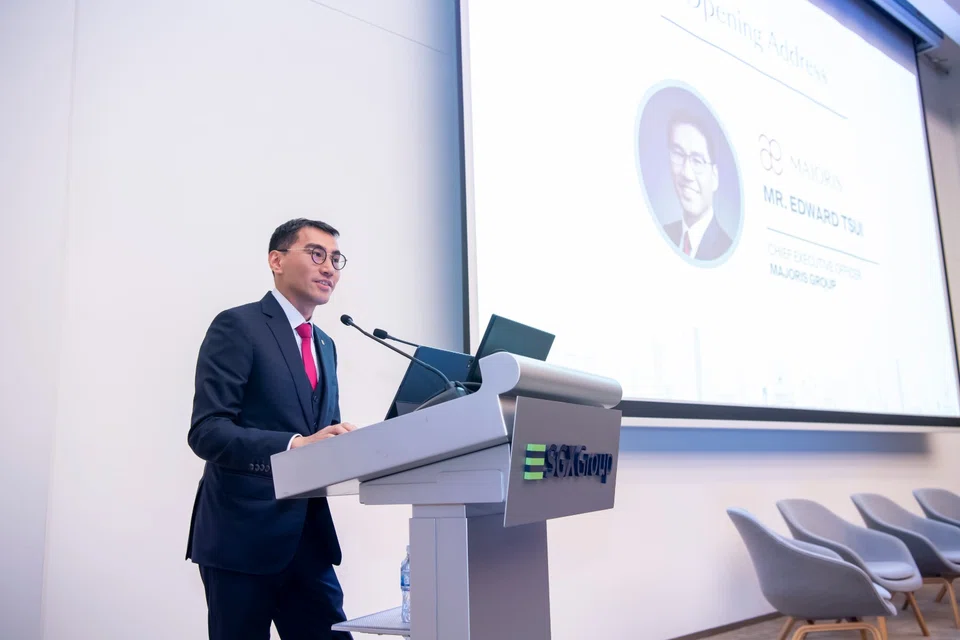
DeeperDive is a beta AI feature. Refer to full articles for the facts.
Technology is driving new opportunities in healthcare and sustainability, offering investment firms innovative ways to diversify their portfolios.
This was one of many points raised at an investment forum hosted by enterprise advisory firm Majoris Group in conjunction with the Singapore Exchange (SGX).
Speaking at the forum, Doreen Li, head of asset management at enterprise advisory firm Majoris Group, said that healthcare and environmental, social and governance (ESG) investing is the way forward.
She highlighted a study which estimated that the damage caused by climate change would be roughly US$69 trillion (S$93.4 trillion) by 2100.
“It reminds us that the stakes are high and the time for action is now,” she added.
“Healthcare and ESG are not just ethical investments – they’re also economic imperatives.”
The forum, held on Nov 27, 2024, also gave some of Majoris’ European clients a chance to showcase their solutions in the fields of healthcare and ESG.
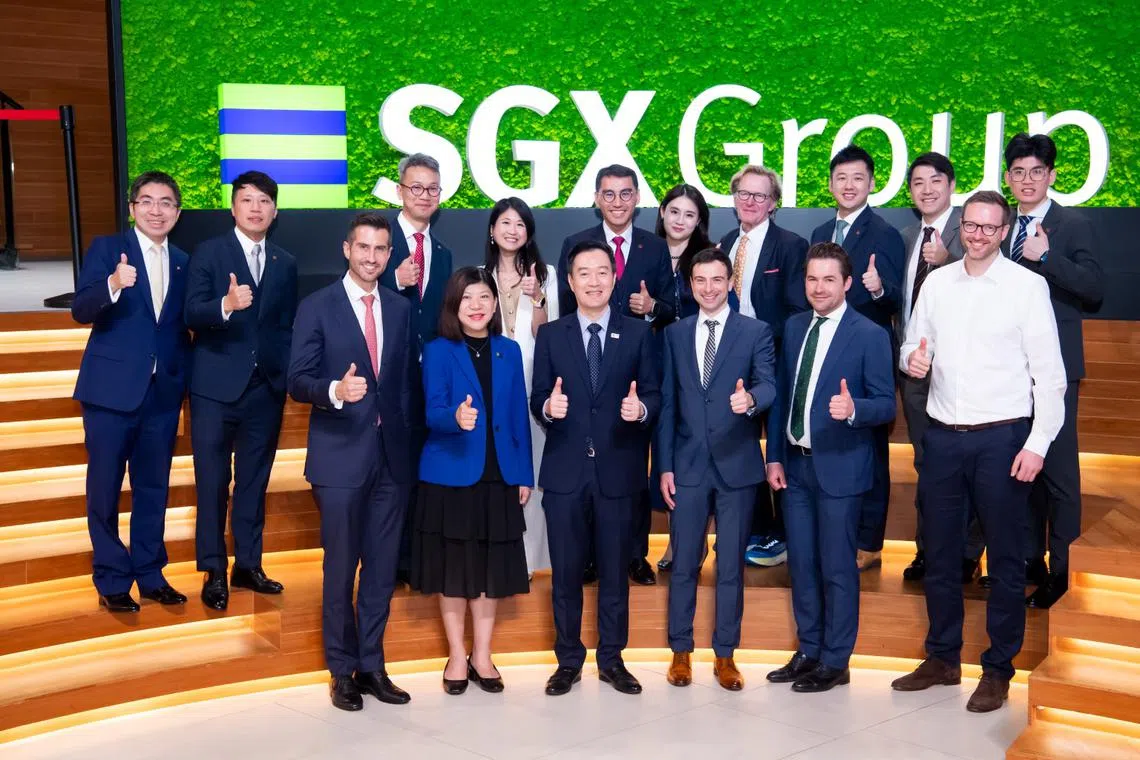
The four companies were: Caresyntax, which developed an AI-powered platform to help surgeons in the operating room; Earlab GmbH, which built a solution to help doctors diagnose hearing loss more efficiently; Hydrogenius, a logistics company that specialises in transporting hydrogen; and Sol Energy Group, which develops solar panel parks.
Coming together from worlds apart
Why focus on healthcare and ESG? In an interview with Tech In Asia, Edward Tsui, chief executive officer of Majoris, says it is because these topics “align with the growing concerns of Singaporean enterprises and the robust support from the Singapore government”.
The forum “not only strengthens ties between Hong Kong and Singapore but also serves as a bridge connecting Europe and Asia, enhancing mutual understanding between Singaporean and European companies”, says Tsui.
At the event, Majoris’ Li sat down with several panellists to discuss the future of healthcare and ESG in the investment landscape.
The panel also included Quak Fi Ling, partner at Singapore law firm WongPartnership; Darren Ng, audit and assurance partner at consulting firm Deloitte; Alice Gwee, a capital markets team lead at SGX; and Jeffrey Lim, chief marketing officer at asset management firm Astrid First Wealth Advisory.
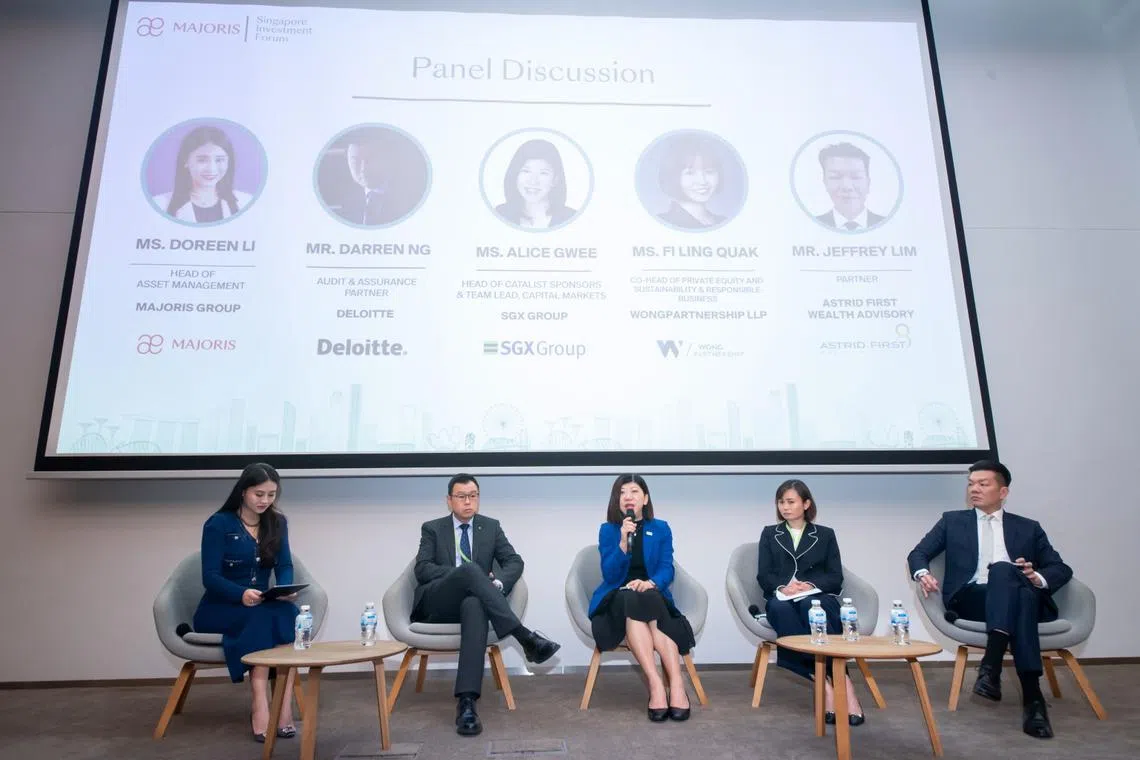
Gwee started off by sharing how many investors are now looking into “financial returns with a positive impact”.
That is why tools like SGX’s exchange-traded funds products, which help investors diversify their portfolio while maintaining good risk management, have become crucial.
Having these tools will be critical as healthcare investment opportunities are trending up, as Ng pointed out. In particular, he noted that according to Deloitte, there have been more IPOs from life sciences and healthcare companies in Asia since 2021.
Tech-powered solutions
“There’s been an increased focus especially due to the advancement of technology such as AI,” Ng added. “Post-pandemic, more consumers are also looking at healthcare and life sciences not just for big-ticket items like surgery but also for everyday things like wearable smart watches and health supplements.”
Quak shared how start-ups such as Doctor Anywhere and Halodoc, which offer alternative healthcare options beyond clinics and hospitals, have been on the rise.
“We’re also seeing a lot of consolidation of healthcare firms and building of integrated platforms,” she added.
Singapore would be an extremely good base for healthcare investors and businesses, as the government is looking to spend a total of more than US$1 billion in the next three to four years to support healthcare initiatives.
“I would say that the outlook is very positive,” Quak said.
What is the point of ESG?
ESG considerations will not just be something that is a good-to-have, but they will become a core part of financial prudence, the panel concluded.
According to Astrid First Wealth Advisory’s Lim, introducing ESG factors into due diligence could even result in higher risk-adjusted returns for investors in the long run, as it makes risk assessment more comprehensive.
“This approach can help uncover ESG-related risks and opportunities that traditional financial analysis might miss,” he explained.
As such, private equity firms should actively engage with portfolio companies on ESG issues, such as by setting objectives, monitoring the progress of ESG initiatives, and guiding businesses to adopt sustainable business activities and strategies.
In this area, Quak noted that companies often have a wide range of investors, each coming in with their own set of ESG requirements.
“There needs to be some level of alignment for your own sake,” she said. “You need to have conversations on putting in a governance structure to make sure that someone stays accountable for your ESG targets.”
This could take the form of appointing a chief sustainability officer or pegging ESG targets to compensation packages.
“Additionally, if you believe that ESG drives value, then eventually when you exit, you can get a premium by selling yourself as a lot more sustainable than your competitors,” she added.
A major step forward
Looking ahead, Majoris’ Tsui notes that the company is looking to work closely with SGX beyond events like this investment forum.
“Collaborating with SGX to organise this event was a delight. Their enthusiasm and support throughout the event were evident, reflecting their commitment to welcoming foreign enterprises to Singapore with valuable insights and guidance,” Tsui says
“We’ve got a lot of focus on sustainable values and leveraging diversity, and with SGX as the leading and most international multi-asset exchange, we’re looking forward to bringing companies to list on SGX, especially those that align with its ESG focus,” he adds.
Apart from that, Majoris is also planning to further establish its presence in Singapore by working with local, licensed financial organisations such as cryptocurrency service providers. This would help expand its financial services offerings, including digital asset management and trading platforms, in line with Singapore’s progressive regulatory framework for digital assets, according to Tsui.
“So far, our debut in Singapore seems to be a well-received step towards expanding our influence and operations in Asia, particularly in the areas of ESG and digital asset management, and we’re very happy to see that,” he says.
This article was first published in Tech In Asia. For more information, visit the Majoris website.

Decoding Asia newsletter: your guide to navigating Asia in a new global order. Sign up here to get Decoding Asia newsletter. Delivered to your inbox. Free.
Share with us your feedback on BT's products and services
TRENDING NOW

Shelving S$5 billion office redevelopment plan proved ‘wise’ as geopolitical risks mount: OCBC chairman
Why where you park your joint venture matters: Lessons from a US$689 million shareholder dispute

China pips the US if Asean is forced to choose, but analysts warn against reading it like a sports result

Singaporeans can now buy record amount of yen per Singdollar

