Investors are underestimating the physical risks of climate change
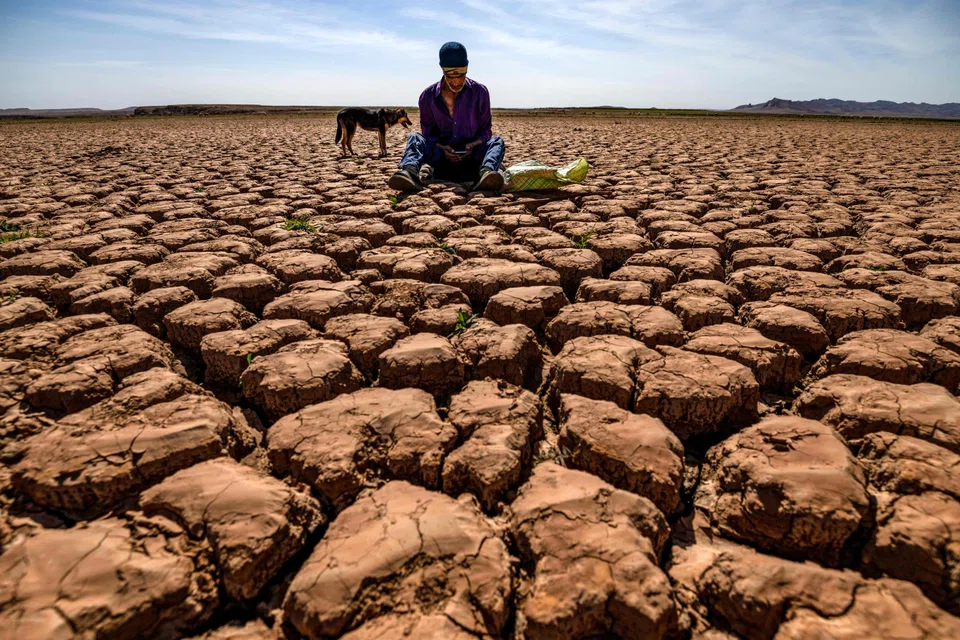
THE climate crisis is a rapidly unfolding reality. Climate scientists have long warned that we must limit global warming to 1.5 degrees Celsius to avoid triggering climate tipping points and face the worst impacts of climate change.
Yet, the data paints an uncomfortable picture – last year was the warmest year on record.
The urgency to reduce emissions by around 43 per cent by 2030 to limit global warming to 1.5 deg C is becoming increasingly obvious, but are we on track to meet this goal?
There is a growing disconnect between climate science and the climate-scenario modelling undertaken by financial firms. The result is an underestimation of the risks posed by climate change – a miscalculation that could have significant implications for global financial markets.
The intersection of climate science and financial analysis is extremely relevant now, and understanding these risks has become essential for the resilience and sustainability of global financial markets.
Physical risks impacting investors
Billion-dollar climate disasters are on the rise, the insurance sector is coming under pressure from rising natural catastrophes, and severe droughts are disrupting crucial trade routes. In Asia, we also see a decline in food production.
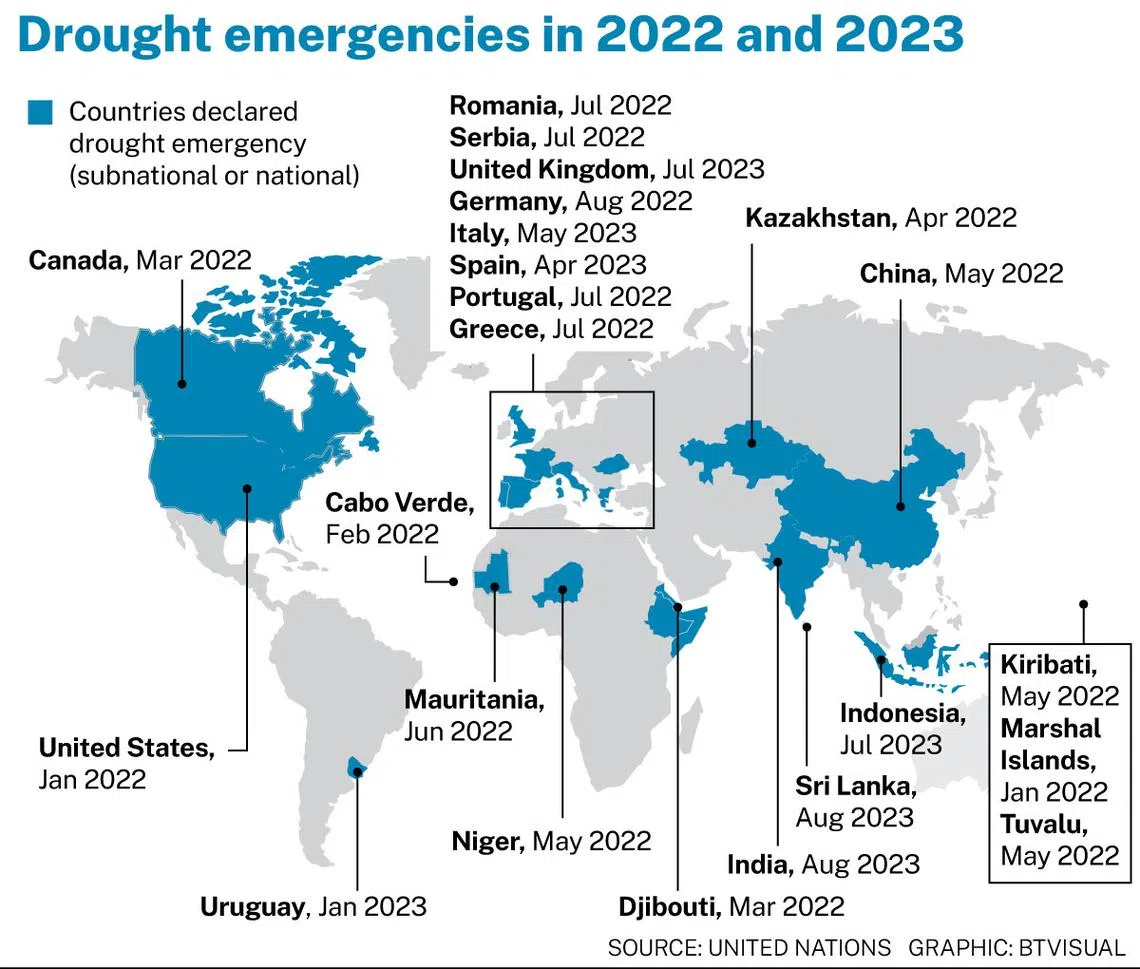
India is the largest rice exporter in the world, accounting for 40 per cent of total rice exports. In July 2023, it banned the export of certain categories of rice due to severe drought conditions made worse by global warming and El Nino. The price of rice subsequently rose to its highest in over a decade.
According to the United Nations’ Global Drought Snapshot 2023, a quarter of the global population experienced drought conditions over 2022 and 2023. Heat stress is expected to continue impacting global crop markets over 2024 as the El Nino phenomenon continues.
Implications for investors
Financial markets are more likely to experience elevated volatility sooner than expected because of disorderly transitions or more severe and frequent physical risks precipitating abrupt policy changes.
Adaptation becomes as important as mitigation. Mitigation activities bring more immediate and certain financial returns than adaptation activities. Adaptation activities, on the other hand, focus on building long-term resilience and creating social benefits, but may not result in clear financial returns for private investors.
Adaptation is most pressing for countries most vulnerable to climate change. These are typically also located in areas perceived as too risky for private investment.
There are no risk-return considerations in loss and damages resulting from a hotter world, however, as these costs sit outside the purview of financial institutions.
Banks are taking advantage of new revenue streams from the green transition. They have raked in revenues of US$2.5 billion from climate-related projects, compared with US$2.2 billion from fossil fuel companies.
This represents a notable change from 2020, when revenues from fossil fuel companies were nearly double those related to green projects.
Physical risks to materialise sooner than expected
The pace of global warming is accelerating. According to Copernicus Climate Change Service, September 2023 was the warmest September on record globally.
A recent study also showed that the carbon budget – the total amount of carbon dioxide that humans can emit while limiting temperature increases to the 1.5 deg C level – is also half of what it should be, and is expected to be used up before the end of the decade. There is a real possibility that we are close to running out.
According to climate scientists and the Institute and Faculty of Actuaries, a majority of climate-scenario models in financial services are significantly underestimating climate risk.
Current models struggle to incorporate non-linear and exponential impacts of climate risk and second-order impacts in their damage functions, and have limited relevant past data for climate modelling.
Apart from the fact that economies have never been subject to a transition of this speed and scale, and increasing physical risks, modelling climate-economy models is a complex undertaking involving the integration of different models, leading to compounding errors.
Why is 1.5 deg C our climate target?
The risk of triggering climate tipping points is significantly higher if the earth warms to a long-term temperature average of 1.5 deg C compared with pre-industrial levels.
Climate tipping points are critical planetary thresholds that, once crossed, create self-reinforcing feedback loops that are irreversible. Crossing this point could even lead to continued warming even as human emissions are reduced.
Given the interdependence among climate systems, the crossing of a tipping point in one climate system can catalyse feedback that increases the likelihood of crossing other climate system tipping points. This leads to a cascading impact that would push the earth’s system into a significantly hotter state.
Climate scientists have noted growing cascading risks at current average long-term global temperatures of 1.2 deg C.
Reducing carbon emissions by 43 per cent by 2030 is a crucial interim milestone in our journey to net zero by 2050, as it ensures that we limit temperature increases to 1.5 deg C, avoid triggering climate tipping points, and stave off the worst impacts of climate change.
The writer is environmental economist at investment manager Schroders