Key South-east Asian crops exposed as EU tightens supply-chain due diligence rules
Bernadette Toh
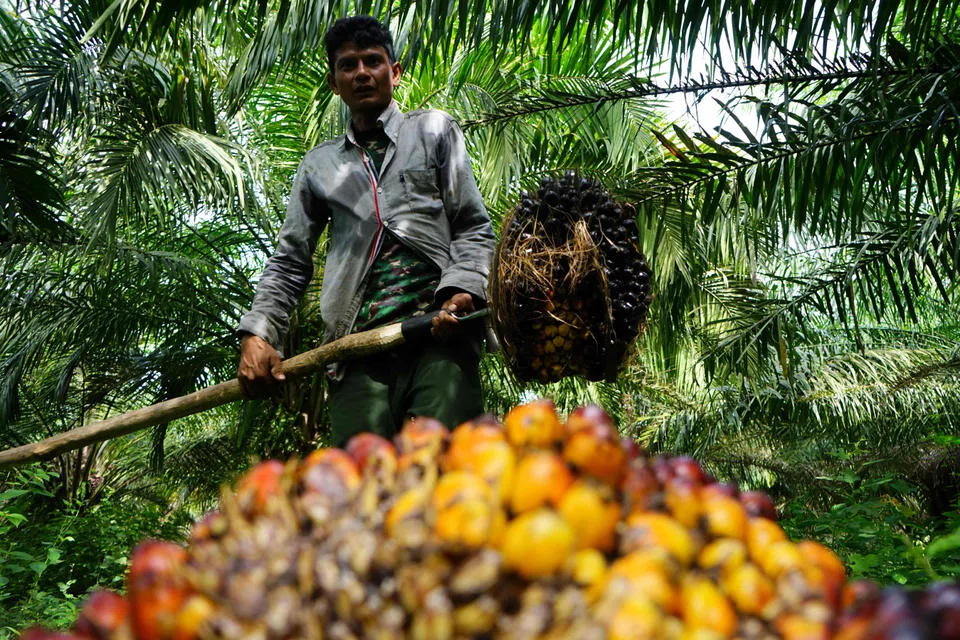
MAJOR exporters of several commodities in South-east Asia are under scrutiny, said Sustainable Fitch in a report on Friday (Feb 3).
This comes ahead of the European Union’s (EU) planned implementation of several directives related to environmental, social and governance (ESG) in the second quarter of this year.
Exporters of coffee, palm oil and rubber are the most exposed in Asia to the overall directives, while emerging markets face the largest exposure to compliance risks, said the ESG arm of credit rating agency Fitch Group.
Some of the largest South-east Asian exports to the EU include coffee from Vietnam, palm oil from Indonesia and Malaysia, as well as rubber from Thailand and Indonesia, according to Fitch, United Nations Food and Agricultural Organization and the European Commission.
Based on the products and commodities covered in the directives, Fitch believes a disproportionate focus is placed on supply chains originating from emerging markets, with Brazil and Indonesia notably affected.
The Corporate Sustainability Due Diligence Directive (CSDDD) was created to address environmental and human rights violations across supply chains resulting from imported products and commodities in the bloc.
As such, the supply-chain due diligence is a tool to mitigate adverse environmental impacts, Fitch said.
However, Fitch noted that criticism of the directive has focused on its associated compliance requirements and costs, as companies will be required to produce due diligence reports for all eligible products.
Regional considerations and differences in supply-chain structures also significantly influence vulnerability to these issues, Fitch said.

“As a result, compliance with the CSDDD will be felt differently across different commodities,” Fitch added.
Due to the prevalence of child labour in smallholder farming, commodities such as cocoa and tea are also likely to feel a greater strain from the human rights requirements under the directive, said the agency.
Decoding Asia newsletter: your guide to navigating Asia in a new global order. Sign up here to get Decoding Asia newsletter. Delivered to your inbox. Free.
Copyright SPH Media. All rights reserved.