One-size-fits-all approach won’t work for early coal phase-out, says ADB director-general
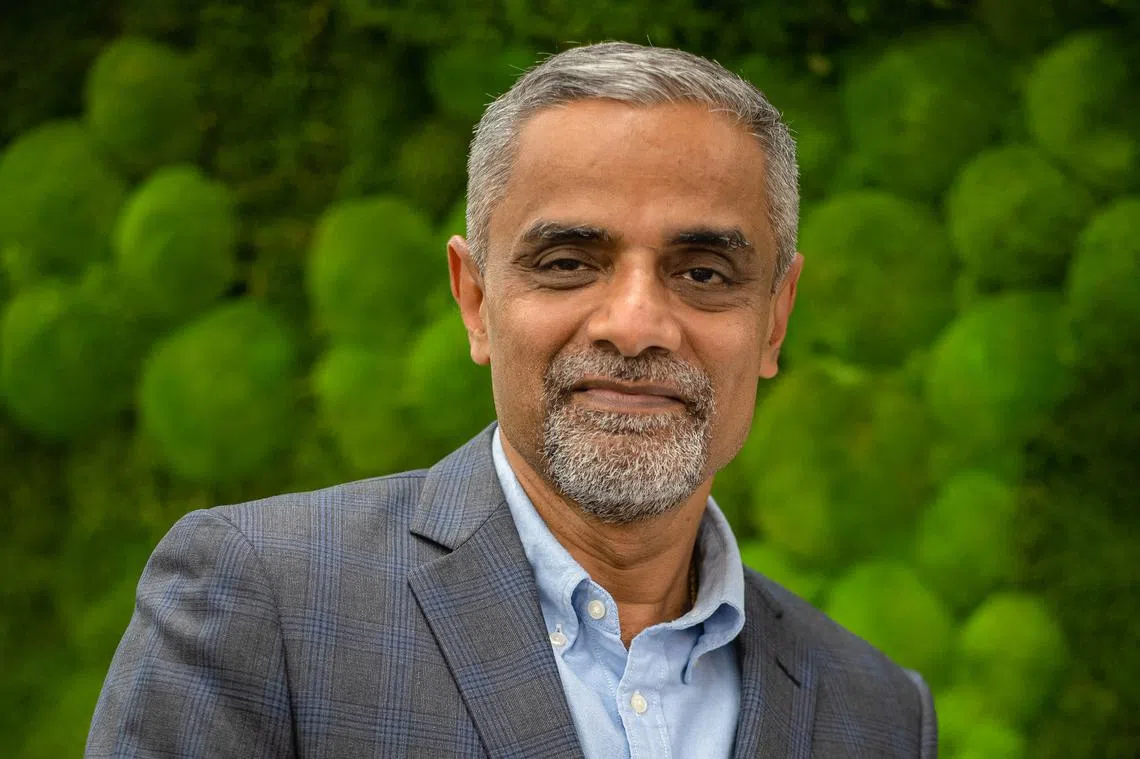
IMAGINE a community’s energy consumption as a two-layered cake, with the chocolate layer at the bottom and the matcha layer on top, says Ramesh Subramaniam, director-general of the Asian Development Bank (ADB) and chief-designate of its sectors group.
If the chocolate part is coal, and the matcha portion is green energy, then the aim of ADB’s Energy Transition Mechanism (ETM) is to replace as much of the chocolate as possible with matcha so that communities in Asia are living on a healthier diet of energy.
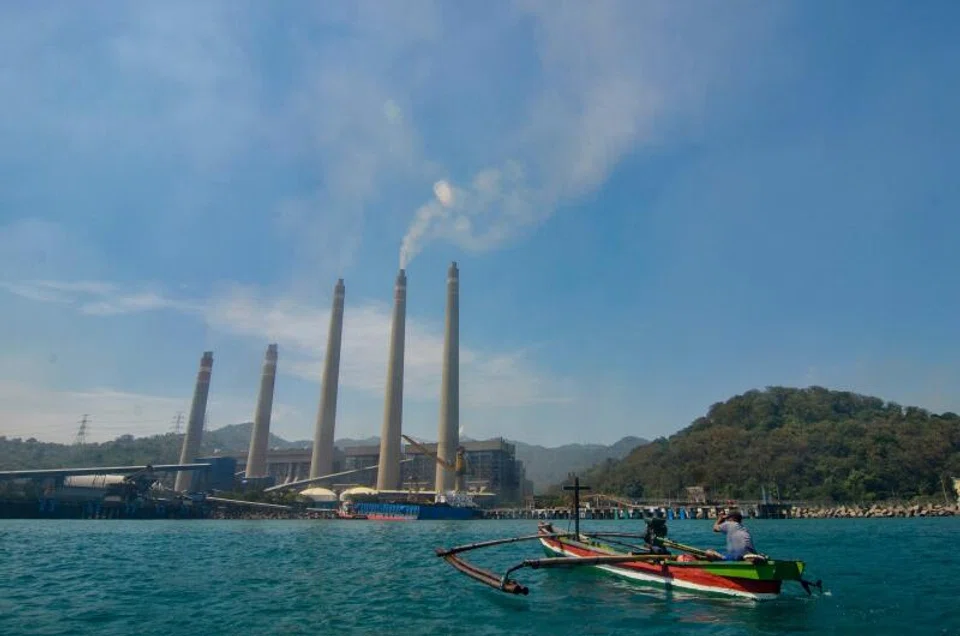
The challenge lies in figuring out how to make that switch and still keep the cake palatable. For instance, a transition plan in Indonesia must focus on how to accelerate the retirement of a very young portfolio of coal plants.
“Context really matters,” Subramaniam tells The Business Times in an exclusive interview on the sidelines of the ADB’s 56th Annual Meeting in Incheon, South Korea.
“We cannot be going in and proposing a one-size-fits-all type of approach. So the strategy or the approach that ADB has adopted is, first of all, to understand the lay of the land.”
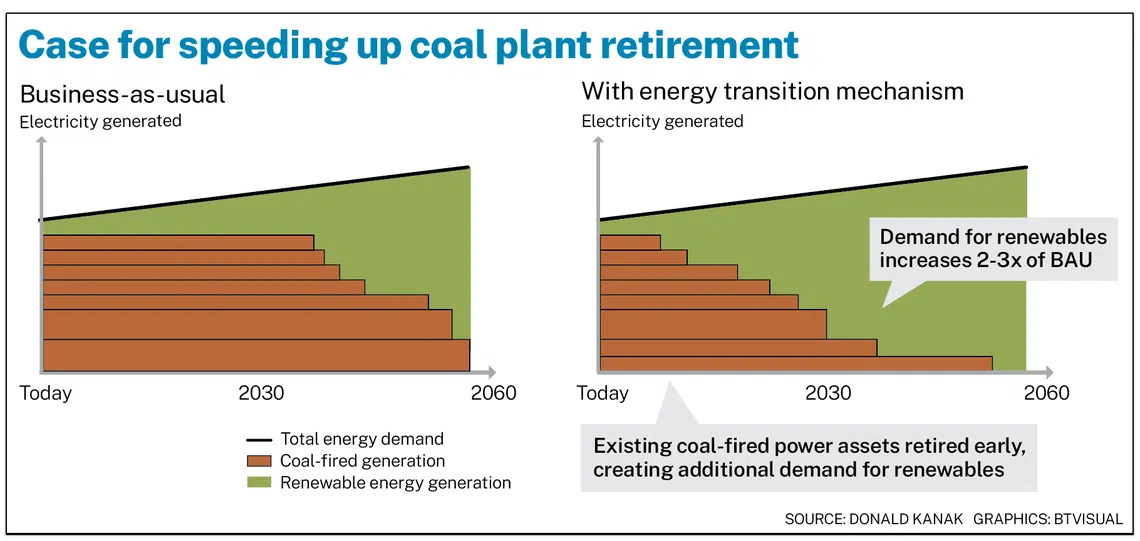
ETM, first launched at the 2021 United Nations Climate Change Conference in Glasgow (COP26), is an initiative to blend private investment funds, public finance and philanthropic donations to buy up or refinance coal power plants, so that they can be retired early and replaced with clean-energy alternatives. Indonesia, Vietnam and the Philippines are its pilot countries.
“Basically, you take a brown coal plant that will stay for another, say 25 years. The idea is to bring that life down to five years, if we can do it. In its place, you input something green that extends for another 50 years or so,” Subramaniam says.
The initiative has borne one fruit so far: A US$250 million to US$300 million refinancing deal for Indonesia’s 660-megawatt Cirebon 1 power plant in West Java to take it out of service 10 to 15 years before the end of its 40 to 50-year useful life.
ADB is now scoping out six to seven coal-fired power plants in Indonesia, Vietnam and the Philippines in anticipation of sealing more deals in the region, Subramaniam says. Each of those plants is being screened for suitability based on affordability, energy security and the “people dimension” – or how livelihoods will be affected.
Detailed scrutiny is important, he explains: “We are talking about billions of dollars of investments that are being made. Any change that we make needs to be first strategised or conceptualised. We need to do deeper diagnostics.”
Large archipelago countries like Indonesia, for instance, rely on different power grids, Subramaniam says. Java’s grid structure is quite different from Bali’s.
Advanced work is also underway to set up a regional ETM facility. Once the facility is set up, the background technical work that ADB has committed to in the three pilot countries will help to identify coal-fired power assets where the money can be channelled towards, he says.
“We have a number of developed countries that have put in significant amounts of either highly concessional money or grant sources,” he lets on.
Role modelling
If ADB can get the ETM right, it could have a “nice model” that ADB intends to replicate elsewhere. Indeed, while ADB might be a trailblazer, the ETM model is “not proprietary” to the multilateral development bank, Subramaniam remarks.
“There is nothing stopping anybody from going in for early retirement,” he says.
Not everyone is a fan of the ETM, however. Civil society network Fair Finance Asia has criticised the initiative for potentially paying “compensation” to coal-operating companies at a highly-inflated rate, among others.
Subramaniam says “compensation” is not the right word; the commercial realities of coal-operating companies cannot be brushed aside.
“Obviously, they put in risk capital, and they need to have a pathway in terms of moving out (of coal)“, he says.
He describes ETM as providing a “clear transition pathway”. Pointing out that ADB received expressions of interest from about 25 coal independent power producers in the wake of ETM’s launch in 2021, he notes: “Many of them were not asking for financial resources.
“They want to be part of the branding, because energy transition is something that everyone is committed to. They wanted the mechanics of how we go about it, and if there is some kind of reasonable facility that is set up, and whether technical assistance can be provided.”