Scientists discover hammerhead shark nursery in Ecuador's Galapagos
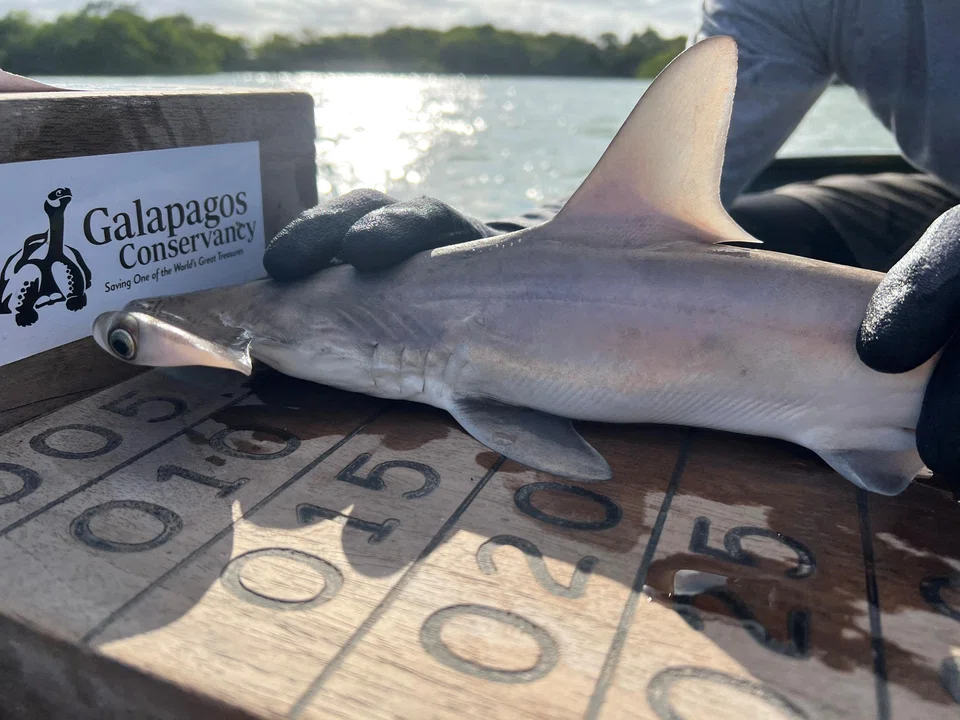
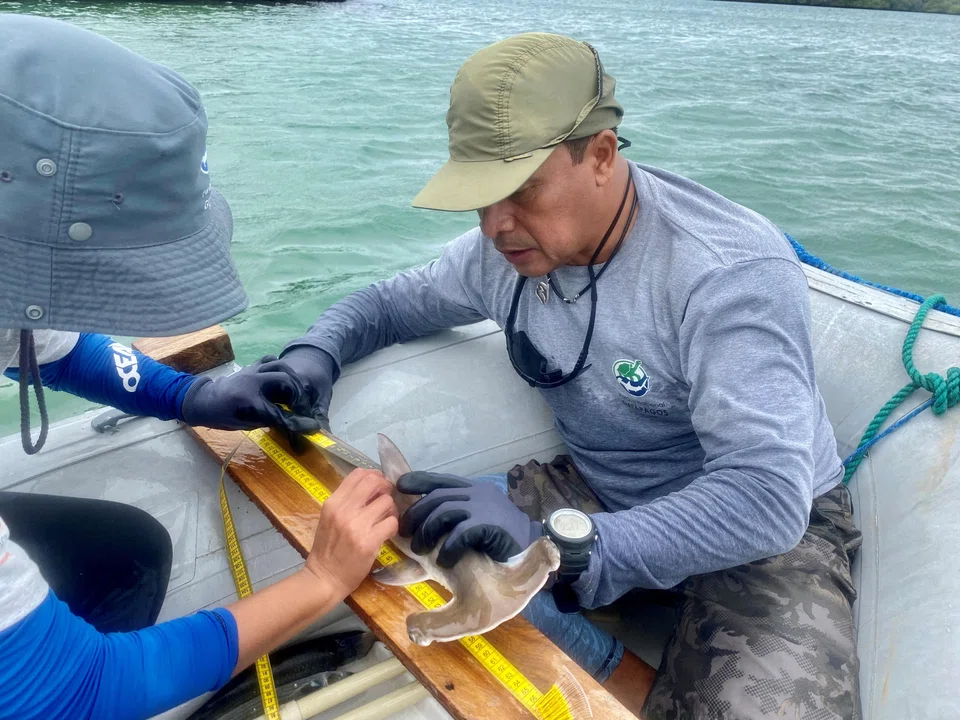
A TEAM of researchers has discovered a nursery of baby hammerhead sharks off an island in Ecuador’s Galapagos archipelago, a finding that could help protect the species from the threat of extinction.
The so-called haven for hammerhead hatchlings, which are less than a year old, was discovered near Isabela Island, the Galapagos’ largest island, and offers refuge for the sharks during mating and early development stages.
“The discovery of these new breeding areas is very important, especially for the hammerhead shark,” said park ranger Eduardo Espinoza on Friday (Dec 16) from the Galapagos National Park.
“It is an iconic species for the Galapagos, but it is in critical danger of extinction.”
The International Union for Conservation of Nature (IUCN) considers the scalloped hammerhead shark, the species found in the Galapagos, as “critically endangered.”
It is largely threatened by commercial fishing and demand for their fins, which are used to make shark fin soup.
Researchers spent months scouring the archipelago for possible nursery sites as part of a hammerhead shark monitoring programme.
Scientists with the national park had previously identified two other locations with similar characteristics on nearby islands.
“We managed to include these nurseries in a list of important areas for shark conservation, a new protection category under the IUCN,” Espinoza said.
Researchers are monitoring the nurseries to track the young shark population in nursery areas and to follow their migration patterns.
The Galapagos Islands with its unique wildlife was critical to British scientist Charles Darwin’s theory of evolution. It is home to many species not found elsewhere such as giant tortoises, flightless cormorants and marine iguanas. REUTERS
Decoding Asia newsletter: your guide to navigating Asia in a new global order. Sign up here to get Decoding Asia newsletter. Delivered to your inbox. Free.
Share with us your feedback on BT's products and services