

Shipping could face shortage of carbon-neutral fuel by 2030, DNV says
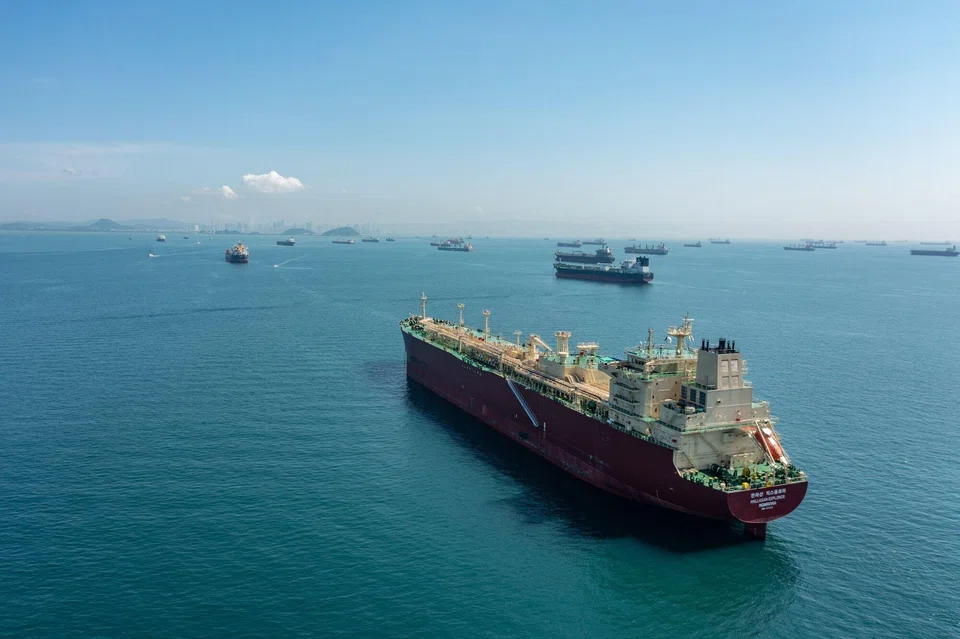
AN expected shortfall in the availability of carbon-neutral fuel means the shipping industry should widen its scope to include onboard carbon capture and nuclear options, Norwegian ship certifier DNV said on Thursday.
The industry has been testing a number of cleaner fuel options, including ammonia and methanol, as well as trialling wind sails in an effort to look for new solutions away from dirtier bunker fuel.
Shipping transports around 90 per cent of world trade and accounts for nearly 3 per cent of the world’s carbon dioxide emissions.
In July, member states of UN agency, the International Maritime Organization (IMO), adopted targets that include an uptake of alternative zero and near-zero greenhouse gas (GHG) fuels by 2030, and a 70-80 per cent absolute reduction by 2040.
In DNV’s scenario, the shipping industry will require about 17 million tonnes of oil equivalent (Mtoe) of carbon-neutral fuels in 2030, representing 30 per cent to 40 per cent of the total expected world supply by then, DNV said in a report.
“A daunting, nearly impossible task considering that other sectors will compete for the same fuel supply,” Knut Oerbeck-Nilssen, chief executive of the risk management group’s maritime division, said in the report.
Order books show demand for ships with dual-fuel engines capable of using LNG, LPG, or methanol has increased, making up about half the tonnage on order this year from a third last year.
Of the tonnage currently in operation, 6.52 per cent can now operate on alternative fuels, up from 5.5 per cent a year earlier.
With expensive carbon-neutral fuels, the industry needs to keep exploring technologies such as wind-assisted propulsion, air lubrication systems, onboard carbon capture currently being tested in full scale, and nuclear propulsion, DNV said.

“There is a potential for a meaningful contribution from onboard carbon capture by 2030,” Eirik Ovrum, lead author of the report, told Reuters.
He added that nuclear applications could start to contribute about 10 years later. REUTERS
Decoding Asia newsletter: your guide to navigating Asia in a new global order. Sign up here to get Decoding Asia newsletter. Delivered to your inbox. Free.
Share with us your feedback on BT's products and services
TRENDING NOW

OCBC customers face difficulties accessing online, mobile banking services

SGX CEO Loh Boon Chye to step down; succession planning under way

Waymo founder predicts ‘landslide’ robotaxi adoption in Singapore, driven by high car costs

Vietnam’s northern provinces, not Hanoi or Ho Chi Minh City, are powering near 10% GDP growth

