Singapore working with banks on blended finance vehicle for climate adaptation
Adaptation projects often receive less attention because they lack commercially viable revenue streams

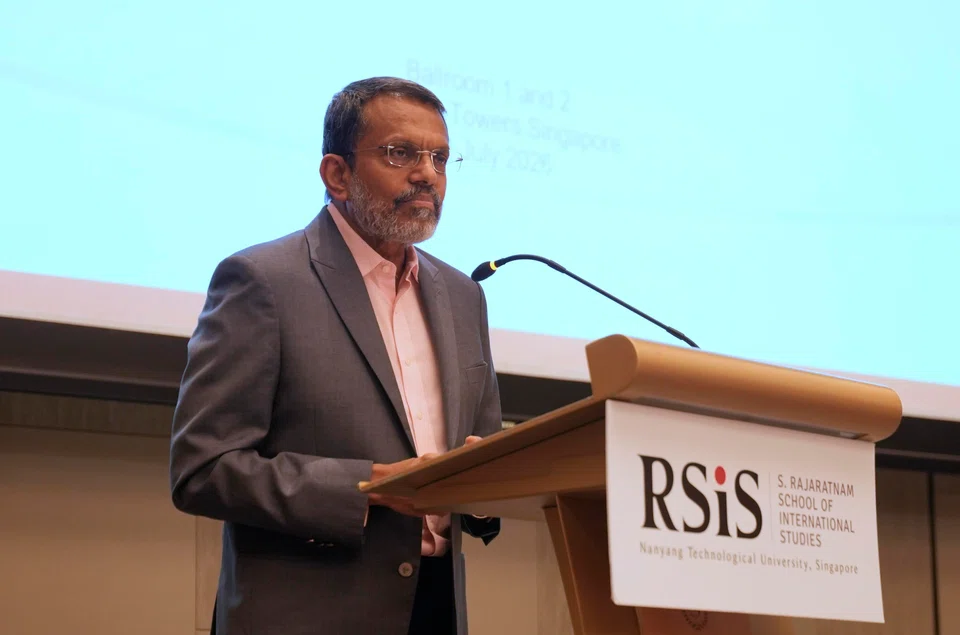
[SINGAPORE] The Singapore government is exploring with private financial institutions to set up a blended finance vehicle to fund climate adaptation projects in South-east Asia, said Singapore’s ambassador for climate action Ravi Menon on Wednesday (July 22).
It will be similar to an existing blended finance initiative under the Monetary Authority of Singapore, known as the Financing Asia’s Transition Partnership (Fast-P), that is looking to raise US$5 billion through a mix of private, public and philanthropic capital to finance energy transition projects.
Climate adaptation – which refers to measures aimed at helping society prepare better for, and reduce vulnerabilities to, climate impacts – has generally received less attention and funding compared with measures aimed at reducing greenhouse gas emissions, which are under the broad pillar of climate mitigation.
One reason is that adaptation projects currently lack commercially viable revenue streams.
Blended finance has been proposed as one capital-raising approach to bridge the climate adaptation financing gap.
It essentially relies on investors with higher risk appetites, such as multilateral development banks, development finance institutions, philanthropists and governments, to provide concessional or catalytic capital to pull in more commercial investors.
SEE ALSO


And Singapore is currently testing out this mechanism with a few banks and other financiers, said Menon, who was speaking at a sustainability conference. “How much are they willing to put in if this amount of risk is covered? Is the rate of return, the revenue stream sufficient for you to come in? And I think there is interest that’s been quite heartwarming, and look forward to to see more progress on that,” he added.
Decoding Asia newsletter: your guide to navigating Asia in a new global order. Sign up here to get Decoding Asia newsletter. Delivered to your inbox. Free.
Copyright SPH Media. All rights reserved.