Greening the ferrous industry
 Add BT as a preferred source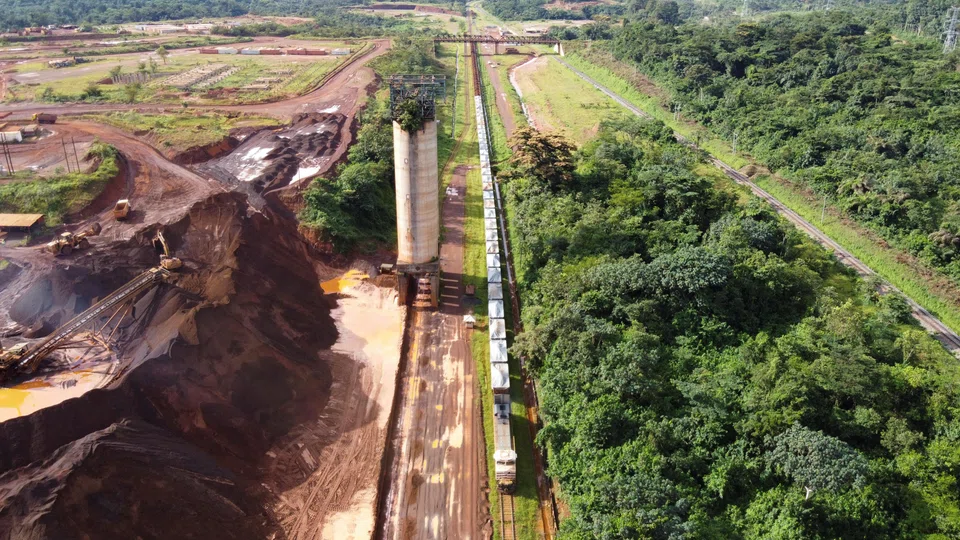
COMMODITIES instinctively come to mind in the age of energy transition and the global sustainability movement. This is to be expected, given the importance of commodities in the real economy and the environmental footprint that accompanies their extraction, production, transportation, usage and disposal/renewal life-cycles.
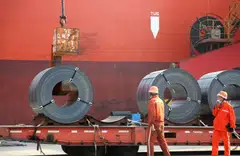
This is particularly true in the case of steel, the world’s most important construction and engineering material. This commodity underpins the backbone of modern civilization – it is needed in basically every aspect of our lives, from cars and washing machines to building construction. Last year, more than 1.8 billion tonnes of crude steel were produced to feed the planet’s voracious appetite for the iron alloy, according to the World Steel Association. Human reliance on steel, and the scale of production reflected in its ubiquity in everyday life, makes it no surprise that steel has long been associated with “dirty” processes that rely mainly on the extraction and processing of fossil fuels in the manufacturing process.
The European Commission estimates that the steel industry is responsible for about 7 per cent of global emissions. While the industry is focusing its efforts towards near-zero emission steelmaking, there is growing consciousness that an acceleration of the decarbonisation pathway directed at greener production techniques is required to meet various corporate, national and global climate targets, while driving economic growth.
Sustainable production
Momentum is gaining towards greener, more sustainable methods of production that target the use of renewable energy sources. Solar, wind and hydropower are being harnessed to power mining and processing operations, reduce reliance on fossil fuels and cut carbon emissions. In addition, the use of biomass in steelmaking is becoming more common, as these materials are a renewable alternative to fossil fuels. Newer technologies are enabling greater energy efficiency in production processes, further reducing the sector’s carbon footprint.
Rising adoption of alternative, lower-emission raw materials in steel production is also moving the needle towards sustainability. An often-overlooked fact about steel is that it can be recycled infinitely: With the increasing reuse of raw material – through melting down steel scrap as an alternative to iron ore – coupled with a rising stock of scrap steel, the emissions profile of the industry is improving. Every tonne of scrap used to make steel avoids the emission of 1.5 tonnes of CO2, World Steel Association data shows.
The ferrous industry is looking to further optimise its supply chains and reduce waste in production. Big data analytics and technologies such as artificial intelligence can and are being deployed to track the use of resources, reduce inefficiencies and cut waste. By strengthening supply-chain efficiencies, the industry can both reduce its carbon footprint while delivering good business sense.
Industry optimism
There are many reasons to be optimistic about the future of the global ferrous industry. The pivot towards sustainability is not only positive for the environment, but also presents significant economic opportunities. As consumers and regulators increasingly demand more sustainable products and practices, companies that prioritise sustainability will enjoy a competitive edge. Nascent technologies, when developed at scale, will allow stakeholders to benefit from cost savings, improved operational efficiency as well as increased profitability over the long term.
Every market participant involved in the intricate commodities trade web – from miners, steel mills, logistics providers to end-consumers – plays a role in demanding a transition towards a greener ferrous industry, with sustainable products made through sustainable practices. Similarly, connecting the capital marketplace by marrying investors to businesses that value sustainability through green initiatives, technologies and ideas will help shape a lower-carbon future.
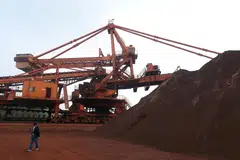
It is with this in mind that SGX Group conceived its annual iron-ore industry gathering a decade ago, where thought leaders can articulate the challenges and opportunities facing the industry. This week, the global community will once again converge for the Singapore International Ferrous Week – bringing together a longer value chain of ferrous, shipping and coal markets – amid a significant pivot towards sustainability, with iron ore at the heart of the transition.
Getting it right requires industry consensus-building, mutual support and focused action. Beyond contributing to positive climate outcomes, we can offer other industries a leading example of what is possible when stakeholders demonstrate a common resolve to drive change.
The writer is executive director and head of commodities at Singapore Exchange (SGX Group). The Singapore International Ferrous Week takes place from May 22 to May 26 at the Sands Expo and Convention Centre.
Decoding Asia newsletter: your guide to navigating Asia in a new global order. Sign up here to get Decoding Asia newsletter. Delivered to your inbox. Free.
Share with us your feedback on BT's products and services