

Technology, economics raise doubt about carbon capture’s promise in Asia

Michelle Quah
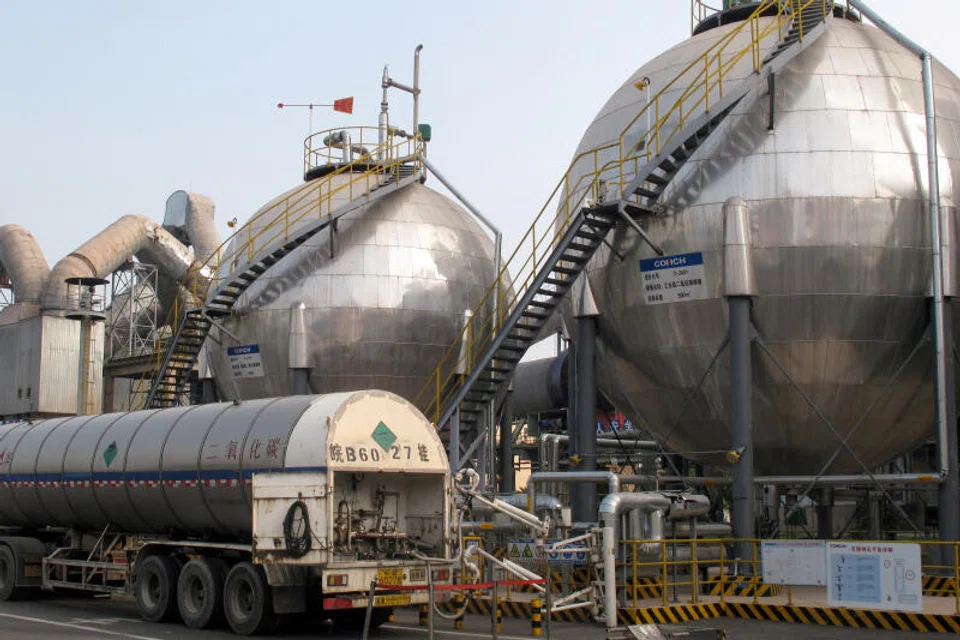
CARBON capture solutions are considered by many governments and corporates to be integral to their attempts to achieving net-zero emissions, but ongoing challenges pose a threat to their advancement and acceptance – and cast a pall on the prospects of investments in such projects.
In South-east Asia, in particular, such challenges come in the form of land scarcity, cost, a lack of regulatory maturity and competition from low-carbon alternatives. This is in addition to issues that plague carbon capture solutions globally, such as the uncertainty of their climate benefits, and current technology being unproven at scale.
“Given existing challenges with regard to technological progress and achieving targeted capture capacity, there is considerable uncertainty for investors whether industrial projects with carbon capture, utilisation and storage (CCUS) will be able, in the long term, to compete with low-carbon alternatives in their respective sectors,” said Kathrin Wartmann, associate director of climate risk at ratings and data provider Sustainable Fitch, in a recent report.
TRENDING NOW

Knight Frank’s Tan Tee Khoon leaves firm, Nicholas Keong takes over auction business
Keppel Energy, Sembcorp Utilities and Tuas Power to supply biomethane in pilot project

GovTech retrenches another 38 staff in second round of layoffs
Take-up of new private homes dives 45% in Q3 as prices accelerate with 1.4% rise

