

UK’s impact investor to invest £1.1 billion towards energy transition in Asia’s emerging markets
Initiative will focus on investments that support emissions reduction in fast-growing countries with coal-based energy networks

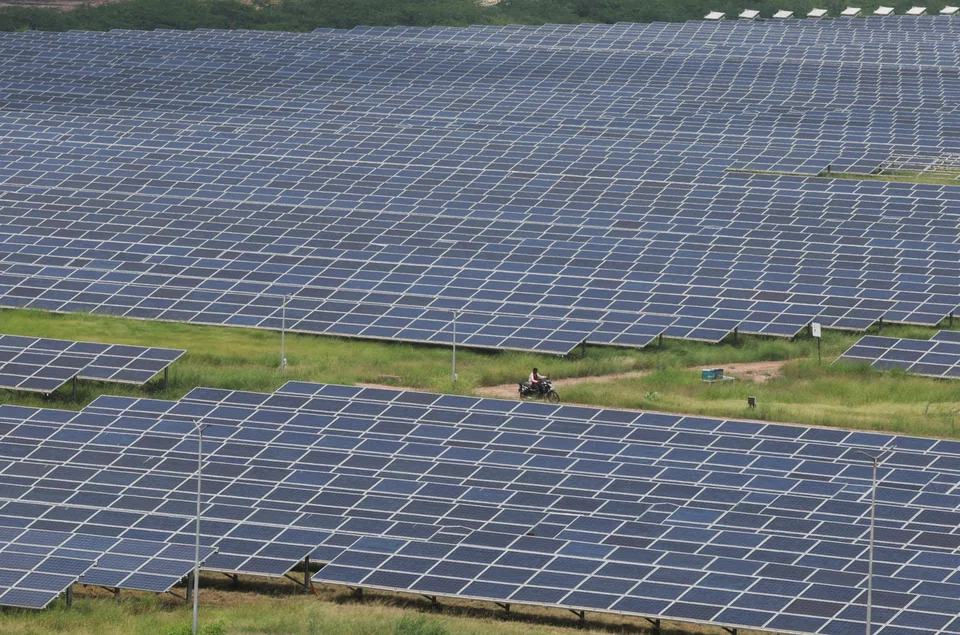
[SINGAPORE] The UK’s development finance institution will be investing £1.1 billion (S$1.89 billion) towards the energy transition in Asia’s emerging markets through a new initiative.
British International Investment (BII) announced on Wednesday (Apr 22) that this new platform, known as British Climate Partners, will work with private investors to deploy capital through a combination of equity platforms and mezzanine finance to scale climate projects, reduce early-risks and potentially offer higher returns to attract commercial investors.
Its chief executive officer Leslie Maasdorp said in a media briefing that BII is currently in discussions with several large institutional investors, including sovereign wealth funds that the UK government have strong relationships with, though have not nailed down the strategic partners that will be part of this new programme.
Out of the £1.1 billion, it aims to deploy between £900 million and £1 billion in equity, while the rest would be structured as mezzanine financing, which is a hybrid combining both debt and equity features. The initiative will focus on investments that will support emissions reduction in fast-growing countries with coal-based energy networks and rising demand for clean energy including India, the Philippines, Indonesia, Vietnam, Thailand, Malaysia and other South-East Asian economies, the release said.
Elaborating more on the potential type of projects they are looking to invest in during the briefing, Srini Nagarajan, managing director and head of Asia at BII, said that it would predominantly be focused around power generation and transmission in the form of strengthening the grid infrastructure.
Decarbonising hard-to-abate sectors, such as steel and cement, would be other opportunities they would look into further into the future.
In the next five years, BII expects that at least 40 per cent of new investments, including those made by the new fund, will qualify as climate finance – up from the target of 30 per cent in the previous five years.
Nagarajan said that Asia’s energy transition will depend on mobilising private capital at scale.
“Through this new vehicle, we’ll use our experience, capital and partnerships to build platforms, de-risk projects and crowd in long-term investment into commercially viable climate opportunities across the region,” he added.
SEE ALSO





BII will also be sustaining the UK’s longstanding commitment to frontier markets in Asia, including Nepal.
It will commit at least 25 per cent of new investments to the least developed countries, where private capital remains scarce and development needs are greatest, over the next five years.
BII will also seek to make “market-level impact” investments that go beyond a commitment to a single company to develop a wider sector or market.
Maasdorp said that development finance is undergoing a structural reset as many governments are fiscally constrained.
With a higher portion of the national budget going towards defence, there is “just no new fresh capital for development”, he added.
However, he said that BII remains well capitalised and prepared to not only deploy capital over the next five years, but also maintain the pace of investment that it had achieved over the previous five years.
Decoding Asia newsletter: your guide to navigating Asia in a new global order. Sign up here to get Decoding Asia newsletter. Delivered to your inbox. Free.
Copyright SPH Media. All rights reserved.
TRENDING NOW

Once staunchly pro-China, Malaysian Chinese businesses are now distancing themselves from Beijing

‘How many will survive?’: Bubble fears arise as China’s humanoid robotics face reality check

Philippine power giant First Gen rebuffs foreign offers, plans up to US$2.6 billion in expansion
Indonesia imposes US$116 million in fines over manipulation of Sinar Mas, Prajogo-linked stocks

