
Working together to bridge the digital divide
StanChart’s cluster CEO Patrick Lee says it is important to ensure that technology functions as ‘a key enabler for social and economic inclusion’
 Add BT as a preferred source
Ilyas Salim
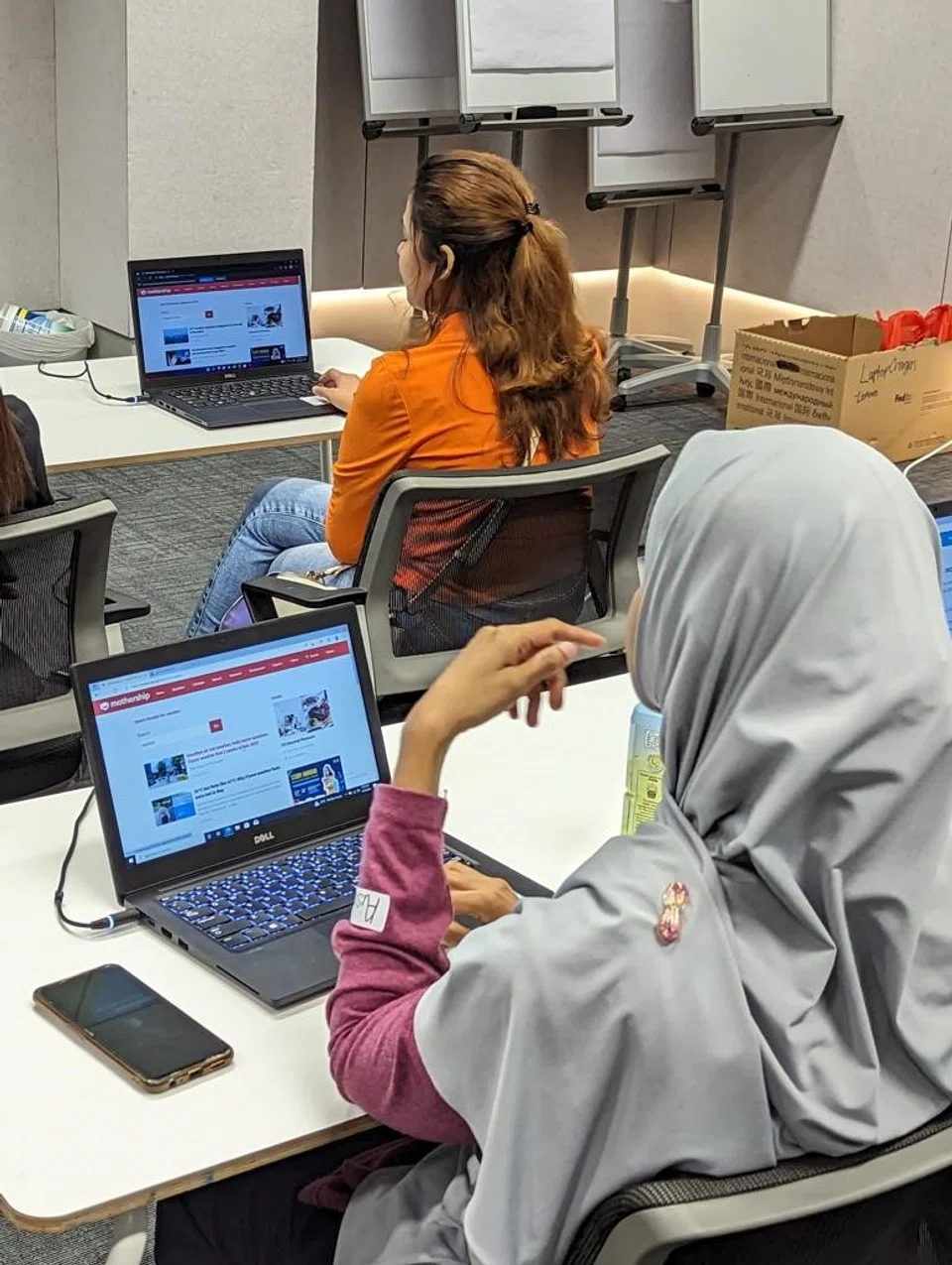
AISHAH, 32, is interested in pursuing work opportunities in the administrative and early-childhood sectors. However, the mother of four has not had much exposure to computers since finishing secondary school.
Through a referral by her social worker, she attended a digital confidence course by non-profit organisation Daughters of Tomorrow (DOT) in January, and joined its IT Literacy programme shortly after.
“Through the IT Literacy course, I was exposed to Google Docs and Google Sheets, and practised working with Google Calendar,” said Aishah. “I also learnt about the importance of data protection and the potential risk associated with using public Wi-Fi networks.”
She has also picked up knowledge useful in her daily life, such as e-mail etiquette, she added. She is now working with her IT mentor to sharpen her skills, and she is also keen on DOT’s advanced IT module and Microsoft Office electives.
DOT’s IT Literacy programme is one of several projects supported by Standard Chartered (StanChart) through its contribution to the Digital for Life (DfL) Fund of the Infocomm Media Development Authority of Singapore (IMDA).
In 2021, the bank donated S$1 million to the DfL fund, which supports digital inclusion projects and activities. The amount was matched dollar for dollar by the government, raising the total amount to S$2 million.
Navigate Asia in
a new global order
Get the insights delivered to your inbox.
Patrick Lee, StanChart’s cluster chief executive in charge of Singapore and Asean markets, said that the contribution has supported seven DfL projects so far, helping beneficiaries to become more resilient and future-ready in the digital economy.
A growing digital divide
Today’s society is increasingly reliant on technology, and the pandemic underscored the importance of adapting to life in a digital era.


Lee said: “From getting a taxi, getting hawkers on board payment systems, and arranging for deliveries, to staying connected through social media, the concept of ‘going digital’ has never been more important than now.
“But for some groups, technology is advancing faster than their ability to adapt.”
DOT’s executive director Fannie Lim pointed out that young women from low-income communities – such as Aishah – represent one such marginalised group. “The digital divide is an existing and widening inhibitor for (these) women to access administrative and office-based roles.”
Lee said it is thus important to narrow the gap before it gets too wide, and to ensure that technology functions as “a key enabler for social and economic inclusion”.
He added that StanChart’s contribution to the DfL fund is in line with its “Futuremakers” community strategy, which aims to support youth education, employability and entrepreneurship.
“Through the DfL movement, we want to help youths and low-income families build resilience and maximise the opportunities made available by the digital economy.”
Maximising opportunities in the digital economy
One of the projects enabled by the DfL fund is the Digital Youth Ambassador (DYA) programme of the Singapore Computer Society (SCS).
The programme aims to support people in recovery and to prepare those aged 19 to 35 for the new digital workforce through skills training by SCS youth volunteers.
The development of digital skills is especially important today for many things, including career advancement, personal organisation, improved communication and a better understanding of security risks, said the SCS.
The organisation’s beneficiaries include ex-offenders from halfway houses who often have difficulties landing a job. The DYA programme supports their re-entry into the workforce by equipping them with digital skills such as digital document management, data security, online scheduling and mobile decluttering.
Working together to amplify social impact
Besides its contribution to the DfL fund, StanChart has participated in the SG “Women In Tech” Corporate Pledge, an IMDA initiative that encourages companies to implement concrete measures to attract, retain and grow the number of women in tech. It is also meant to help more DfL project partners improve their outreach through its own network of partners.
Both DOT and the SCS said that for-profit organisations can provide resources, expertise and funding that enhance the impact of non-profit programmes and services, resulting in greater social impact and improved outcomes for beneficiaries.
The impact of such efforts is not lost on Aishah, who stressed the importance of making digital courses available to more people.
“We need to get access online and be able to know how to start. It is getting harder to get by without having some understanding of technology, and everyone should have the opportunity in their life to learn and grow,” she said.
This article is part of a series on doing good for our community, supported by Standard Chartered Bank.
Decoding Asia newsletter: your guide to navigating Asia in a new global order. Sign up here to get Decoding Asia newsletter. Delivered to your inbox. Free.
Copyright SPH Media. All rights reserved.

