Building smarter systems for what comes next
These Emerging Enterprise Award finalists are turning complex problems into scalable businesses across infrastructure, commerce, insurance and healthcare

THE next wave of growth is being shaped as much by the systems behind businesses as by the products customers see.
That is evident across this group of five Emerging Enterprise Award finalists, whose businesses span building inspections, artificial intelligence (AI) data centre infrastructure, regional brand expansion, insurance claims and regenerative medicine.
Their approaches differ, but each is using technology, specialised expertise or new operating models to tackle increasingly complex demands and create room for growth beyond its home market.
Now in its 19th year, the Emerging Enterprise Award, jointly organised by The Business Times and OCBC, recognises young businesses across Asia for innovation, resilience and sustainable growth.
The 2026 awards are supported by preferred payment solutions partner Mastercard, official auditor RSM Singapore, A*Star, Enterprise Singapore and Paia from CBRE.
Giving buildings a spatial memory
Alpha AI Technology uses drones, robots and spatial AI to make building inspections faster and more precise
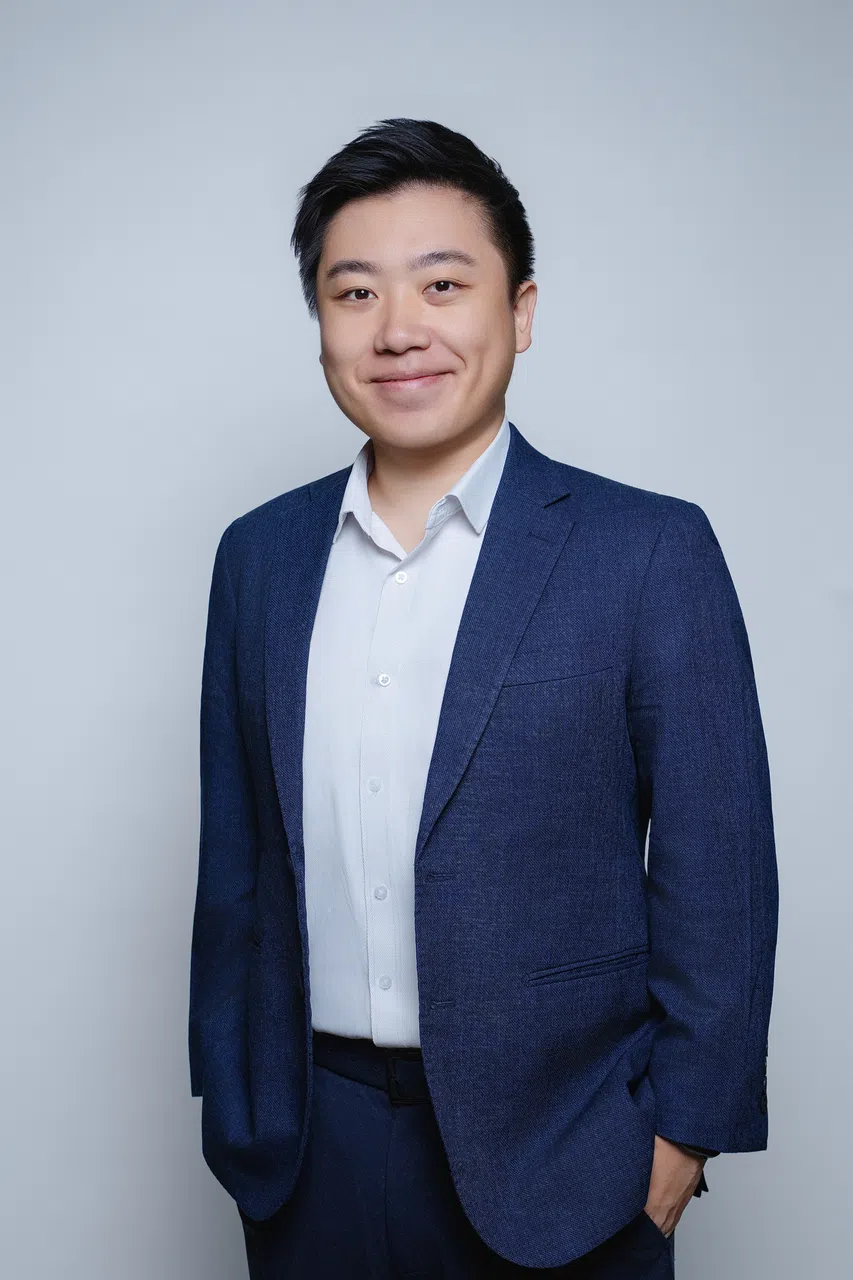
Building inspections can be slow, labour-intensive and difficult to compare over time. In Hong Kong, facade inspections have traditionally involved gondolas or scaffolding, with engineers manually reviewing thousands of photographs before producing a report.
We founded Alpha AI Technology in Hong Kong in 2021 to change that.
Our spatial AI works with drones, robot dogs and 360-degree cameras to capture buildings and infrastructure, turning the data into 3D digital twins where defects can be located, measured and tracked over time.

Our work now extends from building facades to confined spaces such as lift shafts, tunnels and ceiling voids. The aim is not simply to collect more images. Building owners want to know what needs fixing, exactly where the problem is and whether it has worsened since the last inspection.
That insight pushed us beyond defect detection. Our platform combines autonomous capture, AI analysis, 3D reconstruction and reporting, while retaining information from earlier inspections so engineers can monitor changes over the longer term.
We are also developing a coordinate-based 3D map where every building, floor and defect has a fixed position that robots can return to.
Singapore is one of our priority markets, alongside further opportunities in Thailand and South Korea.
Labour shortages and ageing building stock are also increasing the need for technology that lets one engineer oversee work that previously required a larger team. Our goal is to augment the engineer, rather than replace one.
Over the next three to five years, we want to build a continuously updated spatial record of the built environment, with autonomous robots gathering information and AI determining where inspections should focus next.
Building data centres for the AI era
Hyperscale DCS designs modular infrastructure for the higher power and cooling demands of AI
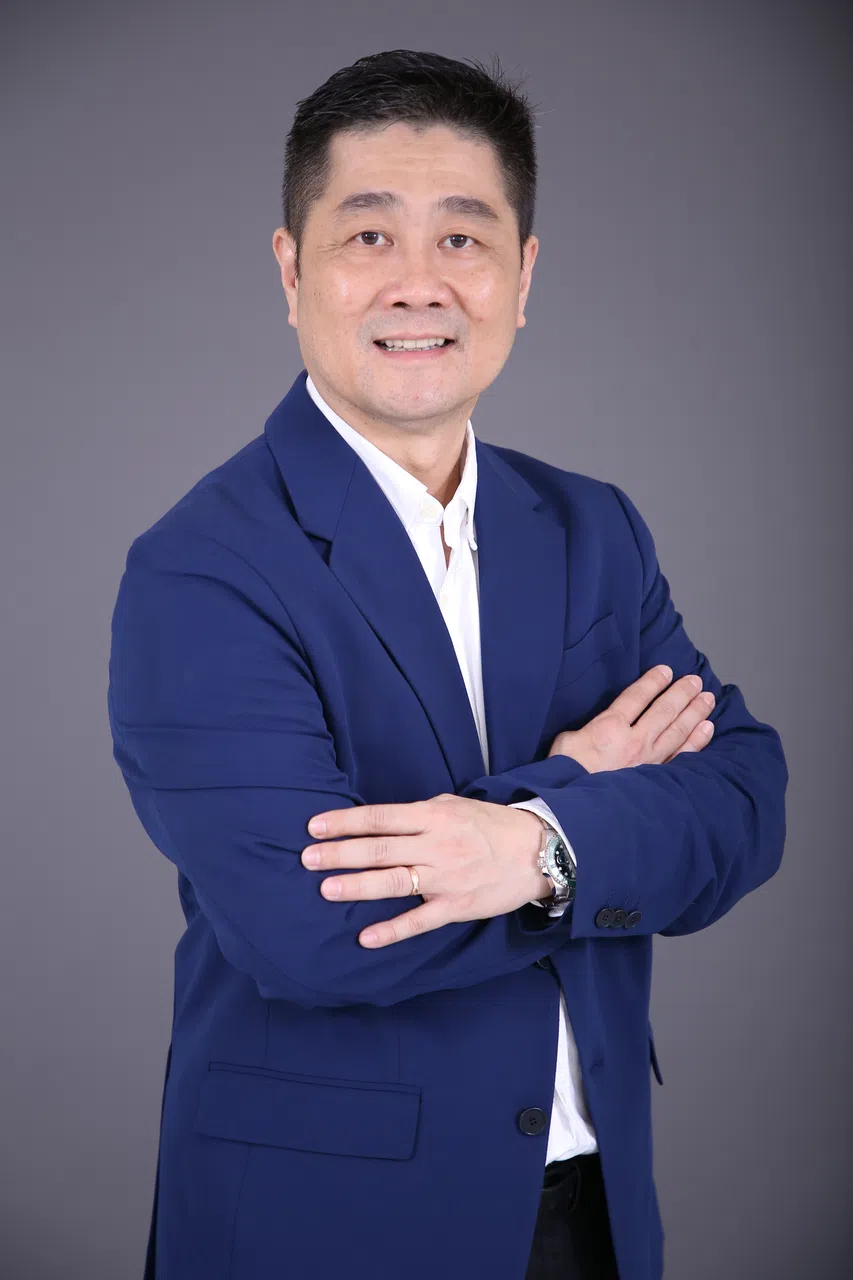
AI is changing what data centres need to deliver. Server racks are becoming denser, cooling requirements more demanding and deployment timelines shorter, putting pressure on the conventional way facilities are built.
Hyperscale DCS was established in 2022 to address that shift.
Drawing on more than 30 years of engineering experience within the team, we design mechanical and electrical infrastructure for hyperscale and AI data centres, with an installation base of more than 200 megawatts.
Our work spans power, cooling and containerised data-centre systems for customers across South-east Asia and beyond.
A key part of our approach is prefabrication. Instead of carrying out every stage of construction on site, systems can be designed, manufactured and tested in a controlled environment before being delivered for installation, giving operators a more standardised and modular way to add capacity while maintaining quality and reliability.
Our capabilities cover the journey from assessment and engineering design to equipment selection, installation, commissioning and lifecycle support. We are developing modular power train units, cooling plants and high-density air and liquid cooling systems to meet the requirements of newer AI infrastructure.
Keeping pace with this market is one of our biggest challenges.
Changes in power density, cooling and networking mean our engineers must keep learning while working closely with technology partners and customers. That has reinforced the importance of investing early in modularisation, standardisation and technical talent.
We are now expanding across Asia-Pacific, while building on project experience in the United Kingdom. Over the next few years, our aim is to make faster, repeatable and energy efficient deployment a defining part of how next-generation data centre capacity is built.
Taking South-east Asian brands beyond borders
Katalis AI helps growing consumer brands expand across markets – without building large teams

Before Katalis AI, I was the customer we serve today.
I spent years building consumer brands and running campaigns across more than 26 countries with a five-person team. That experience taught me that building a good product is difficult, but taking it beyond its home market can be even harder.
Indonesia, Malaysia and Singapore have different consumers, platforms and economics. Large companies can hire local teams, agencies and specialists. Most growing brands cannot.
That was why we started Katalis in 2024. What began as a growth service has evolved into an intelligence engine combining AI with human judgement across strategy, organic, paid and social channels. We have worked with more than 80 brands across Indonesia, Singapore and Malaysia.
One question shaped that evolution. After looking through data from platforms such as Shopee, TikTok Shop, Meta and Shopify, founders would still ask: “So what should I actually do tomorrow?”
We realised they did not need another dashboard. Instead, they needed a decision, and the ability to execute it.
That led us to build AI agents around recurring problems we encountered ourselves. NIKO analyses what is happening across markets and platforms; LARA helps decide and execute how to acquire demand; and CARA supports affiliate and creator management.
The aim is not to replace our people, but to give them more capacity to focus on strategy, creativity and judgement.
Our next priority is to deepen our presence in Singapore and Malaysia while strengthening Indonesia, and to bring these agents together into a unified growth system.
The company we are building is the infrastructure we once wished we had ourselves: technology, local intelligence and execution capabilities that can give strong South-east Asian brands a path from local success to regional, and eventually global, scale.
Removing the friction from insurance claims
MediConCen is using agentic AI to make insurance claims faster, smarter and more seamless
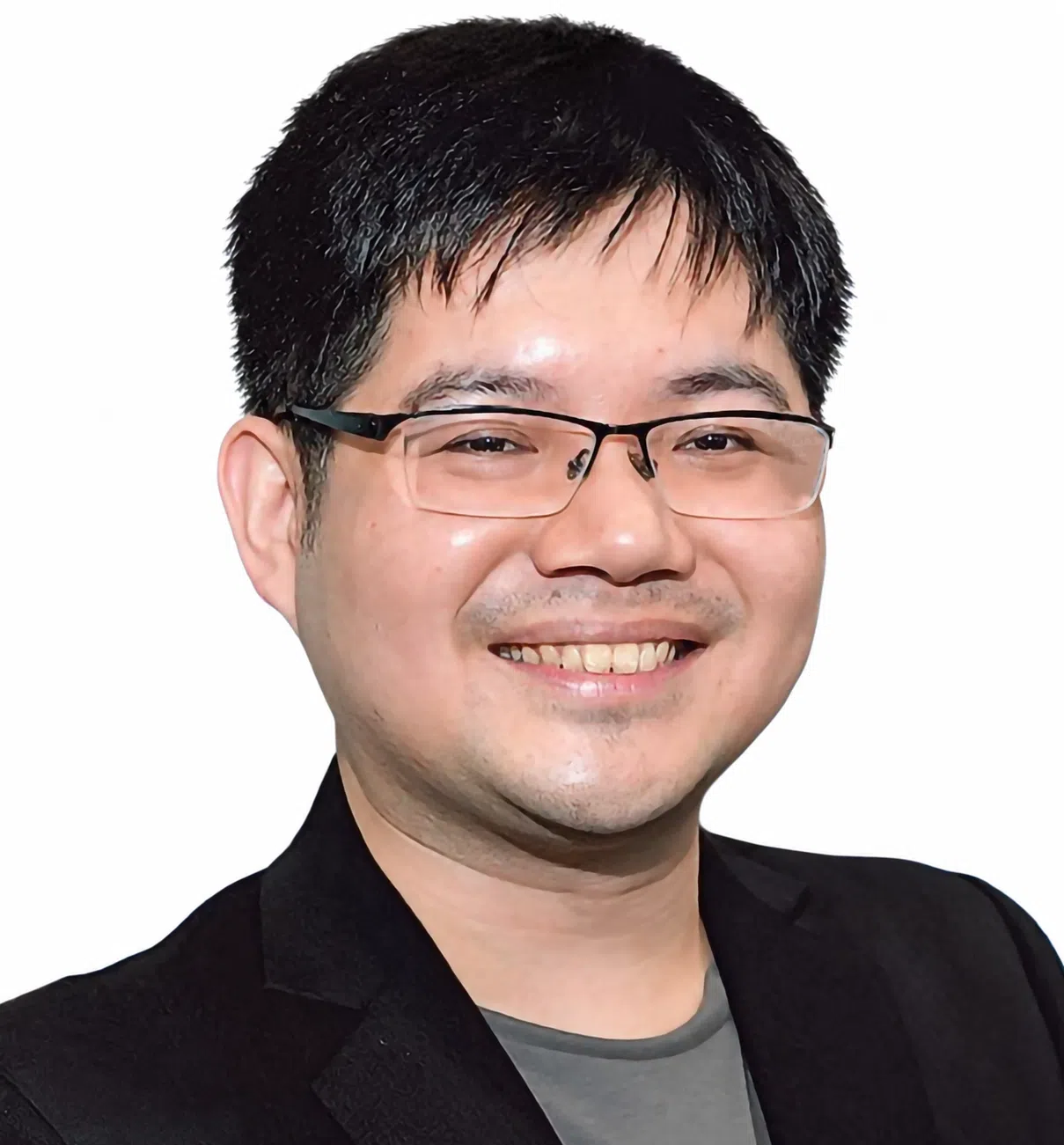
Insurance claims have traditionally been slow, manual and paperwork-heavy. When we founded MediConCen in Hong Kong in 2018, our goal was to change that by connecting insurers and healthcare providers through transparent digital networks.
That ambition has since grown. Today, we provide an agentic AI operating system that automates claims decision-making, fraud detection and end-to-end workflows, while connecting insurers with medical networks.
We now work with more than 25 major insurers worldwide, reaching more than 2.5 million policyholders across markets including Hong Kong, mainland China, Saudi Arabia, Indonesia, Malaysia and Vietnam.
What differentiates us is the breadth of what we automate. Rather than focusing only on data extraction or workflow routing, our technology covers much of the claims process.
Our proprietary AI engines can achieve 99 per cent field-level data extraction accuracy – a capability highlighted in a Google global case study – while also helping insurers detect fraud, waste and abuse.
Building trust has been one of our biggest challenges. Large financial institutions are understandably cautious about using technologies such as AI and blockchain for core operations.
We learnt that strong technology alone is not enough. It has to be combined with insurance expertise, risk management, data security and measurable results. Our solutions have helped customers cut processing times from days to hours and improve customer satisfaction by 30 per cent.
We are now expanding across South-east Asia and the Middle East, while taking our agentic AI capabilities into underwriting, sales automation and health coaching. Our partnership with Mastercard is also helping us bring payments and claims closer together.
The goal is to make insurance claims almost invisible to customers, with decisions handled quickly, transparently and with minimal friction.
Putting trust at the centre of regenerative medicine
Medicas brings regenerative and precision medicine into physician-led care

My interest in regenerative medicine grew from spending time with orthopaedic specialists across Malaysia.
I saw patients regain mobility after osteoarthritis treatment and watched multidisciplinary teams manage difficult diabetic foot ulcer cases, even as many advanced therapies remained perceived as costly or uncertain.
That convinced me there was room for a company that could make promising science more accessible without compromising on safety, evidence or ethics.
Medicas was incorporated in Malaysia in 2017. Today, we work primarily with doctors, clinics and medical centres, supplying products spanning regenerative medicine and precision diagnostics.
These include umbilical-cord-derived mesenchymal stem cells, secretomes, exosomes and natural killer cells, alongside other health and diagnostic solutions.
What matters to us is not simply putting products into clinics. We assess laboratory quality and clinical suitability, train our team and clinicians, support implementation, and gather feedback and follow-up outcomes.
Our commercial team has biotechnology and biomedical backgrounds, allowing us to have more technical conversations with doctors.
That approach reflects one of our biggest lessons: Regenerative medicine is scientifically complex and can attract both excitement and scepticism.
Trust cannot be built by overstating what a product can do. We need to be clear about the evidence, transparent about limitations and respectful of doctors’ clinical judgement.
Our immediate focus is strengthening specialist adoption in Malaysia, while expanding selectively through partners into markets such as Singapore, Indonesia and Cambodia.
We are also developing our precision diagnostics and healthy ageing offerings, alongside more structured clinical pathways in areas including orthopaedics and wound care.
Over the next three to five years, I want Medicas to become a trusted Asian platform for responsible regenerative and precision medicine. Growth will matter, but so will the quality of our partnerships and the confidence clinicians place in the science we bring to them.

Decoding Asia newsletter: your guide to navigating Asia in a new global order. Sign up here to get Decoding Asia newsletter. Delivered to your inbox. Free.
Copyright SPH Media. All rights reserved.