

Primustech teaches buildings to ‘think’
Its artificial intelligence-powered solution, AiBE, is the first purpose-built LLM for facility management

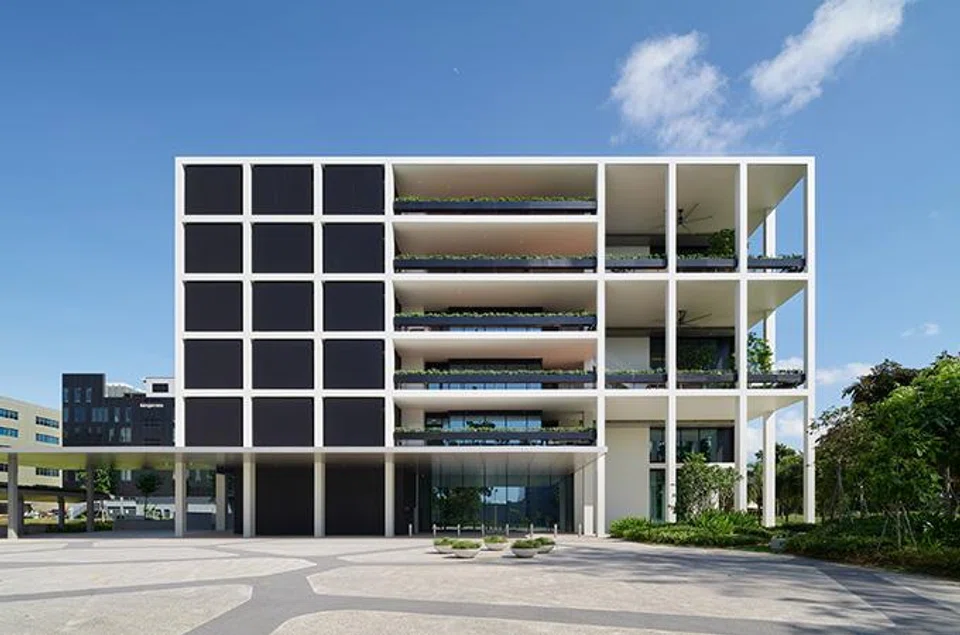
[SINGAPORE] The facility manager’s daily reality is rarely glamorous. Scattered across multiple software platforms, buried under maintenance manuals, equipment logs and compliance documents, they are expected to make fast, accurate decisions about buildings that never stop generating data.
All that, however, could become a thing of the past with AI for Built Environment (AiBE), an artificial intelligence (AI)-powered large language model (LLM) solution built specifically for facility management.
Developed by Singapore-based Primustech, it is the first purpose-built LLM for facility management, trained on domain-specific data across building systems, workflows, compliance and maintenance management, rather than adapted from a generic AI platform.
Primustech is a digital master systems integrator, dedicated to optimising the performance, sustainability and efficiency of built environments.
AiBE is organized into three modules: Scholar, Operator and Dweller.
Scholar is a document vault that supports standard operating procedure retrieval, troubleshooting guides, certification tracking and knowledge contribution. Its intended users include technicians, staff and new hires; its business value lies in faster document access, preserved institutional knowledge and reduced onboarding time.
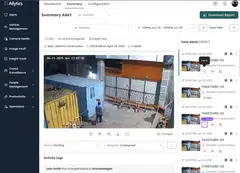
Operator focuses on real-time building management system (BMS) and computerised maintenance management system (CMMS) querying, work order management, system controls, data visualisation, cross-building analytics and monthly reporting for facility managers, operations heads and engineers.
Dweller addresses tenant-facing workflows such as tenant requests, car park management, AC extensions, facility bookings, community engagement and visitor registration, with the stated aim of improving tenant satisfaction and enabling self-service convenience.
From needs to solutions
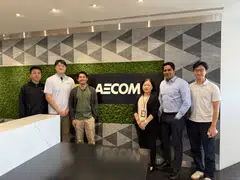
AiBE was developed through a design-thinking process rooted in fieldwork. Primustech said that it conducted in-depth interviews and shadowing sessions with facility managers, technicians, operations heads and tenants across commercial and mixed-use buildings.
SEE ALSO




From this, it mapped four primary personas – Technician, Facility or Operations Manager, Executive and Tenant – and converted qualitative feedback into pain-point clusters, such as system fragmentation; data and document overload; workforce knowledge loss; and poor access to historical records.
These findings shaped AiBE’s architecture: Information overload was mapped to Scholar, operational complexity to Operator and tenant friction to Dweller.
Primustech also chose an LLM-plus-retrieval-augmented-generation, API-first architecture because users wanted “one conversational front door” without replacing legacy BMS and CMMS systems, and it adopted a modular deployment model so organisations could start with one module and expand later without rework.
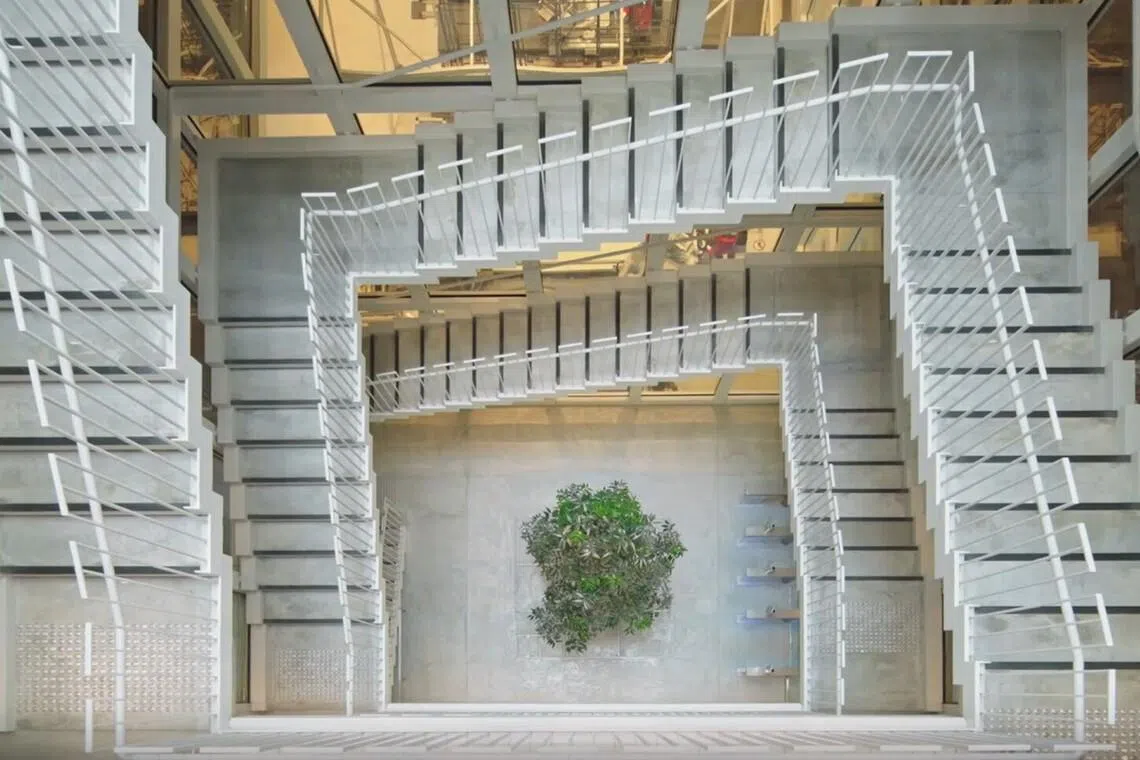
The commercial validation comes from The Gear, a smart building in Changi Business Park that served as both an early adopter and a live testing ground.
AiBE was used to address fragmented building system knowledge, dispersed operational documentation and slow decision-making across staff.
Results from this deployment showed 30 per cent quicker issue resolution, onboarding workflows improving from 20 to five minutes, 600 staff hours saved yearly, and about S$46,000 in annual savings from time saved and rework avoidance.
Primustech also reported faster document retrieval; the controlled test showed a reduction from about seven minutes to half a minute while maintaining quality.
On sustainability, Primustech projects energy savings of 8 to 12 per cent through predictive optimisation, and has integrated carbon tracking and Green Mark reporting into the platform road map.
The ethical framework prioritises explainability, keeping human decision-makers in control rather than delegating authority to automated systems.
Decoding Asia newsletter: your guide to navigating Asia in a new global order. Sign up here to get Decoding Asia newsletter. Delivered to your inbox. Free.
Copyright SPH Media. All rights reserved.






