

Turning sustainability into a competitive business advantage
Emerging Enterprise Sustainability Award judges share how proactive ESG strategies can become a catalyst for growth, transformation and resilience

Panellists:
- Iris Ng, head, emerging business and commercial banking cash Singapore, OCBC
- Sumit Khurana, senior vice-president, small and medium enterprises, Asia-Pacific, Mastercard
- Irene Cheong, assistant chief executive (innovation & enterprise), A*Star
- Dennis Lee, partner, business consulting, RSM
- Corrado Forcellati, executive director, head of Paia from CBRE
- Geoffrey Yeo, assistant managing director, Enterprise Singapore
Moderator: Dylan Tan, Editorial Projects Editor, The Business Times
Beyond basic ESG compliance, what specific qualities distinguish an emerging enterprise with genuine, long-term sustainability impact?
Iris Ng: What sets true sustainability leaders apart is proactivity and commitment. They don’t wait for regulations or stakeholder pressure to act. They take ownership, start early, and stay the course. They proactively identify where their most significant environmental or social impacts lie, whether in energy consumption, waste management, supply chain practices, or workforce well-being, and take early steps to address them. Equally important is their commitment to the long-term journey. These businesses recognise that sustainability is not a one-off initiative but an ongoing effort that requires investment, perseverance, and continual improvement.
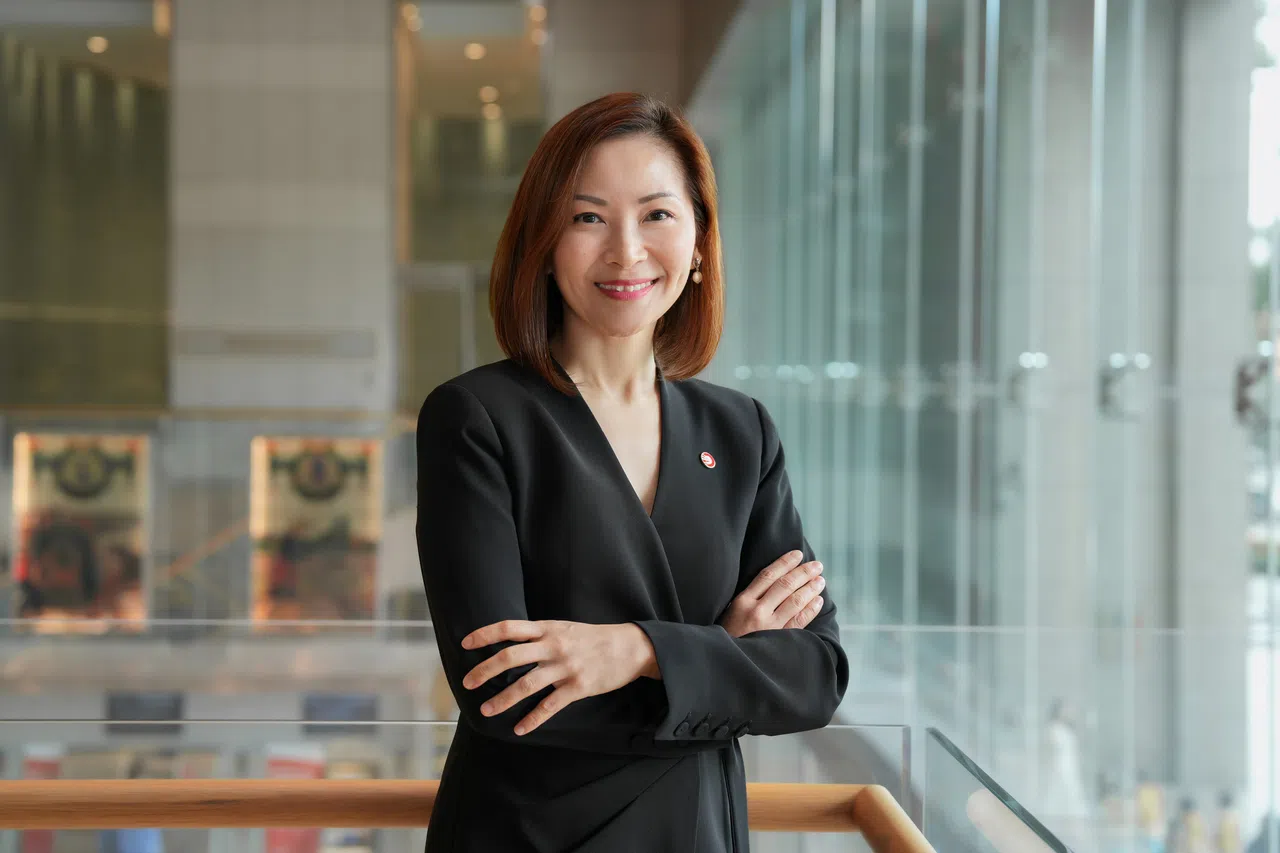
They set clear goals, track progress, and remain dedicated even when results take time to materialise. Just as importantly, they are transparent about challenges and willing to adapt and improve along the way. In our experience, this combination of proactivity and commitment is a strong indicator of an enterprise that will create meaningful and lasting sustainability impact.
Dennis Lee: What we often see in companies with high potential is the right combination of “raw materials”. These companies have an understanding that long-term sustainability impact starts with why sustainability matters to the business, not simply what it requires.
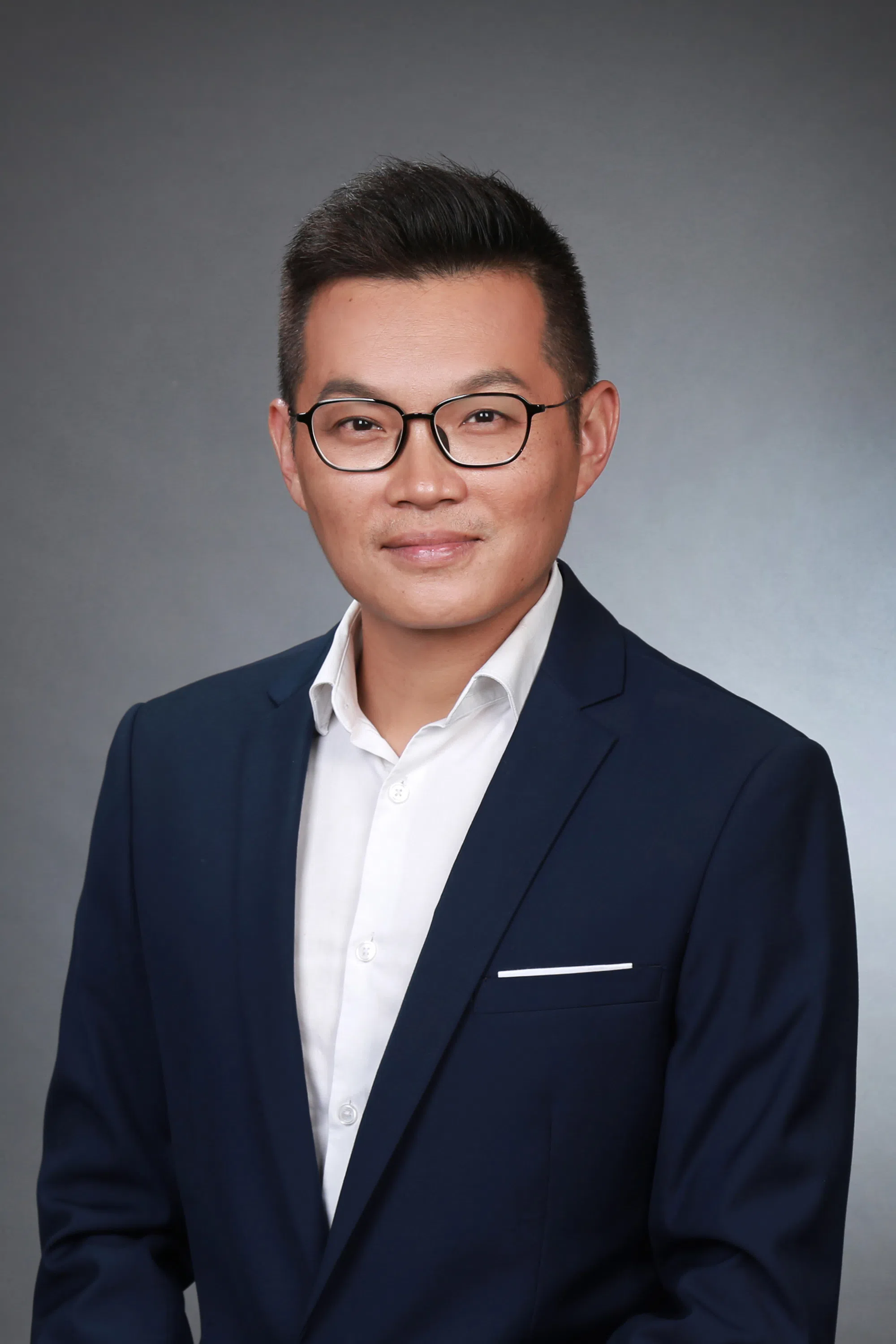
These businesses also recognise the implications for resilience, long-term value and continued market relevance. This view places sustainability at the heart of the organisation’s values and strategy, making it central to the business’ future.
Sumit Khurana: The true test of sustainability is whether it remains a priority when conditions become challenging. Businesses with genuine long-term impact do not pursue sustainability because they have to. They do so because it strengthens their ability to compete, innovate and grow. Last year, at Mastercard’s inaugural Asean Inclusive Growth Summit, there was strong recognition that growth must be resilient and shared, with the “people, planet, profit” mindset becoming increasingly important for businesses across the region.
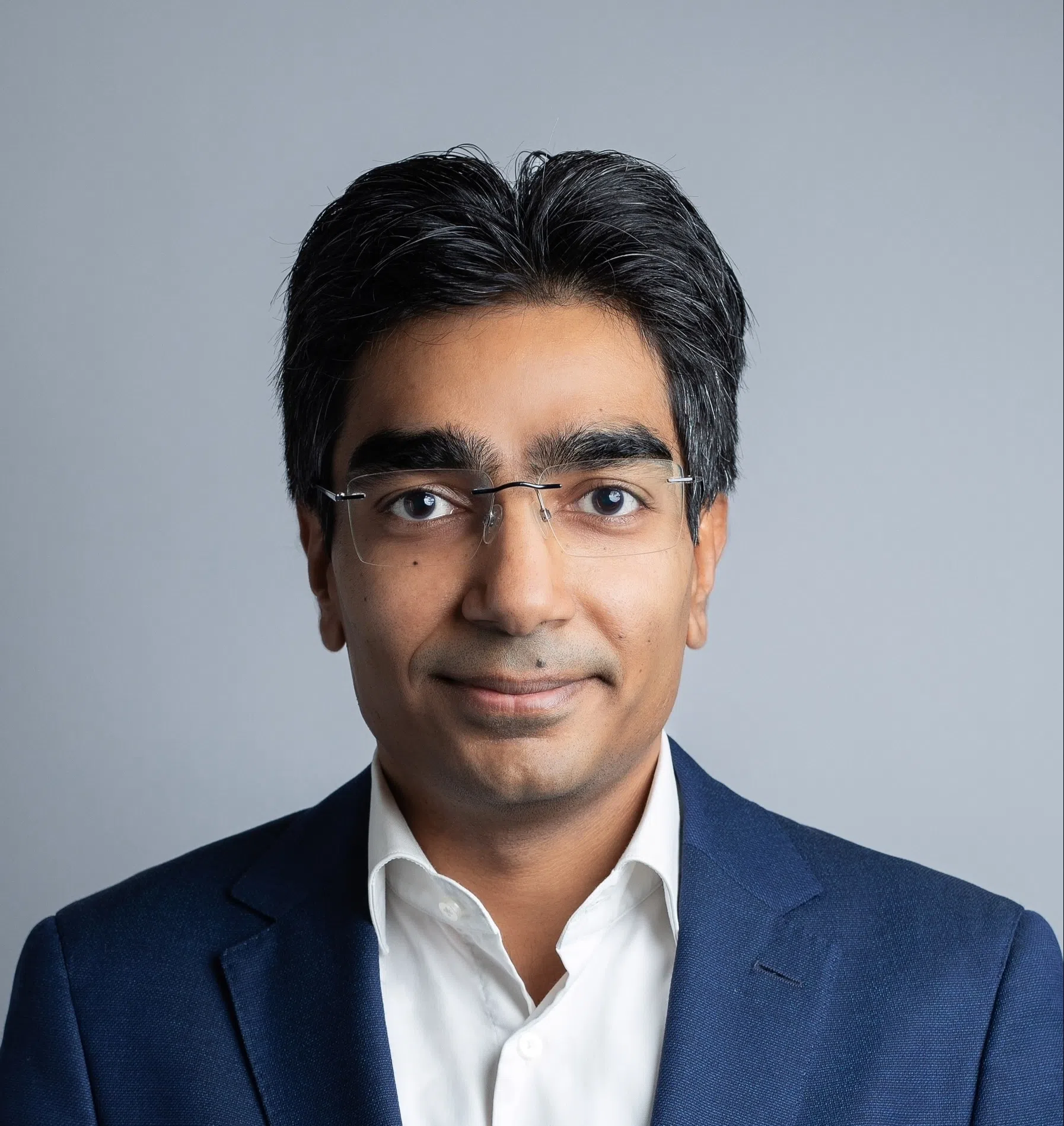
For SMEs, the most compelling sustainability strategies are those that create value on multiple fronts, whether through greater operational efficiency, stronger stakeholder trust, heightened talent attraction, or access to new opportunities. The enterprises that stand out are those that can show both business performance and meaningful impact, proving that sustainability and growth are mutually reinforcing rather than competing priorities.
Irene Cheong: The enterprises that create lasting sustainability impact are those that view sustainability not as a reporting requirement, but as a catalyst for innovation and business transformation. They embed sustainability into how they design products, operate their businesses and create value for customers.

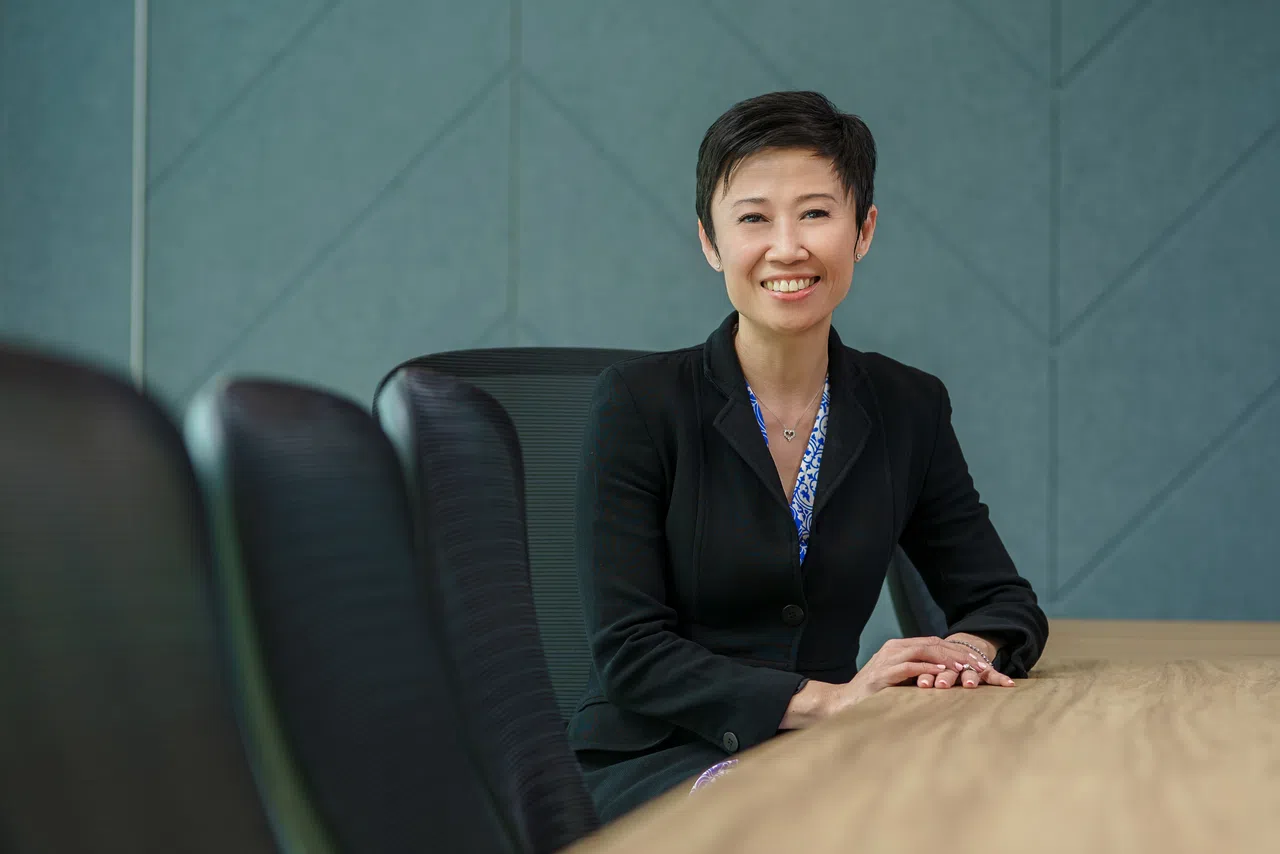
Just as importantly, they think about how their solutions can be implemented and adopted at scale. A promising idea only creates real impact when it works in practical settings and can be sustained over time. The strongest enterprises combine ambition with execution, building the partnerships, capabilities and business models needed to turn good ideas into meaningful results.
Corrado Forcellati: Usually, I’m telling our clients that sustainability as compliance tells you what happened. Sustainability as a discipline helps you identify and manage risks and opportunities. That gap separates emerging enterprises doing the minimum from those building competitive advantages.
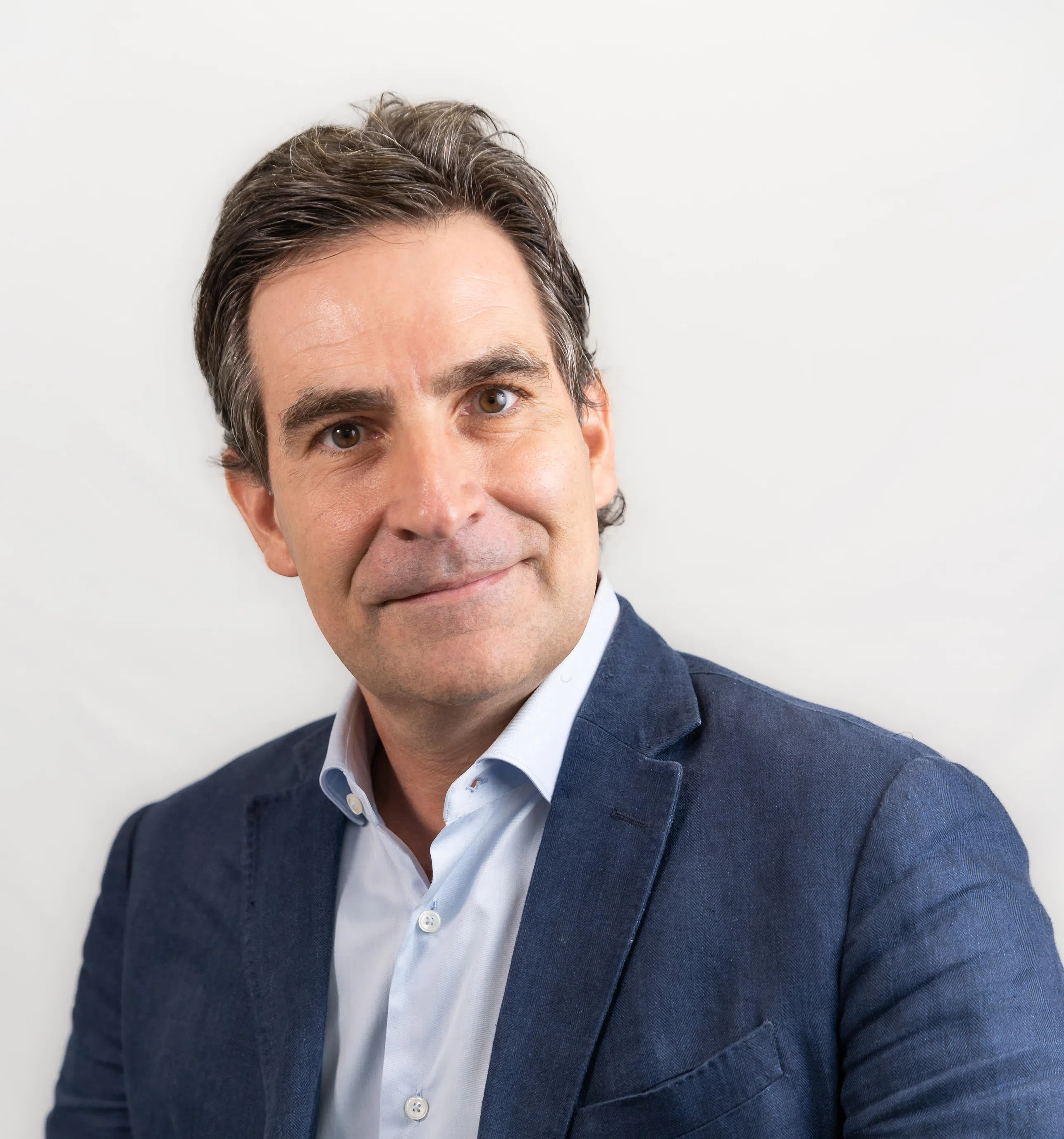
Sustainability is not a badge you wear. It is a decision-making muscle you build. Emerging enterprises with genuine impact set specific targets, disclose progress even when it falls short, and hold the line when budgets get tight.
Geoffrey Yeo: Enterprises that create meaningful, long-term sustainability impact are those that embed sustainability at the core of their business model, and is closely integrated as part of their strategy, governance and decision-making. Such enterprises see their sustainability proposition as being a key driver to business growth, innovation, and long-term competitiveness.

When sustainability becomes part of a company’s DNA, it strengthens the company’s ability to adapt to evolving stakeholder demands, regulatory requirements and future risks and disruptions, enabling it to deliver tangible impact and long-term value for employees, customers and investors.
How can small businesses make meaningful green investments without straining cash flow or overextending operations?
Ng: Cash flow concerns often arise when businesses try to do too much at once. A more practical approach is to treat green investments like any other capital expenditure decision, starting with initiatives that have a clear business case and payback period.
Measures such as energy-efficient equipment or LED lighting can deliver savings relatively quickly, helping to build both confidence and budget for the next phase. For larger investments such as solar installations, financing solutions such as OCBC Solar Financing can help spread the upfront cost over time and ease pressure on their cash flow. Businesses that do well are usually the ones that start small, see the results, and then build on them rather than trying to do everything at once.
Lee: For SMEs, the most practical approach to sustainability applies a simple sequence: Eliminate, Consolidate and Reduce (“ECR”). An ECR assessment should be undertaken before committing to significant investment. First, businesses should reduce activities or consumption that add little value (eg unnecessary consumption of utilities). Next, businesses should look for ways to consolidate processes, resources or supply chain to achieve greater efficiency.
What remains can then be addressed through targeted measures such as energy efficiency, waste reduction and lower-emission alternatives. This sequence lets SMEs pursue sustainability without compromising financial discipline. Better still, cost savings can help fund larger future green investments.
Khurana: Sustainability does not always require large capital commitments. Many SMEs can start with practical measures that deliver both environmental and financial benefits, such as improving energy efficiency, digitalising workflows, reducing waste or optimising logistics and resource consumption.
The key is to approach sustainability the same way they would any business investment. Start with incremental improvements, linked to measurable commercial outcomes. When sustained over time, these often deliver meaningful impact without creating undue pressure on the business.
Cheong: Small businesses do not need to pursue sustainability through large, one-off investments. A more effective approach is to focus on targeted initiatives that improve both environmental performance and business outcomes, such as enhancing energy efficiency, reducing resource consumption or adopting productivity-enhancing technologies. These improvements can often generate savings that help fund future investments. Equally important is leveraging partnerships and ecosystem support rather than building every capability internally.
At A*Star, we work with companies to identify and adopt innovations that address operational challenges while advancing sustainability goals, helping them evaluate opportunities and focus resources on initiatives that deliver the greatest impact. For many SMEs, meaningful progress comes from a series of practical, well-prioritised steps that deliver measurable results and build momentum over time.
Forcellati: I would say start where the return is fastest. Energy efficiency, waste reduction and smarter procurement typically deliver measurable savings within 12 to 24 months. Grants and green financing can offset upfront costs. However, the most durable investment is capability.
Yeo: For SMEs, “green investments” must make business sense. It’s about finding opportunities that can deliver both sustainability and business outcomes. This can include practical sustainability measures and initiatives that reduce costs through energy efficiency or waste reduction, improve productivity or lower environmental impact.
Enterprise Singapore encourages businesses to take a step-by-step approach, leveraging our available tools, programmes and partnerships to build capabilities progressively, before moving on to develop more comprehensive plans to integrate sustainability into their business strategies. Sustainability should not be viewed as an additional cost burden, but as a means to boost resilience, enhance competitiveness and capture new opportunities in the growing green economy.
What emerging sustainability trend or regulation will pose the greatest disruption, or opportunity, for SMEs over the next few years?
Ng: If I had to pick one trend, it’s the growing importance of sustainability-related information. We’re seeing more customers, lenders and larger companies considering these factors in their decision making. While it may not be a requirement for most SMEs today, businesses that are able to provide this information are increasingly finding themselves at an advantage.
The opportunity is for SMEs to get ahead of the curve. Those that start tracking a few key sustainability metrics now will be better placed to respond to customer requests, strengthen their competitiveness and stand out from their peers when new opportunities arise. Those that wait until they’re asked may find themselves playing catch-up.
Lee: Artificial intelligence and digitalisation present a double-edged proposition for SMEs, offering significant sustainability related opportunities while introducing new forms of risks. Applied well, these technologies can convert fragmented data into actionable insights, identify operational inefficiencies and quantify sustainability related risks and opportunities.
However the downside is heavier reliance on technology which can unlock concerns around data quality, cybersecurity, privacy, and the reliability of AI-generated outputs. For SMEs, the challenge is to realise the benefits of digitalisation and AI while establishing appropriate levels of governance to mitigate their associated risks.
Khurana: One of the biggest opportunities for SMEs over the next few years will be building the capability to measure and report their carbon footprint. As larger companies face increasing sustainability disclosure requirements, they are looking downstream to their suppliers and partners, which means greater visibility into emissions data and sustainability practices from the SMEs they work with.
Businesses that can provide credible sustainability data will be better positioned to participate in supply chains, strengthen customer relationships and potentially access green procurement and financing opportunities. Our perspective is that sustainability can become a source of competitive advantage and long-term growth, not simply an obligation. Singapore’s recent Green 100 initiative is a good example of how the ecosystem is helping SMEs take practical first steps in this area. Ultimately, I believe the winners will be those that see sustainability reporting not as a box-ticking exercise, but as a tool to better understand their operations, identify efficiencies and demonstrate value to customers, partners and investors.
Cheong: One of the biggest shifts for SMEs will be the growing integration of sustainability into procurement, investment and supply-chain decisions. Companies will increasingly be expected to understand and manage sustainability performance across their operations and value chains. While this may introduce new requirements, it also creates opportunities for businesses to differentiate themselves and access new markets. More importantly, it is driving demand for new products, services and technologies that support sustainable growth.
Increasingly, sustainability will be less about compliance and more about innovation. Businesses that can turn sustainability challenges into solutions for their customers will be best positioned to capture emerging opportunities and create long-term value.
Forcellati: I believe that supply chain disclosure is the sharpest pressure point. Large enterprises facing mandatory Scope 3 reporting are passing data requests directly to their suppliers. A sustainability brochure will not satisfy that request. Verified data will. The TR 149:2026 and the Green100 movement are Singapore’s direct response, with large enterprises like CBRE Singapore each committing to onboard at least 100 SME suppliers, partners and customers onto basic sustainability reporting.
CBRE Singapore’s Queen Bee role puts us inside that structure, actively pulling our SME network. Emerging enterprises and SMEs that build real sustainability capability now, in their data, their people and their processes, gain preferred supplier positioning. Those treating sustainability as something they wear rather than something they practice will be re-evaluated at the next contract renewal.
Yeo: For SMEs, disruption may not come from direct regulation, but from corporate customers, financial institutions and global supply chains demanding climate disclosures and supply chain traceability from their suppliers. SMEs that measure, verify and report their sustainability performance will be better positioned to not only meet their existing customers’ procurement requirements, but also differentiate themselves and secure new contracts.
SMEs will also increasingly need to manage the risks of climate change – especially those associated with higher temperatures, rising sea levels and extreme weather events that could affect their business operations, infrastructure or supply chains. SMEs can mitigate such climate risks by investing in climate resilience measures and incorporating climate resilience into their business continuity plans. Building these sustainability capabilities early can be a source of competitive advantage for SMEs and help build long-term resilience.
How should growing businesses effectively measure and communicate the financial value of their sustainability initiatives to sceptical stakeholders?
Ng: Stakeholders are usually looking for evidence, not promises. The simplest approach is to track what a sustainability initiative has delivered, whether that’s lower electricity bills, reduced operating costs, less waste, or new business opportunities. If a customer chose you because you could provide sustainability data, that’s a measurable business benefit too.
It also helps to frame sustainability as a business decision, not just an environmental one. More customers today are asking suppliers for sustainability information as part of their procurement requirements. You don’t need a lengthy sustainability report to demonstrate value. A few relevant numbers, tracked consistently over time and tied back to business outcomes, will often carry more weight with customers and investors than broad sustainability claims.
Lee: A simple way of demonstrating the financial value of sustainability is through applying the Plan, Do, Check and Act (“PDCA”) approach. Businesses should first define what they want to achieve and how success could be measured. The value created should then be communicated in clear terms, whether through realisation of cost savings, emissions avoided, or the amount of resources conserved. Sustainability outcomes can also be incorporated into product information, websites or other customer-facing channels. This creates more impact to the visibility of such programmes and helps make a clearer link between sustainability efforts and business returns.
Khurana: Ultimately, stakeholders expect evidence of impact, not just aspirations or intent. Businesses should focus on demonstrating measurable outcomes and the value created through such initiatives. This includes quantifying efficiency gains such as cost savings, as well as demonstrating stronger customer relationships and better risk mitigation. For example, if a manufacturing firm reduces waste in its production process, it can quantify and present both the environmental impact and the resulting savings from lower material and disposal costs. SMEs should also assess risk early on and ensure this is communicated to stakeholders, building credibility and reinforcing sustainability as a business priority rather than an expense.
Cheong: The most compelling sustainability stories are grounded in business outcomes. Companies should demonstrate how sustainability initiatives contribute to operational efficiency, productivity, cost savings, risk management or new revenue opportunities. Stakeholders are more likely to support these efforts when they can see a clear link to business performance and long-term value creation. It is also important to communicate progress consistently and transparently, using data to demonstrate measurable results over time.
To support this, businesses can draw on capabilities such as Life Cycle Assessment (LCA), to better understand and quantify the environmental impact of products, services and systems. At A*Star, we help companies apply these assessments to measure sustainability performance, identify areas for improvement, and communicate the impact of their sustainability efforts more credibly to customers, investors and other stakeholders.
Forcellati: Sceptical stakeholders respond to numbers. Translate sustainability performance into metrics they already track. For example, cost reduction, retention, contract win and risk. In Singapore, furthermore the newly launched Technical Reference (TR) 149:2026 gives emerging enterprises a credible and standardised framework to disclose sustainability performance.
Yeo: To measure and communicate the value of sustainability efforts to stakeholders, businesses should frame sustainability in terms of a clear business value proposition. The linkages between sustainability and business value can be demonstrated by sharing measurable outcomes and metrics – such as cost savings from energy efficiency, reductions in resource consumption and waste or improvements in productivity. Sustainability reporting can also strengthen transparency and credibility, helping businesses to demonstrate tangible impact, build investor confidence and unlock sustainability financing opportunities. Ultimately, sustainability is more compelling when it is presented not as a separate agenda, but as a strategy that creates long-term value for the business and its stakeholders.
Decoding Asia newsletter: your guide to navigating Asia in a new global order. Sign up here to get Decoding Asia newsletter. Delivered to your inbox. Free.
Share with us your feedback on BT's products and services






