Digitalising the agricultural supply chain, from farm to fork
Besides distributing fresh produce, Glife Technologies lets buyers track its journey

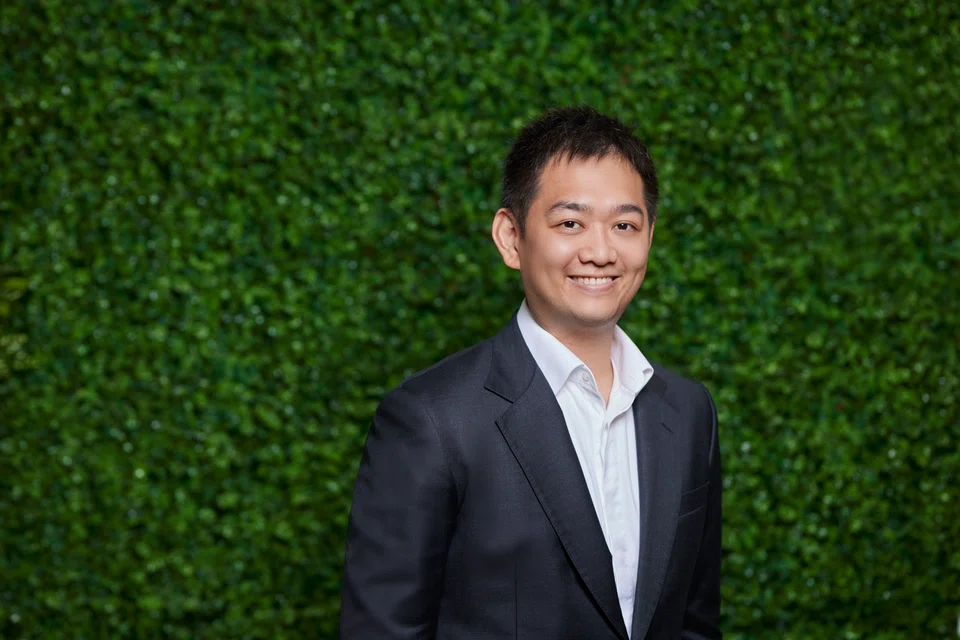
A SINGLE ingredient can pass through as many as five hands before ending up in a meal – but Glife Technologies wants to simplify this journey. The home-grown produce logistics company brings fresh ingredients directly from farm to fork, using technology to provide transparency and traceability.
The idea for Glife came when co-founder and chief executive officer Justin Chou was running vegetarian restaurant chain Greendot in 2011. It was hard to obtain consistent supplies of quality produce, and prices fluctuated frequently.
“I was very curious as to where my fresh produce was coming from. That’s actually why and how we started Glife,” Chou told The Business Times.
He decided to go to the source: the farmers themselves. He soon realised that they were getting the short end of the stick, as they had to go through multiple middlemen before their produce was sold to food and beverage (F&B) businesses, and thus had lower profit margins.
“It’s a laborious process. There’s also no proper food safety or cold chain management in place, which results in a lot of food wastage,” he said.
This spurred Chou to set up Glife Technologies with business partners Caleb Wu and Wayne Goh in 2018. The company buys fresh produce directly from farmers to sell to restaurants, cutting out middlemen from the supply chain and allowing farmers to retain more profits. It procures supplies mostly from Malaysia and Indonesia.
One of Glife’s key missions is to digitalise the agricultural supply chain from start to end, especially given the traditional nature of fresh produce wholesale distribution, which is very “bricks-and-mortar, pen and paper-driven”, said Chou.
Glife developed GlifeWare, a suite of end-to-end integrated digital solutions, which includes an enterprise resource planning system, warehouse management system and transport management system. These systems allow restaurants to keep track of logistics and inventory, and provide better visibility over prices.
Today, Glife serves about 3,000 F&B merchants and over 1,000 farmers across South-east Asia. It expanded to Malaysia in late 2021 and Indonesia early this year, though the majority of its customers are from Singapore.

Growing during the pandemic
During Singapore’s “circuit breaker” period in 2020, Glife’s revenue fell by 70 to 80 per cent as dining in was not allowed, said Chou. But the company was quick to pivot, building a consumer-facing ordering platform to cater to growing online demand for fresh produce. It made 300 to 400 deliveries a day during that period, leading to some of Glife’s “most profitable months”, Chou noted.
Following Singapore’s easing of restrictions, however, the company shut down its consumer platform and shifted back to fully concentrating on their business-to-business (B2B) segment. “Restaurants are back to business, and we also see that traditional players have increased their capacities dramatically,” said Chou.
Besides supporting F&B operators, Glife began working with farmers in Bali in January to diversify into different kinds of produce such as watermelon, to meet demand from other Indonesian regions.
The lack of foreign tourism in the last two years has badly hit Bali’s agricultural sales, said Chou. “The consumption patterns and produce needed in Bali is very different from Jakarta, which is more localised. So the farmers in Bali were very used to growing more high-value Western fresh produce.”
The large volumes involved made it possible for Glife to adopt a contract farming model – where a prior agreement is made between buyers and farmers – with the Balinese farmers. This ensures that the latter are paid a base price to recover their farming costs, while profits are split evenly with Glife.
“Contract farming is not new. But the willingness to go to the farmer and explore a fair trade model with them is less seen in this industry, as the middlemen usually try to squeeze every single buck from the farmers,” said Chou, adding that these farmers are now paid at least 30 per cent more.
Beyond distribution
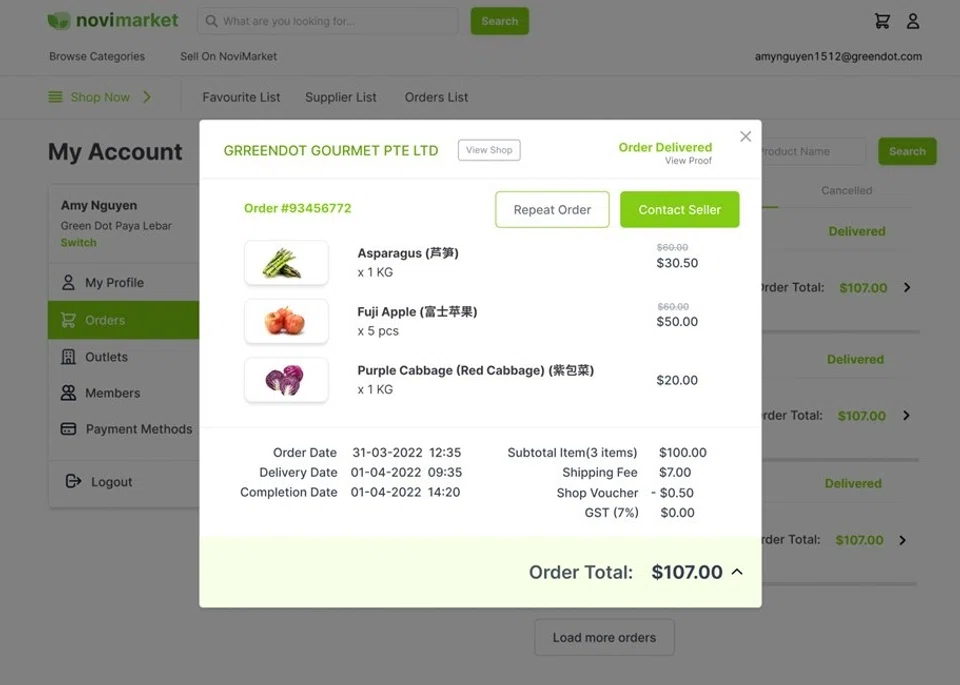
Glife wants to move beyond being just a distributor of fresh produce. In November, it partnered omnichannel food services tech platform Novitee to launch KoomiMarket, a B2B digital marketplace connecting food suppliers and F&B businesses.
KoomiMarket aims to be a one-stop platform for the procurement of ingredients and produce by hotels, restaurants and cafes. Using Big Data and machine learning, it enables food suppliers to offer dynamic pricing to F&B businesses – which could help the latter save costs – as well as analyse these clients’ purchase decisions, so they can provide customised product offerings.
Chou’s next focus is to expand Glife in Indonesia, the firm’s “most important” market in the region. It plans to partner with more farmers for contract farming and scale up watermelon cultivation by “five to 10 times”, as well as supply more local wet markets.
The goal is to achieve S$10 million in run-rate revenue for Indonesia alone in the next 12 months, Chou said. He aims for Glife to break even by the third or fourth quarter of 2023.
Earlier this year, Glife acquired controlling stakes in Bali-based farm-to-table startup PanenID and plant-based Malaysian distributor Yolek. In May, it made a strategic investment in Vietnamese agritech supply chain startup Koina.
“If we have the capacity and the resources, we might consider Vietnam as a fourth market,” said Chou. “But with the global recession coming, we still need to be a little more conservative.”
Decoding Asia newsletter: your guide to navigating Asia in a new global order. Sign up here to get Decoding Asia newsletter. Delivered to your inbox. Free.
Copyright SPH Media. All rights reserved.