
Audits of cooling systems help reduce energy usage and emissions
Comfort Management helps keep buildings cool while staying green by making the best use of the machinery that does the job.
 Add BT as a preferred source

THE first thing Comfort Management does when it lands a new client is conduct an audit.
The company, a mechanical and electrical (M&E) systems specialist, is often called in by building owners looking to improve the efficiency of a building's cooling systems.
When that happens, Comfort Management will spend a couple of days studying a building's layout and how its existing cooling systems are set up.
Next, the company will plant sensors around the building to track its temperature in different areas and understand the performance of the system. Energy consumption and efficiency data is also collected to quantify the effectiveness of eventual proposals.
This detailed audit process helps Comfort Management better understand the cooling needs of a building, since different building functions will require cool air at different times of the day.
For instance, a cinema may need to be cooled more at night and over the weekends when there are more patrons. A server room, on the other hand, may require constant cooling.
Navigate Asia in
a new global order
Get the insights delivered to your inbox.
After a month of observation and analysis, the company will then come up with recommended specifications for different equipment required to ensure they will work in synergy to produce the most efficient outcome.
Comfort Management's ability to improve energy efficiency in buildings comes from its decades of experience in the upkeep of air-conditioning systems.
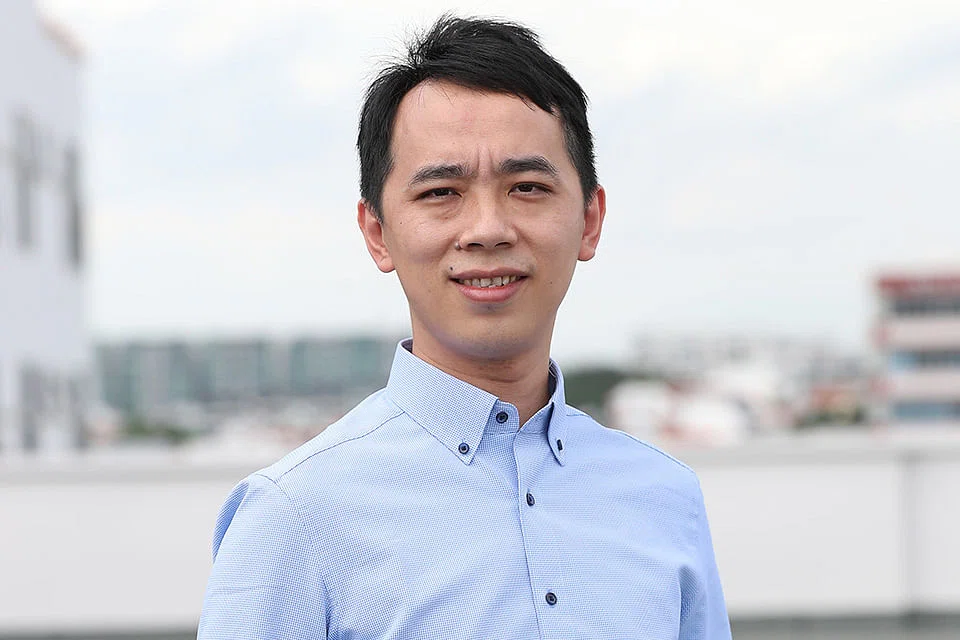
Wenda Lew, general manager of Comfort Management, said the company was motivated to help companies green their buildings back in 2000 when Singapore faced a recession and there was downward pressure on prices.
"Because we have vast experience in mechanical and electrical (systems) and also air-conditioning systems, we used our expertise and knowledge to help our existing clients to go green and trim energy," she said.
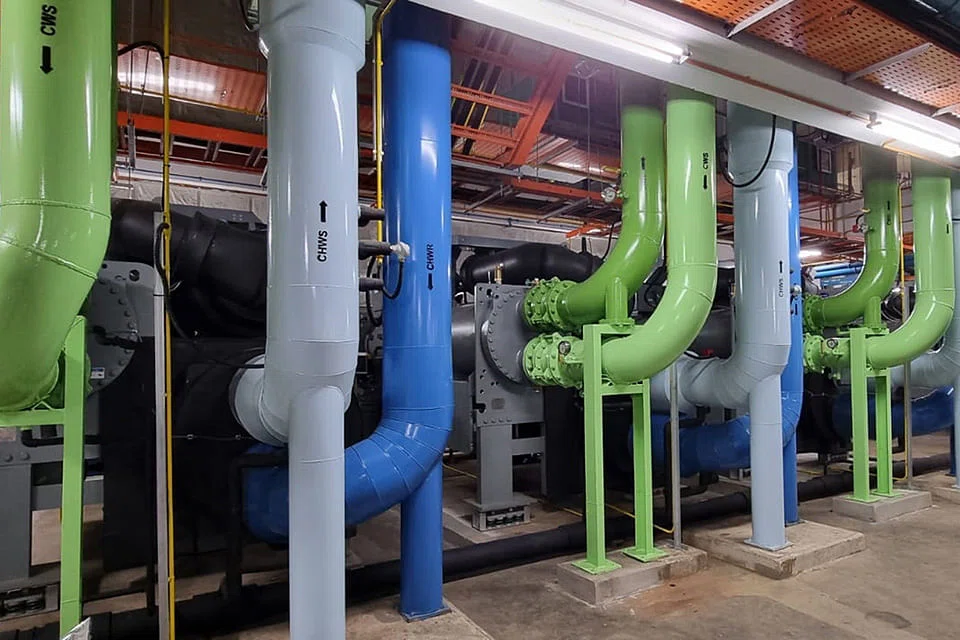
Typically, the company works with building owners whose properties are running air-conditioning systems that are almost at the end of their lifespans. Such systems tend to last for about 20 to 25 years, and are also inefficient compared with newer technologies. They may also have degraded over time and may no longer work as well as they were initially designed.
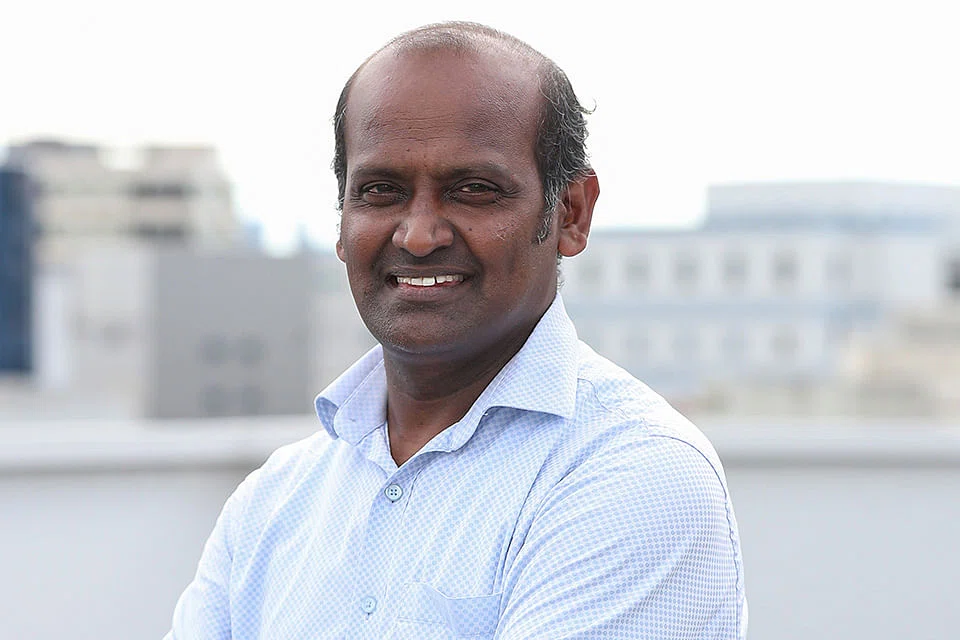
Assistant general manager Qiu Xuan added that buildings may serve different purposes over time. Its function may change over time as its tenants change, resulting in a change in cooling needs as well.
Changing the zoning in a building, for instance, reduces the flow of cool air into certain areas. To solve this problem, Qiu observed that some clients could have installed additional chillers and pumps to deliver more cool air into the warmer parts of the building. However, the cooling load of the building may not have changed. Rather, the same amount of work is spread over more chillers installed in the building.
"The initial design of the equipment can be such that it is relatively more efficient when it is operating at full load. But if you run the equipment at partial load, its efficiency will change," he said, adding that this happens because newer tenants may not be aware of the initial design considerations of their cooling systems when they moved into their buildings.
In a recently completed project at SGX Centre, the company also included programmable logic controller (PLC) modules to control the equipment in the building.
Project manager Nagu Ramachandran said the modules were coupled with a series of sensors such as wet bulb temperature sensors, indoor air temperature sensors and flow sensors of chilled water within the cooling systems, giving it the ability to adjust the cooling tower fans based on external and internal factors.
"The chiller used to be run as per schedule, even if the load is lower or higher," he said, adding that this was not possible when he first started working at the company almost 20 years ago.
Besides cooling systems, Comfort Management also suggests other energy improvements, such as changes to lighting sources and car park ventilation systems. By having a carbon monoxide sensor installed alongside a variable speed drive fan, the ventilation system can slow its fans down and consume less energy when fewer cars are driving in and out.
SGX Centre has netted 42 per cent energy savings. This is in line with the 30 to 50 per cent savings that Comfort Management usually sees with the buildings it has modified. Other successful projects it has undertaken include retrofitting Ngee Ann City and Orchard Plaza. Both achieved savings of 43 per cent and 48 per cent, respectively.
Working in partnershipComfort Management keeps track of the savings its clients achieve because it adopts a payment structure that it calls a "zero capital partnership".
Under such a partnership, the building operator does not have to invest any money into the asset enhancement programmes that Comfort Management undertakes, so there is no risk to the building owner. Comfort Management includes guaranteed savings in its contracts, with a penalty clause if it does not hold up its end of the deal.
The company collects a cut of the cost savings for a period of time after the improvements are made, aligning the goals of the company with that of its clients.
To fund these large initial capital expenditures, Comfort Management taps green loans from banks such as UOB.
For instance, the energy efficiency retrofitting project at SGX Centre was completed with a green loan from UOB through U-Energy - the bank's integrated financing platform for energy efficiency.
Karunia Tjuradi, head of UOB's sector solutions group, said U-Energy was developed to "help businesses and individual homeowners reduce energy consumption". Mr Tjuradi said the offering has helped clients save on electricity bills, cut carbon emissions and achieve their sustainability goals.
The platform is designed to connect different stakeholders working in the energy efficiency space, such as building owners, energy service companies and M&E contractors. "With U-Energy, businesses can now connect with a qualified panel of energy service companies and enjoy flexible financing options," he added.
As Comfort Management is a U-Energy partner, building owners that wish to work with Comfort Management can obtain a loan of up to S$10 million with a maximum 7-year loan tenor to finance retrofitting works, depending on the optimal equipment and system sizing recommended by Comfort Management.
But if building owners choose to go with Comfort Management's "zero capital partnership", then Comfort Management will take advantage of green loans provided by UOB to serve owners as part of an "energy-as-a-service" model.
After the retrofitting projects are completed, Comfort Management continues to offer performance- based maintenance as well to monitor energy usage and ensure the installed systems continue to work as intended and the building stays "green".
If building owners choose not to adopt the maintenance programme, a report is also generated for them to guide them in maintaining their own systems.
Staying aheadTo stay abreast of technological developments, Comfort Management continues to explore other control programmes to improve the way equipment is operated and eke out more savings. Automation methods are also being developed to help increase productivity.
"Because manpower costs are rising these days, we also try to help our facilities management partners to keep these costs as low as possible," Lew said.
As the effects of climate change become more apparent, focus has often been placed on the source of the energy and whether it is renewable or carbon-based.
But Lew sees Comfort Management's role in helping companies reduce their energy demand as being crucial to helping companies go green too.
Added Lew: "The idea is to help to trim carbon on the grid side. If you consume less energy, you place fewer demands on the power grid - and that's where you can reduce carbon emissions."
- This is the 11th in a 20-part Green Business series, in collaboration with UOB, exploring sustainability trends across businesses and industries.
Decoding Asia newsletter: your guide to navigating Asia in a new global order. Sign up here to get Decoding Asia newsletter. Delivered to your inbox. Free.
Copyright SPH Media. All rights reserved.

