

240 staff axed by Singtel's Hooq face uncertain future
Some former employees are disappointed with how they were given the boot
Singapore
VIDEO streaming service Hooq Digital, a joint venture company in which Singtel has an indirect 76.5 per cent effective interest, had to sack its global workforce of 240 people across six markets, including about 98 in Singapore, after it entered liquidation on March 27.
In response to queries by The Business Times, a Singtel spokesperson said that the group "voluntarily stepped in to take over obligations to pay Hooq employees' payroll and notice periods according to the laws of the countries in which they were based".
According to axed workers here, their notice period stated in their contracts range from one to three months.
While the terminations were not a surprise given the liquidation, former workers told BT that they were blindsided by how suddenly the company went straight to that point without any earlier sign that it was in trouble. Five-year-old Hooq is still loss-making, but that is par for the course for the majority of startups, they argued.
While it seems that the virus outbreak may have hastened the startup's downfall, a Singtel spokesperson said that Hooq's sudden liquidation was not related to Covid-19.
In an Acra filing, Hooq's operating revenue had more than doubled to S$21.9 million from a year ago for the financial year ended March 31, 2019. However, pre-tax losses continued to mount, going up to US$62.5 million from US$56.5 million earlier.
Ex-staff said that they tried to negotiate their severance pay, but were told that the guidelines in the tripartite advisory are not legally binding.
In Singapore, the quantum of retrenchment benefit depends on what is provided for in the collective agreement or contract of service.
The norm among employers is to pay a retrenchment benefit of between two weeks' and a month's salary for each year of service, but this depends on the company's financial position and varies by industry, going by the tripartite advisory.
Singtel said that it is working to "place as many staff as possible to suitable roles across the group, including our regional associates".
Some of the affected workers said that they had been hopeful at first when they were told about potential mapping of roles in Singtel, but were later disappointed that the "roles were not a fit and were poorly matched".
For those who were matched, remuneration offered were "significantly lower than current packages", they added. Axed staff also said that no outplacement support was offered.
Singtel refuted the latter point, saying that it has connected Hooq employees to external agencies to help them secure roles while Hooq's executive committee reached out to outside firms to consider Hooq staff. It is unclear if all staff were made aware.
Because Hooq is a different business, the matched roles are "not like for like", and compensation structures are "naturally different", added Singtel. "We're afraid it's simply not realistic to expect the exact same packages but we offer competitive market rates for the roles we fill."
However, ex-staff told BT that the whole experience left a bitter aftertaste as they felt like "just another statistic".
"We are part of Singtel when it is convenient for them, but not part of Singtel when it's not," said an ex-employee, pointing out that Hooq's staff all hold Singtel email addresses and have access to all intranets. Hooq's HR system is also under Singtel.
To add salt to their wound, they received an e-mail on April 20 sent out to all Singtel employees by CEO Chua Sock Koong.
"Every day, we read more reports about companies not just in Singapore but around the world having to downsize or furlough staff due to the current economic slowdown," she wrote. "Fortunately, given the support from the Singapore government, we have no plans to downsize our Singapore-based workforce."
Hooq had earlier said that "significant structural changes" that occurred in the over-the-top video market and its competitive landscape has led its business model to become increasingly challenged.
It has been unable to grow sufficiently to provide sustainable returns nor cover escalating costs.
Hooq is another one in a growing list of startups that have let go of workers amid the downturn. Others include aspiring unicorn Zilingo, which cut about one-third of staff in Singapore on April 17, and Softbank-backed travel startup Klook.
Read more: Singtel's streaming service Hooq files for liquidation
TRENDING NOW

Once staunchly pro-China, Malaysian Chinese businesses are now distancing themselves from Beijing
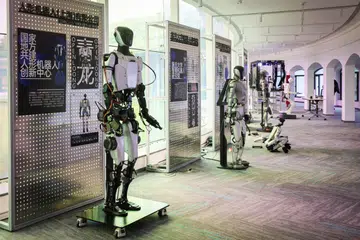
‘How many will survive?’: Bubble fears arise as China’s humanoid robotics face reality check

Philippine power giant First Gen rebuffs foreign offers, plans up to US$2.6 billion in expansion

Indonesia imposes US$116 million in fines over manipulation of Sinar Mas, Prajogo-linked stocks

