Co-living startup Hmlet loses CEO; hit by senior management exodus
Singapore
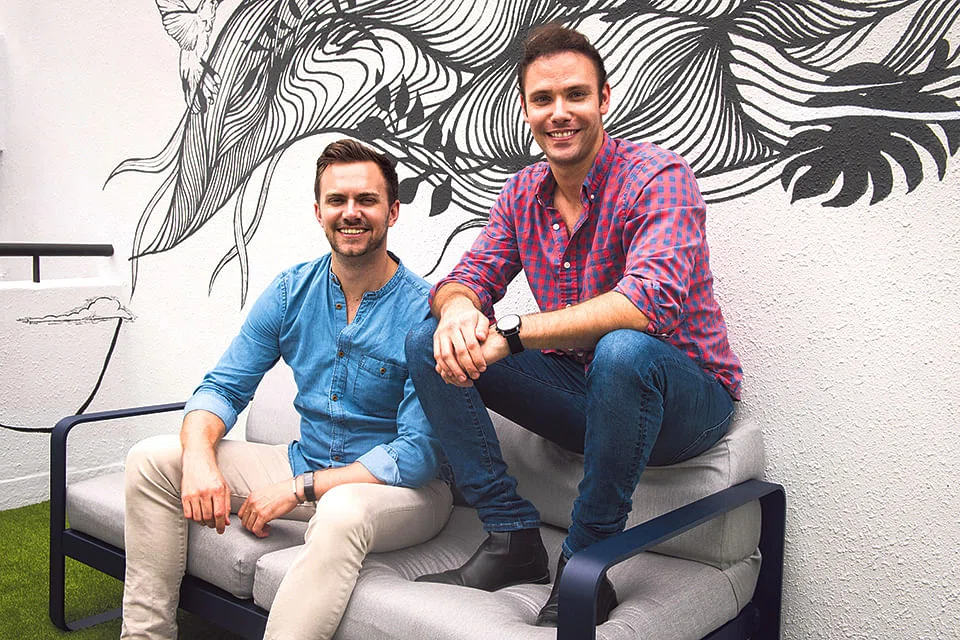
HMLET'S chief executive officer (CEO) and co-founder Yoan Kamalski has stepped down after five years at the helm, the latest in a series of departures by top management.
The co-living startup has also lost its chief technology officer (CTO) and chief financial officer (CFO), among a few other top executives, BT understands.
Its chief technology officer Pramodh Rai recently resigned after spending about 1.5 years building up the co-living startup's tech infrastructure, and will leave Hmlet in June. He will continue to play an advisory role in the startup.
Besides Mr Kamalski and Mr Rai, The Business Times (BT) understands that CFO Rajive Keshup had left the firm in October last year. Joseph Thia, an investment manager at Burda Principal Investments, was seconded to Hmlet to fill the role of interim CFO. Mr Thia will end his six-month secondment in May 2021.
Hmlet confirmed the C-suite departures in response to queries by BT. Peter Kennedy, a senior advisor at Burda Principal Investments, has filled in since March 15 as interim CEO to "provide strategic guidance and direction", a Hmlet spokesperson told BT. Mr Kennedy was previously the executive chairman at Hurbert Burda Media, the parent company of Burda Principal Investments. (see amendment note)
In 2019, Burda Principal Investments led the startup's US$40 million Series B funding round, with participation from existing investors such as Sequoia Capital India. That latest round valued Hmlet at about US$154.4 million, according to data platform VentureCap Insights.
Mr Kamalski will focus on driving investment partnerships and fundraising as co-founder, said Hmlet.
Other departures over the past 12 months include its chief of staff Indu Mohan, head of people Kate Williams, head of corporate development Sagar Khatri and senior finance manager Stanley Teng.
The slew of exits comes as the co-living sector suffers from domino effects of the pandemic. As borders closed and companies downsized, the pool of young expatriates - its core target segment - dwindled.
At Hmlet, total occupancy fell but the company still had several long-term rental agreements with landlords to honour. The co-living startup thus had to restructure teams and streamline operations, reversing a hiring spree in 2019 meant to grow the firm.
It expanded its team that year to about 198 staff. But in early 2020, the startup had to cut about 10 per cent of its headcount and pivoted to an "asset-light" revenue-sharing model. Hmlet is now left with less than 90 full-time employees, sources told BT.
"Because of the tough measures implemented last year, Hmlet is in a stronger position today," said a Hmlet spokesperson. "We will continue to focus on our people by nurturing talent growth, while driving a strong culture among our staff."
The startup's recently upgraded tech infrastructure could serve as growth engines, if it is able to ride through this rough patch.
It recently developed consumer-facing services - such as Hmlet Listed, Hmlet Furniture and Hmlet Interiors - for its platform. It also revamped its website and mobile app, built a data analytics dashboard plus a property management system.
Hmlet Listed, which is a marketplace for landlords and tenants, has now been "paused", so that the startup can "focus on our core offering".
"We continue to focus on enriching the experience of Hmlet members, while actively pursuing growth opportunities with all our real estate partners," Hmlet told BT.
Amendment note: An earlier version of this article incorrectly stated that Mr Kennedy is the executive chairman of Hurbert Burda Media. He is in fact the former executive chairman. The article above has been revised to reflect this.
Garage is BT's startup vertical. Read more news, analyses and opinions at bt.sg/garage
READ MORE: