

Find good partners, avoid analysis paralysis to build a viable ESG strategy
INTEREST in environmental, social and governance (ESG) efforts has noticeably increased this year. ESG is mentioned at enough conferences and meetings to generate off-confab discussions around what it is and what companies can do.
For a business trying to take that first step towards making ESG an integral part of its investment and business strategy, it can be a daunting task trying to navigate all of the buzzwords and assessment frameworks. Our advice is to leverage the expertise of good partners, and to not be too concerned with bureaucratic analysis at the start.
Quest Ventures believes that delivering value in today's world includes consideration of the ESG aspects. Asia's rapid but uneven development are challenges that we are addressing with a combination of capital and technology, and now layered with ESG considerations. When we considered our approach to ESG just a few years ago, first-hand knowledge and experience in the industry was difficult to come by. In fact, our ESG focus became the first in Asia for a venture firm.
Today, we support a range of social good initiatives by a dozen companies across Asia for education, and female and youth entrepreneurship, all guided by the goal of decent work and economic growth. When we consider working with an entity - which can be a non-profit organisation (NPO), a non-government organisation (NGO) or social enterprise - we invest time and resources that we term as impact acceleration. Impact acceleration initiatives include public advocacy, financial investment, benefits with our partners and vendors, and collaborations with our venture capital portfolio of more than 40 companies. That allows us to tap some of the top entrepreneurs in South-east Asia from companies such as 99.co, Carousell and Shopback.
The doubts that companies usually have when asked to consider ESG are whether they are of the scale to implement it, and what it does to their important financial metrics. The most common question is how this is different from their existing Corporate Social Responsibility (CSR) efforts.
To answer the first question on whether a company has to have scale in order to start any ESG initiatives: Quest Ventures is a small company. We would like to think that we punch above our weight and we do so because we address challenges with a combination of capital and technology - two important multipliers.
Discovery
Implementing ESG "scoring" is not complicated. Cutting through the frameworks and buzzwords that consultants use, ESG implementation at its core is about objective, quantifiable and actionable metrics. To make it easy for this process to start, we work with global and regional NGOs, NPOs, and social enterprises to identify under-addressed issues that, when addressed, can positively impact significant sizes of communities. This is known as our discovery stage.
Environment scanning
We then scan the environment to identify risks and demand drivers so as to provide objective, quantifiable and actionable metrics. This stage significantly reduces unnecessary and duplicative efforts that may already exist in the field, and focuses our company on synthesising all efforts and results into measurables, especially financial measurables. The financial controller would be especially pleased with this stage because it sets clear engagement parameters, identifies company resources, and establishes transparent measurable targets.
Implementation
The last stage is known as the implementation stage. In this, we work with local organisations to implement solutions that leverage the aforementioned capital and technology to dramatically improve conditions while respecting local practices. We are mindful that not every community wants external involvement. Disrespecting local sensitivities is a red flag for us, and very obvious reasons for failures of some international efforts in parts of South-east Asia.
The United Nations has identified 17 Sustainable Development Goals (SDGs). These are a "universal call to action to end poverty, protect the planet and ensure that all people enjoy peace and prosperity".
The SDGs cover many areas and are a good starting point to determine which area or areas fit into your company's focus. Many are interlinked. For example, Quest Ventures' focus of decent work and economic growth (SDG No 8) are tightly linked through our micro-financing efforts to no poverty (SDG No 1) and quality education (SDG No 4).
In management speak, this means that we stack rank our efforts related to decent work and economic growth higher than our efforts on no poverty and quality education.
ESG is not about executing solutions towards solving the 17 SDGs. Nor is it about CSR. It is about considering the environmental, social and governance aspects as we run our businesses, and having those elements considered as we consider where we invest, which partners we work with, and desiring outcomes that are more than financials.
A common buzzword is the "double bottom line". The double bottom line adds a second, social impact, consideration in addition to the usual fiscal consideration. For companies already concerned with their "normal" bottom line in light of the grey clouds forming on the fringes of the economy, such a buzzword does more harm than good.
We suggest that companies starting out on their ESG journey ignore this and avoid attempting to produce such a second bottom line; the cross-functional time and resource utilisation tracking will produce more red tape and grumblings among employees before any good is done. Consider and produce this additional accounting only after the first full-year has passed. Do not let analyses paralyse action.
The end of the year is a good period to reflect on the year that has passed and plan for the new one. Factoring in ESG considerations as part of your business is not difficult: discover the issues that you can solve, scan the environment and implement your solutions.
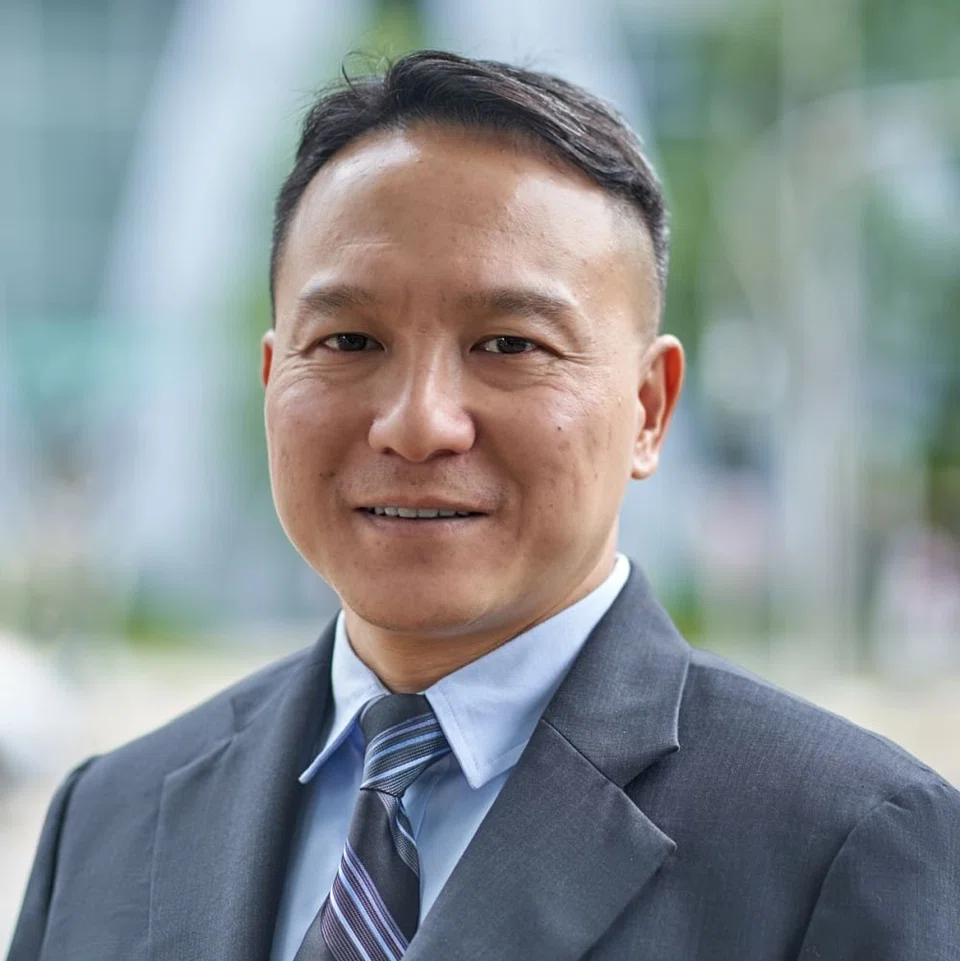
The writer is the managing partner of Quest Ventures, an Asia-focused venture investment firm that has adopted a strategy founded on environmental, social and governance principles.
TRENDING NOW

Philippine power giant First Gen rebuffs foreign offers, plans up to US$2.6 billion in expansion

Vietnam’s data-centre investment rush faces reality check on power and site constraints

Singapore should prepare for prolonged haze until November, says Grace Fu

Is stagflation returning? That mostly depends on the Iran war

