Glints rides on remote hiring boom, with eye towards IPO

Singapore
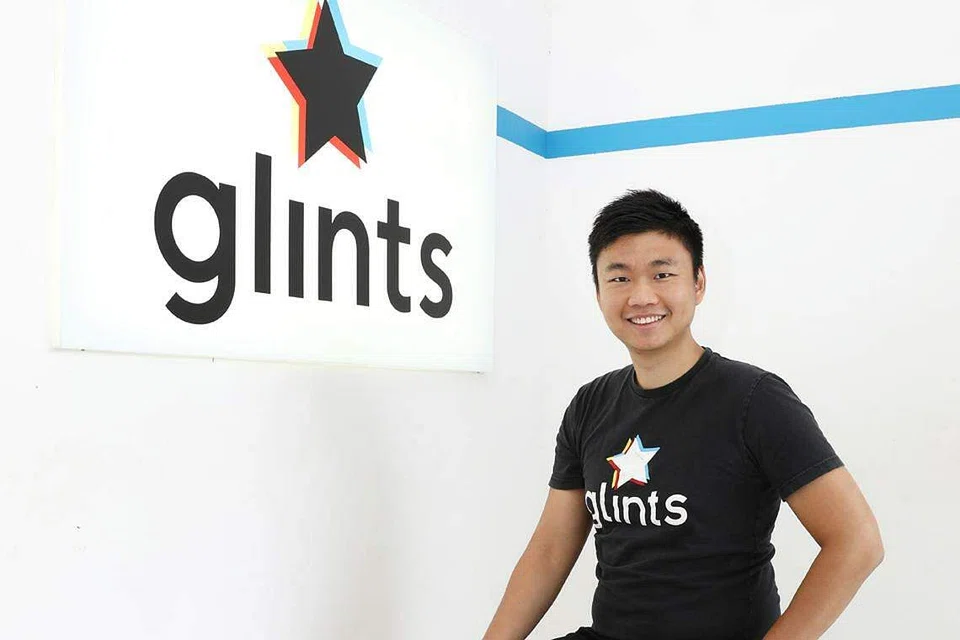
HOMEGROWN startup Glints kicked off as a simple internship matching service 9 years ago. But it is now eyeing a much-bigger opportunity: the booming demand for tech talent across the region, including offshore talent.
The startup does local hiring for companies in Vietnam and Indonesia, where clients include the Vietnam Posts and Telecommunications group, Tokopedia and Blibli.
Glints also recruits remote talent in Indonesia, Vietnam, Malaysia and Taiwan for a range of companies, from insurer AIA and tech giant ByteDance to salted egg snacks maker Irvins.
"Because of the growth of the tech industry, so much more capital is being pumped in and we see a lot of demand (for talent), but supply hasn't quite been catching up," chief executive Oswald Yeo told The Business Times.
"That, combined with the openness to hire remotely, has created an almost perfect storm for really accelerating change in the HR industry in the past 2 years."
Glints is currently in Indonesia, Vietnam, Singapore, Malaysia and Taiwan, with the latter office also covering Hong Kong. The startup has over 1,000 employees. Its largest market by revenue is Indonesia, while the fastest-growing one is Vietnam.
In the next 18 months, Glints plans to expand to the Philippines and Thailand, to "fully realise the proposition of hiring anyone anywhere in South-east Asia", as Yeo put it.
Besides sourcing talent, Glints serves as the employer of record on behalf of over 250 clients across the region. This frees the clients from handling HR contracts and payrolls.
According to data platform VentureCap Insights (VCI), Glints made S$16.9 million in revenue for the period from August 2019 to December 2020 (reflected as such due to a change in financial year), with a S$5.4 million loss.
Yeo shared that Glints' revenue has grown 4.5 times from Q4 2019 to Q4 2021, while declining to disclose further specifics.
He said that the company is operationally profitable in Vietnam and Indonesia, and expects to break even in the next few years.
The topline boost was driven by the pandemic. In 2020, local hiring slowed down, but remote hiring grew tremendously, Yeo said. In that year alone, Glints' remote hiring business, which it started in 2018, more than doubled.
"As we entered 2021, remote hiring continued to grow, because the habits that businesses and employees started to adopt are permanent. We believe that the world will never be going back to being just 5 days (a week) in the office, 9 to 5 again; it's going to be a hybrid arrangement," he noted.
Entering this year, companies are not only more open to remote talent, but are also stepping up local hiring "with a vengeance".
Glints' expansion of its recruitment business marks a significant evolution from its early business model. The startup had to find a solid monetisation strategy - which took a few tries before it landed on the current niche.
"We were experimenting with different kinds of monetisation models. We even did employer branding campaigns for companies, we did white label sites. It was only until about 2018, when we pivoted to the current model, that business really started to take off," he said.
That year, Glints entered a partnership with Singapore's Economic Development Board and the Nongsa Digital Park, under which Glints became a tenant at the park.
Yeo counts himself lucky that Glints had a few years' headstart to build up its remote hiring capabilities, before the pandemic struck. Back then, remote hiring still had a stigma, so many of Glints' clients were mainly early-stage startups and SMEs. But it is now serving more large companies, as attitudes have changed.
Glints has raised over US$31.3 million in funding thus far, according to past announcements. Its backers include HR companies Persol Holdings and HRnetGroup, as well as venture firm Monk's Hill Ventures.
Asked about exit plans for the startup, Yeo said it would ideally be an initial public offering in the coming years. "We believe we can be the first HR tech company that goes public from South-east Asia in the next 3 to 5 years."
That said, Yeo also hopes to also keep his focus on strengthening the company's fundamentals. "For us, it's about building an enduring business for the long term. We believe the financial exits will follow," he said.
Garage is BT's startup vertical.
Read more news, analyses and opinions at bt.sg/garage
READ MORE: Growing demand for remote tech talent in Vietnam, Indonesia