Gokongwei-backed cloud kitchen startup raises US$3m to fight 'delivery fatigue'
Co-founded by an F&B scion and backed by bigwigs, The Kraver’s Group is building its own brands.

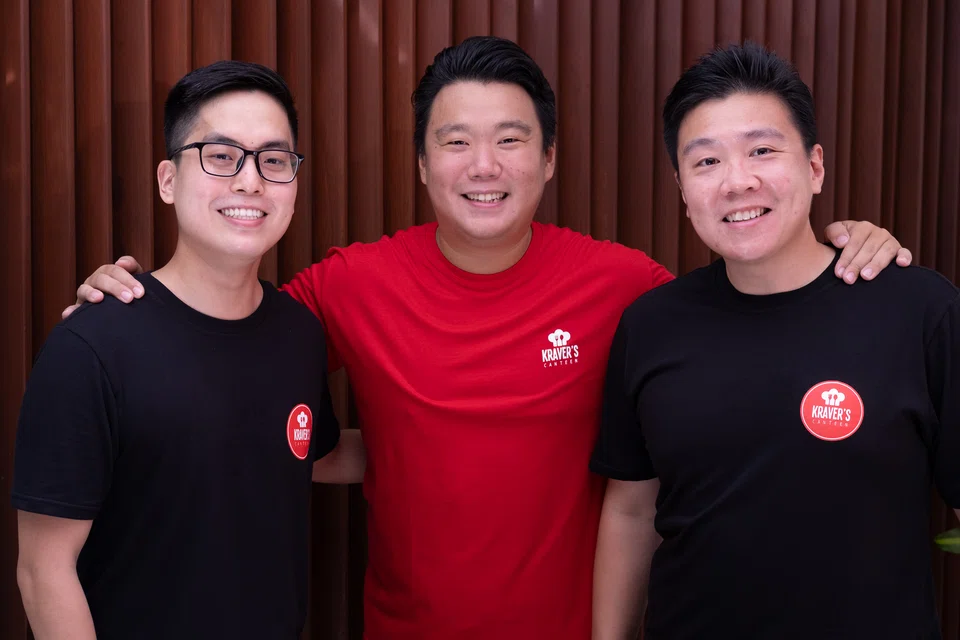
THE Kraver’s Group, a Philippine cloud kitchen operator backed by Lance Gokongwei and Christopher Po, has gotten a funding boost out of Singapore.
The 2-year-old startup has raised US$3 million in Series A funding led by Singapore’s Quest Ventures, an early-stage investor that has also backed Indonesian cloud kitchen operator Yummy Corp.
Kraver’s Series A round was joined by Philippine investor Oak Drive Ventures and several corporate head honchos: Francis Wee, chief executive of property developer W Group; Martin Cu, Ninja Van’s country manager; Anthony Oundjian, managing director at Boston Consulting Group (BCG) Philippines; and Rohit Gulati, managing director at BCG South-east Asia.
The fundraising comes at a challenging time for food delivery, as consumers rush back to dine-in. But Kraver’s plans to fight this “delivery fatigue” by investing further in its own virtual food concepts and gamifying the customer experience.
Founded in 2020 by entrepreneurs Eric Dee, Victor Lim and Victor Mapua, the startup has deep ties to corporate Philippines.
Dee, 38, is chief operating officer of his family business Foodee Global Concepts, a major F&B operator with over 200 restaurants in the Philippines. The company is known for bringing Michelin-rated brands into the country, such as Tim Ho Wan and Singapore’s Hawker Chan.
“I was born in the kitchen, pretty much, and my life is all about food,” Dee, who is Kraver’s chief product officer, told The Business Times while on a trip to Singapore last week.
Co-founder Lim, 29, was previously with Zalora Indonesia and blockchain startup Coins.ph. He now serves as chief executive of Kraver’s. Mapua, 42, is the startup’s chief financial officer and previously founded PTC Group, a materials importing business in the Philippines.
The idea to set up Kraver's came about in 2019 when the trio observed growing F&B digitalisation, with the traction of foodpanda and GrabFood in the Philippines.
A second-generation entrepreneur, Dee saw how the pandemic further changed the business. At Foodee’s own restaurants, revenue contributions from food delivery shot up from 15 per cent pre-pandemic – just “icing on the cake” – to as much as 50 per cent, he recalled.
Kraver’s began operating around July 2020 and has since then built up a network of 11 cloud kitchens – 10 are under its own “Kraver’s Canteen” branding, and one is a co-branded “GrabKitchen”, which it runs in partnership with Grab Philippines. Kraver's runs the physical operations at that kitchen, while Grab runs the digital front.
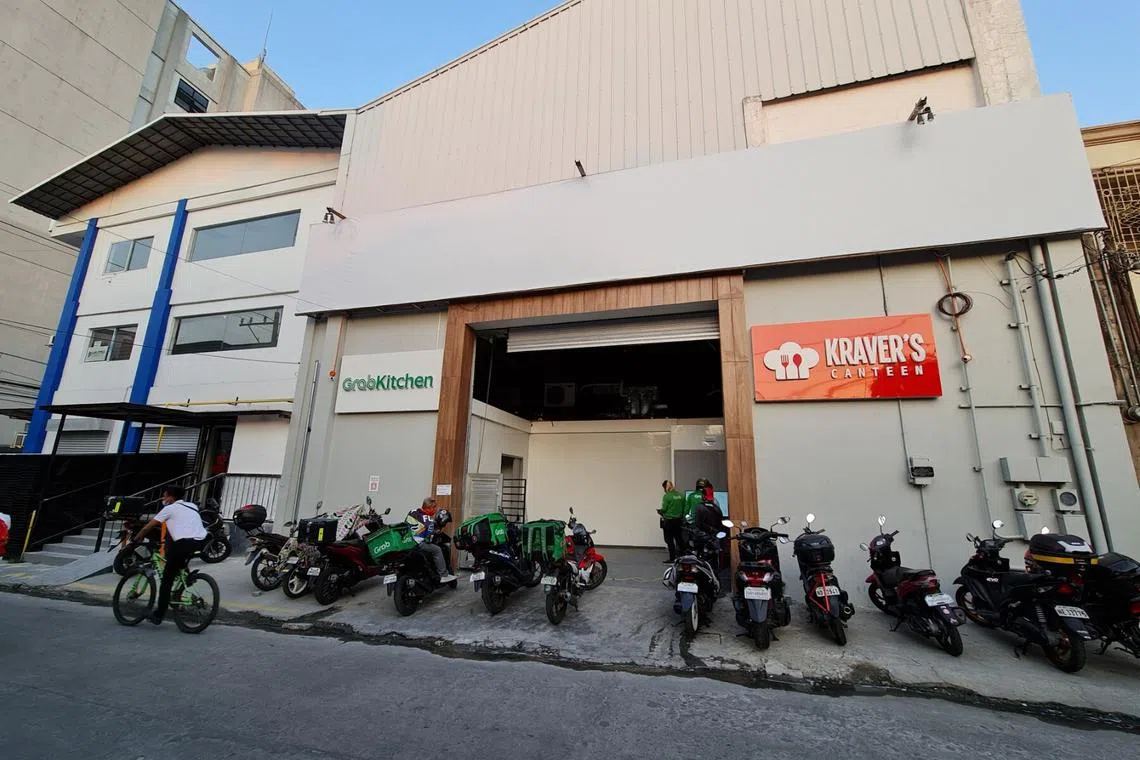
The startup also previously bagged US$1.5 million in pre-Series A funding. Investors included Foodee and several corporate titans – Gokongwei, who is chairman at Robinsons Group and chief executive of Philippine conglomerate JG Summit; Po, chairman of canned food giant Century Pacific; and George Pua, president of F&B operator Meat Concepts.
Other early investors include Philippine venture builder Kaya Founders; early-stage venture firm Foxmont Capital; Brian Cu, who set up the Philippine units of Grab and Zalora; and Paulo Campos III, who also set up Zalora Philippines.
Both Cu and Campos, alongside Gokongwei and Po, are on the board of Kraver’s. With the latest round, Jeffrey Seah, partner at Quest Ventures, is also joining the board.
STAYING COMPETITIVE
The relaxation of pandemic restrictions has now softened demand for food delivery – presenting a challenge for cloud kitchen operators. Kraver’s sees itself staying relevant with its own online food brands.
Last month, the startup launched the Kra-Verse Food Hall – its own collection of 6 online food brands, which include CharSilog, a modern twist on a Philippine breakfast staple and Jok Time Lugaw, where “jok” or porridge comes with a joke on the self-heating packaging.
“Rather than creating a barrage of brands, we wanted to create brands that would stick, that would have loyalty, because it's the only touchpoint that we have with our consumers… I don’t want to create chin chai (thoughtless) brands,” said Dee.
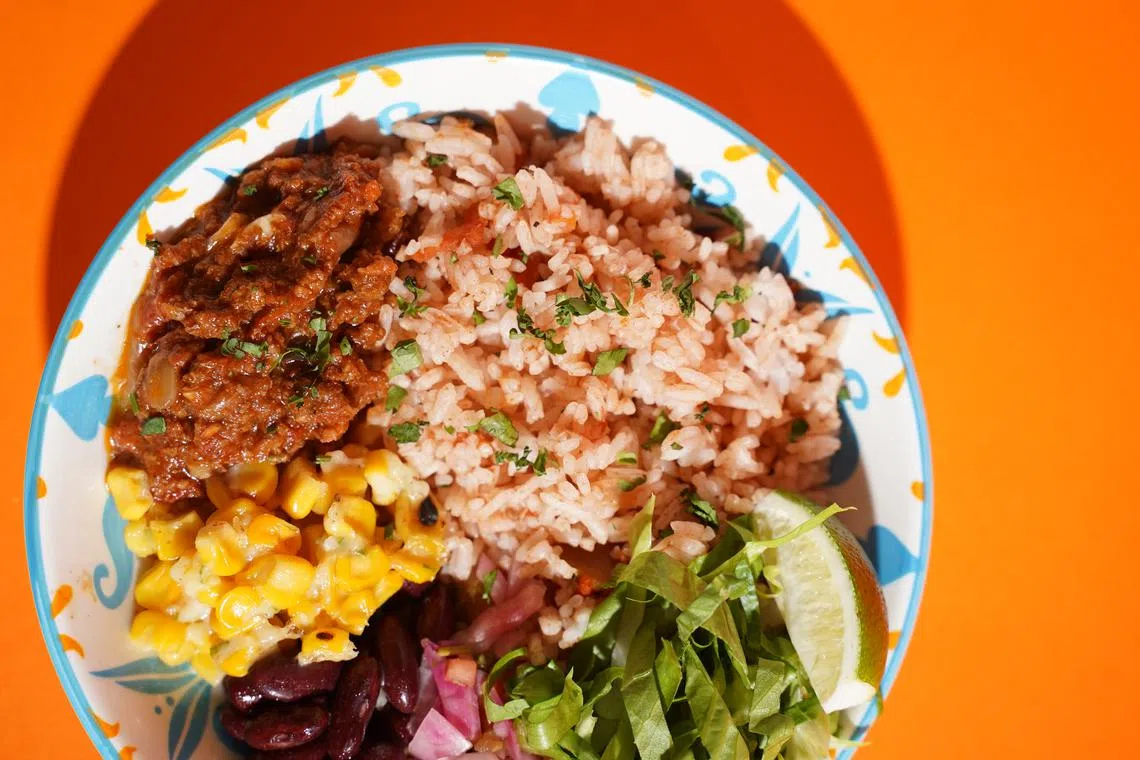
Kra-Verse Food Hall also features an online brand called krave – where the startup whips up any trending food fad. As a cloud kitchen operator, it can add and remove menu items more rapidly than a traditional restaurant.
“In the Philippines, for some reason, people started making “sushi bake” during the pandemic – rice with sashimi on top and then you torch it with some mayonnaise. We were able to jump on that bandwagon right away and be the only (sushi bake) available on the Grab platform,” Dee said.
Beyond menu innovation, customer experience is another key focus. The Kra-Verse brands can be ordered not just via GrabFood, but also from Kraver’s own gamified platform. The latter, which is built using the metaverse platform Gather Town, allows customers to create game avatars and place their orders with virtual waiters, while interacting with their friends.
“The meta-experience of the Kra-Verse is a fun way for customers to engage with us, but the real challenge behind the launch was getting 6 brands opened simultaneously across 10 different kitchens,” said Lim, adding that it was the startup’s underlying infrastructure that enabled this.
Seah of Quest Ventures sees Kraver’s as a play on the F&B digitalisation theme, and is bullish on how the startup tries to differentiate its customer experience with gamification. Meanwhile, the data built up by a cloud kitchen operator like Kraver’s has “tremendous commercial potential”, he added.
Kraver’s aims to build 100 kitchens by 2025. That said, it is cautious about the capex-heavy nature of the business and does not want to blitzscale, focusing on its domestic expansion with the latest fundraise.
“We’ve known early on that growth without stability, both financial and operational, is a recipe for disaster. Our customers have a very low tolerance for service mistakes and quality gaps, and they can quickly see when they’re not getting enough value for their money,” said Mapua.