Heliconia, with AUM over S$2b, hunts investments in new consumer trends

TEMASEK unit Heliconia Capital wants to seize opportunities in shifting consumer behaviour. It has its eye on product companies that can traverse business verticals due to strong branding and user communities.
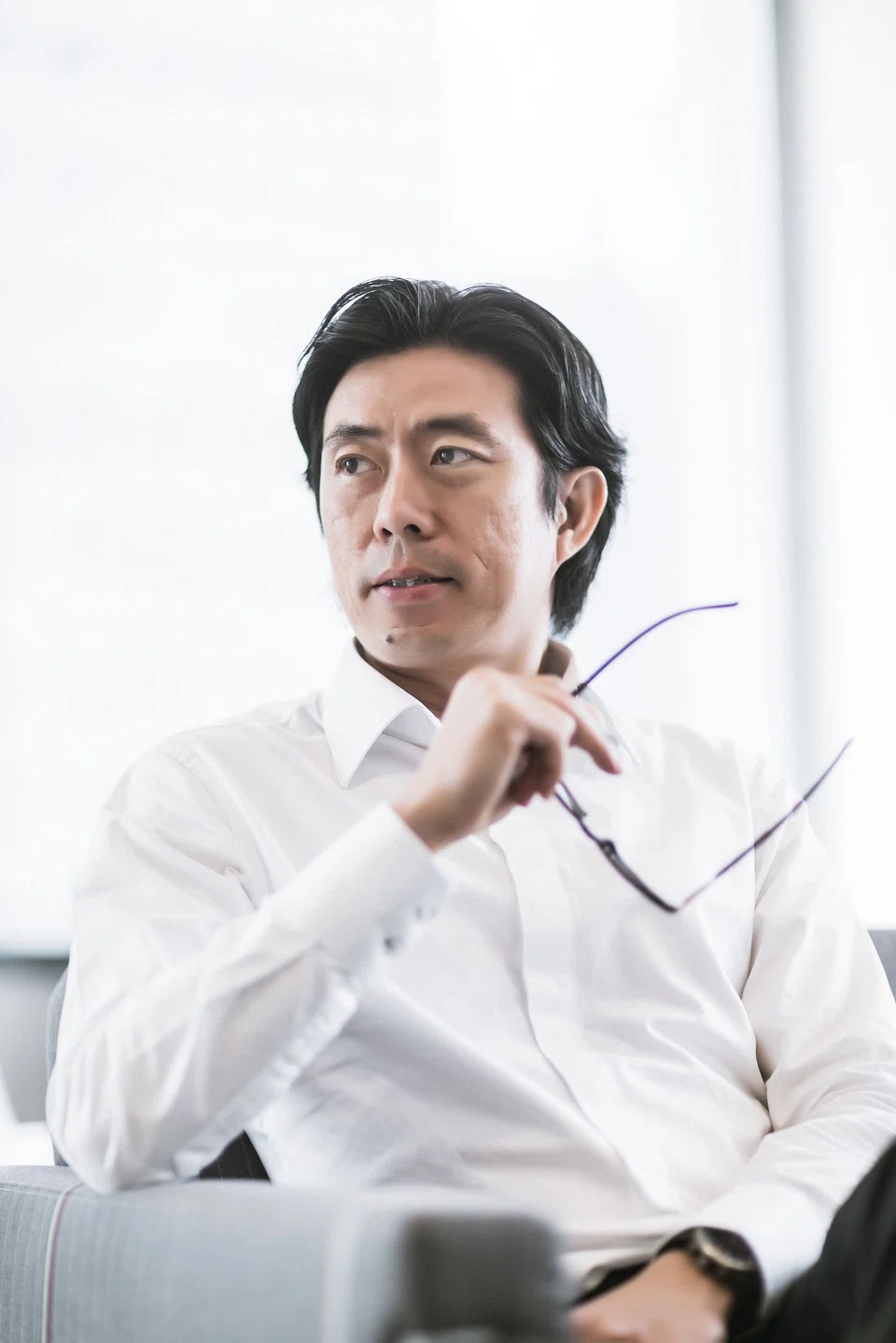
The investment firm's assets under management (AUM) now exceed S$2 billion, its chief executive Derek Lau told The Business Times (BT). That's a jump from 2019, when Mr Lau said Heliconia had amassed more than S$1 billion worth of AUM.
He was speaking to BT recently on the back of Heliconia's investment in XM Studios, a local maker of luxury handcrafted pop culture collectibles, for an undisclosed amount. Regulatory filings showed Heliconia took a 9.2 per cent stake in the business.
"When you look at the whole global phenomenon, consumer spending has shifted from services - where people spend on say, restaurant experiences or sightseeing - to products. You can see it from freight rates and all the port congestion in the world," he said.
"And if you look at our consumer lifestyle investments from Razer to Secretlab to Cariuma, they're all direct-to-consumer. We're excited about two things: first, they're direct-to-consumer, which means they don't have a single shop, yet they can sell these products. At the same time, they're enjoying this global phenomenon I just mentioned."
Heliconia was set up in 2010 and provides growth capital to Singapore-based small and medium enterprises for them to compete on the global stage.
It's invested in nanotechnology company Nanofilm, seafood restaurant chain Jumbo, private eye clinic group Eagle Eye Centre, and the company behind digital securities platform iStox, now known as ADDX.
But there's palpable excitement as Mr Lau talks about consumer-centric companies that could thrive in the new economy.
Heliconia's office in Suntec is designed with these portfolio companies in mind. Mr Lau takes his interview in a meeting room inspired by the cage setup of One Championship fights; across the hallway, two sides of a boardroom table are lined with premium editions of Secretlab chairs. A cold-cast porcelain statue with a samurai-inspired design of Batman, which XM Studios retails for S$1,999, sits on a table nearby.
"The most important thing I see in XM Studios is that along the way, they created their own community," he said. "We love that because if you look at the way we invested in Secretlab and recently in Cariuma, they're all not so much just about the product, but actually the community."
Cariuma, a Brazilian online sneakers brand, has more prominence in the surfers and skateboarding scene. In the same vein, XM Studios is about exploration and creativity - it's not just another toy, Mr Lau said.
XM Studios saw a surge in demand during the pandemic. Revenue doubled to S$16.9 million for the year ended December 2020 while profit after tax was S$4.2 million, regulatory filings showed.
Secretlab has been expanding quickly as well. On Tuesday, it announced plans to invest S$50 million in research and development and hire up to 100 people over the next year.
The company has been touted as a high-growth startup to watch, but is it really one? Or is it just another furniture-maker with a ceiling to its growth? Mr Lau thinks that isn't the point.
"Again, back to the community. When you think of Secretlab, is your top-of-the-mind, 'chair'? To me, no. It's the ownership and community of e-sports," he said, making another quick reference to Razer and its fanbase.
"Once the attraction of the company is so strong, people want to associate with it. I always like to use the example of Supreme. It started within the skateboarder community, but it became like 'Intel Inside' - any other old brand like LVMH, once you slap the Supreme brand there, suddenly the price point goes up."
He believes strong branding is what allowed companies like One Championship to pivot when the Covid-19 pandemic hit.
Mr Lau appears unfazed when questioned about the blow to One Championship's core revenue stream from live shows, even as the group is reportedly in talks to go public through a SPAC (special purpose acquisition company).
He pointed to how the company launched its version of reality TV show The Apprentice and has plans to launch a non-fungible token marketplace featuring collectibles of its athletes.
To date, Heliconia has invested in about 35 companies. "And behind them are 35 business drivers, like XM Studios co-founder Ben Ang," said Mr Lau.
He highlighted the many pains Mr Ang and his brother went through when building the business up from a humble hobby shop in the 1990s.
"Their life story itself is a form of branding," he said.
READ MORE: Temasek's Heliconia invests in luxury art collectibles maker XM Studios