

High commissions expose weakness in food delivery model
 Add BT as a preferred source
Claudia Chong
DeeperDive is a beta AI feature. Refer to full articles for the facts.
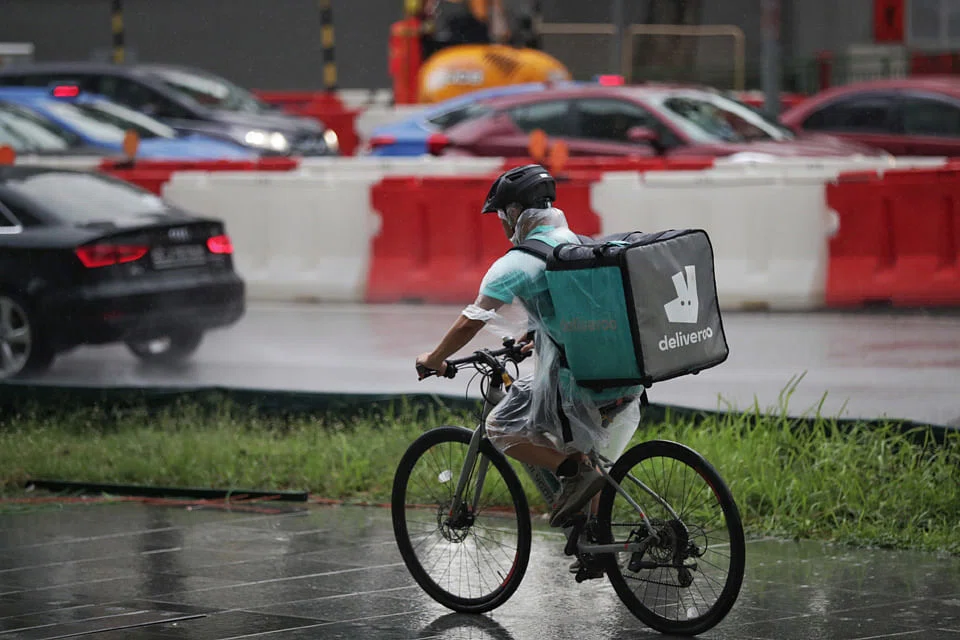
THE pressure for food delivery platforms to lower their merchant commission rates has intensified over the past two weeks, prompting GrabFood, foodpanda and Deliveroo to break their silence and explain that the money is used to pay riders fairly and cover the cost of service.
In doing so, the companies showed a reluctance to cut the commissions, which reportedly range from 25 to 32 per cent. The three players' explanation of their stance has either sparked more unhappiness or gained the public's understanding, but what it really exposes is a weakness in the food delivery model.
The commissions might be justified, but there is no denying that they are steep. This raises the question of why food delivery companies have not been able to keep costs low enough to offer a rate to food and beverage (F&B) firms that is not, at the very least, eye-watering.
Decoding Asia newsletter: your guide to navigating Asia in a new global order. Sign up here to get Decoding Asia newsletter. Delivered to your inbox. Free.
Copyright SPH Media. All rights reserved.
TRENDING NOW
‘Boring’ is the new black: The stars are aligning for a Singapore stock market revival
Near sell-out launches in March boost developer sales to 1,300 units after four slow months

China pips the US if Asean is forced to choose, but analysts warn against reading it like a sports result

Genting Singapore’s Lim Kok Thay receives S$7.5 million pay package for FY2025

