Hmlet backs out of Malaysia, Thailand less than six months after launch
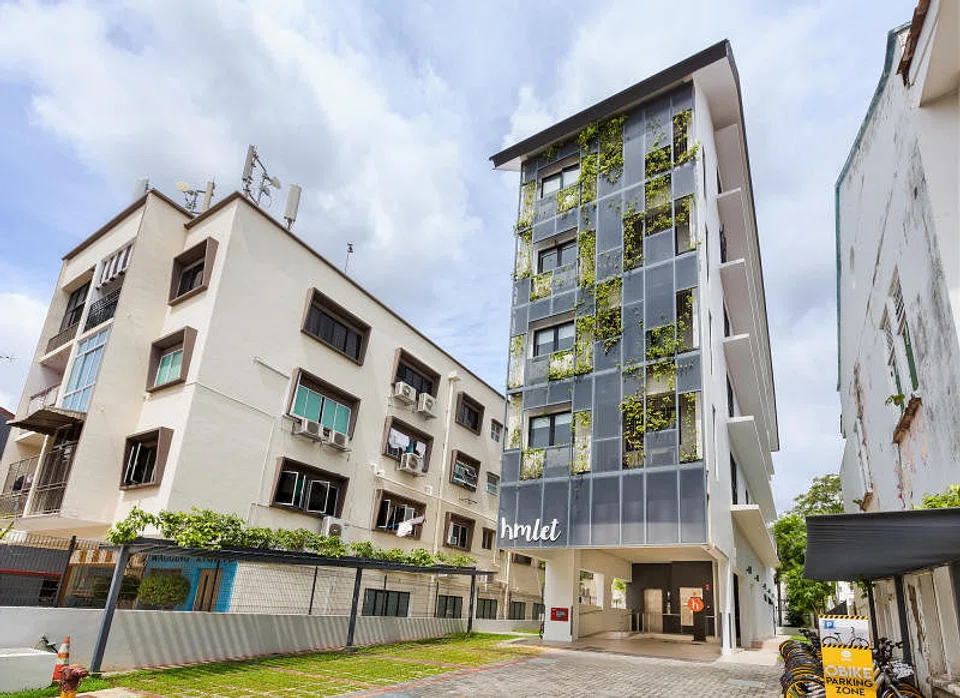
HMLET'S attempt to be a part of the property landscape in Malaysia and Thailand could be over. The co-living startup appears to have abandoned its ill-fated expansion into the two countries less than six months after its launch, as it grapples with a crippling pandemic and nagging questions about its future.
Sources estimate that it retreated from both markets around December last year.
A check on the company's website on Friday showed that property listings in both countries have been taken down. In September last year, former chief executive and co-founder Yoan Kamalski told The Business Times (BT) that Hmlet had more than 1,000 apartments listed on its platform in Malaysia, and over 2,500 in Thailand.
"The Malaysia and Thailand offices were managing the pilot programme Hmlet Listed, which we have since paused to focus on our core offering," said a Hmlet spokesperson in response to queries from BT. Hmlet Listed is a platform which lets landlords list their properties directly with the startup.
In July 2020, Hmlet acquired Thai online rental platform Flat Monthly, which was co-founded by Anthony McDonald and Michael Hogg, to help with its digital strategy. The duo also reportedly led the pilot for Hmlet Listed. Mr McDonald's LinkedIn page shows his stint with Hmlet ended in December 2020.
Hmlet had earlier pursued a strategy of expanding to other Asia-Pacific countries to take advantage of the buoyant housing markets and rapid economic growth.
But when the Covid-19 pandemic hit, Hmlet wound up being one of the more exposed co-living players in the region. Its earnings took a hit last year when a swath of young expatriates - its core target segment - had to return home as borders closed and companies downsized. At the same time, the startup was still locked in long-term rental agreements or management contracts with landlords.
The startup now also has to grapple with the after effects of losing its C-suite and several top management executives in a string of departures over the past year. Executives from its investor Burda Principal Investments have had to step in to fill some of these roles.
In November last year, EdgeProp reported that the company had withdrawn from one of its prime locations after negotiations with a building owner fell through. The startup had repeatedly asked BS Shenton, its landlord, for rental concessions in view of the deteriorating business conditions. Occupancy at the property, Lumiere, had fallen from 93 per cent in January to 67 per cent in April, with more tenants expecting to move out, according to EdgeProp. Hmlet and the landlord could not agree on the terms of the rental relief.
Lumiere might not be the only property that Hmlet would have to delist from its platform. The startup is grappling with a fall in occupancy across several of its properties, sources said. This could weigh heavily on its bottom line.
The operator manages over 1,000 listings in Singapore, it said in September last year. A check on its website showed that its 145-room property in Cantonment has about 50 rooms vacant, which translates to an occupancy rate of about 65.5 per cent. Co-living operators typically try to keep occupancy rates above 80 per cent. In 2019, the three-storey facility - the startup's largest property to date - was developed jointly with LHN Facilities Management, an indirect subsidiary of Catalist-listed real estate management services group LHN. Hmlet Township 2 Pte Ltd, a subsidiary of Hmlet Pte Ltd, is the sole tenant of the property.
While some properties - such as those at Joo Chiat, Cairnhill or Bartley Ridge - are fully booked or have fewer vacancies, the website showed that all 10 rooms in Hmlet's property at The Sail @ Marina Bay are still available. Hmlet might be struggling to fill these rooms. The startup has had to lower its rental rates to attract locals, who are more price-conscious and prefer rooms that are at the fringe of the city, according to a Tech in Asia report in December last year. The startup has recently been offering customers up to S$600 off for a 12-month lease.
READ MORE: