

Temasek-backed fashion startup Zilingo lays off about one-third of staff in Singapore
Singapore
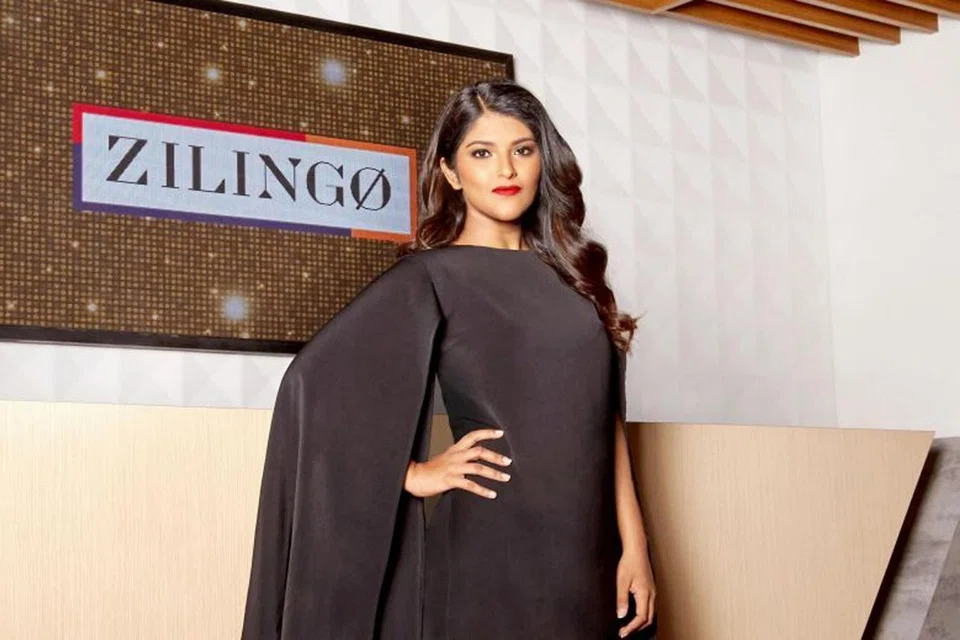
TEMASEK-BACKED fashion e-commerce startup Zilingo confirmed late on Friday that it has made redundant less than 5 per cent of its 796-strong global workforce, as part of a "planned company-wide restructuring".
About 35 staff in Singapore were affected, out of a total of 103 full-time employees, according to internal sources.
Laid off workers here - who cut across many departments - were reportedly given no warning before they were notified on Friday.
The Business Times understands that they have been now placed on gardening leave.
Staff were told on Friday that the aspiring unicorn is going in a "new direction", and therefore needed to streamline operations.
When queried by BT, the Singapore-headquartered startup declined to confirm the number of staff laid off or provide details on their compensation package.
Instead, its spokesperson said that the startup "had to make several tough decisions to take forward its business plans in the course of time".
"At the moment, we are solely focusing on our core business plans in Asia and emerging markets, with our recent shift to the B2B (business to business) model," the statement said. The spokesperson also said that the restructuring had "nothing to do with Covid-19".
Co-founders Ankiti Bose and Dhruv Kapoor began the startup in 2015 as an e-commerce platform in South-east Asia, but has since expanded upstream into the B2B space to look at problems relating to sourcing, software, data and financing.
Earlier last year, Zilingo raised US$226 million in Series D funding, bringing the total amount raised by the company to US$308 million, which helped it expand to the US, Australia and European markets.
Aside from Temasek Holdings, other key investors in that round included Sequoia Capital and Singapore investment fund EDBI.
Zilingo was valued at US$970 million after the fresh funding, according to a Bloomberg report in February 2019.
As at December last year, the startup was said to be working with 75,000 businesses and 6,000 factories on its platform, across 17 countries.
The startup had previously described itself as using technology-led solutions to "reimagine the fashion supply chain". These include software to connect merchants and factories to digitise, automate and scale, and to remove unnecessary middlemen; artificial intelligence to predict upcoming fashion trends; and financial services in terms of credit, working capital and insurance.
TRENDING NOW
Easy to rent out, hard to sell: Are buyers losing interest in Singapore’s one-bedroom condos?
GovTech retrenches another 38 staff in second round of layoffs

Stocks to watch: Seatrium, CapitaLand Investment, Keppel DC Reit, Suntec Reit, CLCT, TSH Resources
World’s largest offshore wind platform by Seatrium consortium on track to be completed by 2028

