

Ripple aims to make a splash in Asia with expansion of Singapore office
The blockchain firm plans to add business development, partnerships roles to its Asia-Pacific headquarters here

Sharanya Pillai
Singapore
AS MORE banks come aboard the blockchain wagon, US-headquartered startup Ripple is expanding its Asia-Pacific headquarters in Singapore to be more responsive to the needs of its regional customers.
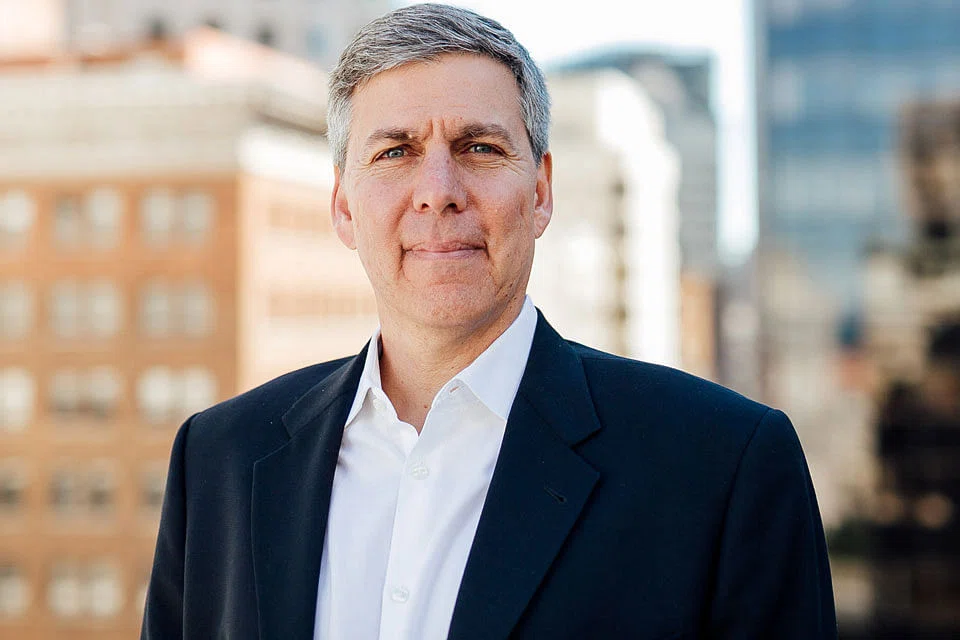
Over the next year, the blockchain firm will double its headcount of about 12 staff here, and expand the scope of its operations beyond basic customer-servicing, Eric van Miltenburg, the company's senior vice-president of global operations, told The Business Times.
Ripple arrived in Singapore in early 2017. The company builds enterprise software for banks to support cross-border payments. It operates RippleNet, a blockchain-powered network of over 200 banks and payments providers globally.
One of its key solutions is xCurrent, which taps on blockchain technology for banks to settle cross-border payments, purportedly reducing transaction time from days to seconds.
Asia is becoming a crucial market for Ripple, accounting for about half of its more than 200 customers, said Mr van Miltenburg. South-east Asia, in particular, is an "incredibly important market" for the company, given interest from regional banks in using blockchain for payments. Ripple's customers in this region include Singapore remittance startup InstaReM, Malaysia's CIMB Bank, Thailand's Siam Commercial Bank and BDO in the Philippines.
With its office here, Ripple wants to reproduce the capabilities of its corporate headquarters, "creating a full representation of our functional team to be close to the customer, responsive to opportunities and get to understand the market better", Mr van Miltenburg explained.
"We're definitely expanding the profile of the office from just being customer-facing, which certainly was the initial thrust, (with) sales, account management, our implementation engineers... to adding business development and partnerships support," he said.
Ripple is in close contact with regional authorities, including the Monetary Authority of Singapore and the Bank of Thailand on regulatory issues. The company's head of government and regulatory affairs for APAC, Sagar Sarbhai, is based in Singapore.
Ripple's global ambitions come as blockchain enters the mainstream. Last month, IBM launched a new blockchain network for regulated financial institutions, IBM Blockchain World Wire, to support cross-border payments and foreign exchange in over 50 countries. Meanwhile, JP Morgan in February launched its own digital coin to speed up payments between corporate customers.
Amid the buzz, Ripple has been pushing out new innovations. Last October, it launched xRapid, which uses the cryptocurrency XRP as an intermediary digital asset to enable real-time payments and lower liquidity costs. XRP is the world's third-largest cryptocurrency by market value after Bitcoin and Ethereum.
Asked whether the blockchain payments space is getting more competitive, Mr van Miltenburg said that the developments are "validation" that Ripple is on the right track.
To be sure, there are headwinds. The price of XRP has crashed from a high of 92.14 US cents in April 2018 to just 35 US cents as of April 3, 2019, according to Coinbase data.
Ripple presently owns the majority of XRP supply, some of which it has sold "methodically" since 2012 to "strengthen the overall health of XRP markets", according to its website.
When asked if the proceeds is where Ripple's working capital comes from, Mr van Miltenburg said: "Partially...We do generate cash from that, which helps us invest in building the business. But we have 200 customers and a software business, so we also generate a revenue stream from those customers."
Regardless of movements in XRP's price, Ripple's core software business is sustainable, he stressed. Most of Ripple's XRP is held in escrow to address fears of the company flooding the XRP market.
Ripple's alliances with big banks and governments, as well as its majority ownership of XRP supply, have made it something of a villain among blockchain enthusiasts. But according to Mr van Miltenburg, Ripple is proud of its identity.
"We're the contrarian among contrarians; we're anti-anti-government... I think we're viewed by the cyberpunk, libertarian Bitcoin purists as being a sell-out... (But) we know that what we're doing is building a business."
Overall, Ripple has little reason to despair amidst the "crypto winter", Mr van Miltenburg maintained. Even as major cryptocurrencies have suffered steep corrections, blockchain technology is heating up, and doubling down on Asia is a no-brainer.
"The demand here is significant, so it's an easy decision for us to continue to invest in this market and make sure that we can... also seek out new customers, new partners and new ways that we can work with the market."
TRENDING NOW
Incidence of civil servants buying property near unannounced MRT stations ‘a concern’, but may not establish misconduct: PSD

Grab CEO’s wife Chloe Tong on life with Anthony Tan and finding her purpose

Income Insurance appoints former Manulife Singapore top man as new CEO

HDB reviewing ‘jumbo’ flat scheme after Telok Blangah unit listed for sale at S$2.18m

