

Shares in Chinese TikTok rival Kuaishou nearly triple on Hong Kong debut
 Add BT as a preferred source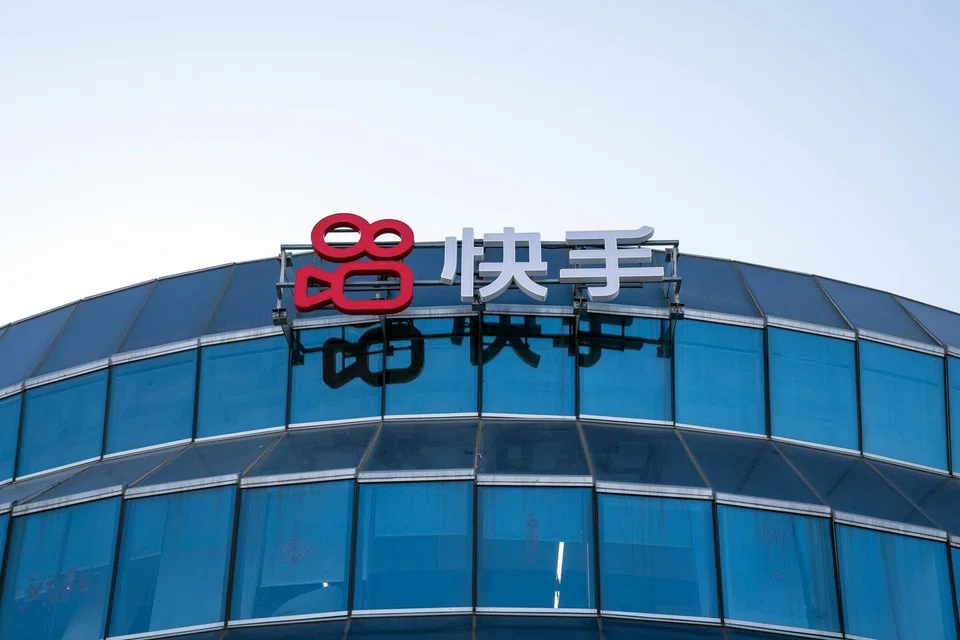
DeeperDive is a beta AI feature. Refer to full articles for the facts.
[HONG KONG] Shares in Chinese video app company Kuaishou almost tripled on their Hong Kong debut on Friday, following a US$5.4 billion initial public offering that was the biggest for an internet firm since 2019.
The company - among China's most popular short video platforms and a rival to TikTok's Chinese counterpart Douyin - soared to HK$338 at the open, from an IPO price of HK$115.
The listing of the company, whose name means "quick hands", comes during a time when Beijing is paying closer attention to its technology sector and high-flying firms within it. It put out draft anti-monopoly rules last year.
Kuaishou has over 19,900 employees and is "among the most widely used social platforms in China", it said in its prospectus.
Revenues grew to 40.7 billion yuan (S$8.43 billion) in the nine months ended September 2020, during which it had an average of 305 million daily active users in China.
Users spent over 86 minutes a day on the Kuaishou app on average, according to the company, which started out in 2011 as a platform sharing GIFs, or animated images, and later expanded into short videos and live-streaming.
Navigate Asia in
a new global order
Get the insights delivered to your inbox.
The company also created Zyn, an app which has surged in popularity abroad, especially in the United States. With Zynn, Kuaishou is trying to dethrone TikTok, the app made by its Beijing-based competitor Bytedance that has become a worldwide sensation.
AFP
Decoding Asia newsletter: your guide to navigating Asia in a new global order. Sign up here to get Decoding Asia newsletter. Delivered to your inbox. Free.
Share with us your feedback on BT's products and services
TRENDING NOW

Singaporeans can now buy record amount of yen per Singdollar

Beijing’s calculated silence on the Iran war

China pips the US if Asean is forced to choose, but analysts warn against reading it like a sports result

StarHub hands Ensign InfoSecurity control back to Temasek in S$115 million deal, books S$200 million gain

