

Singapore startups look to Russia amid tech labour crunch
They are participating in accelerator programmes, tapping on a host of tax incentives, free office space, government grants offered by Russia
Singapore
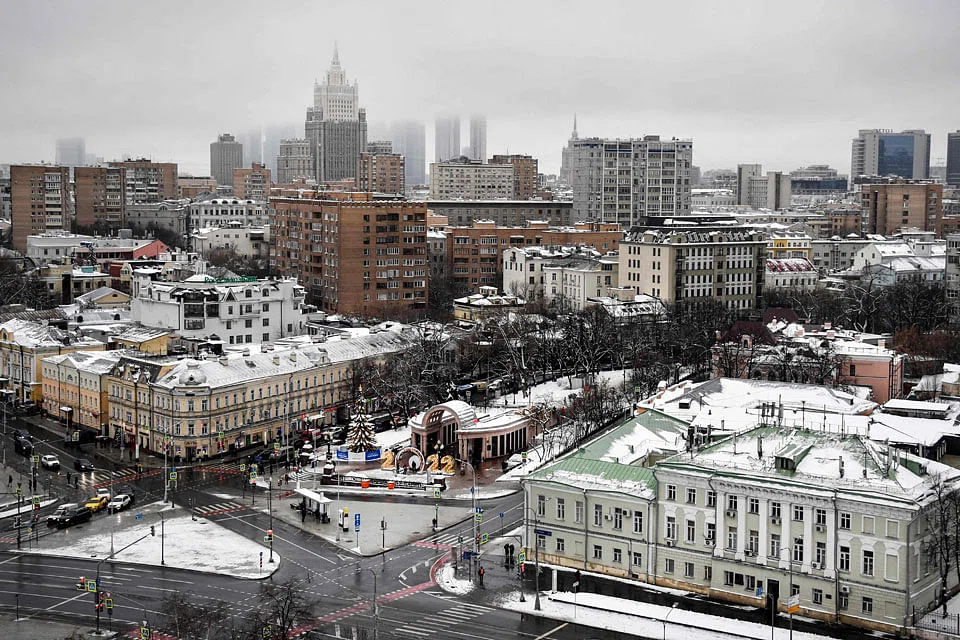
RUSSIA is pulling out all stops to attract tech companies to its startup hub in Moscow. The country's enigmatic personality might throw some off course, but it presents a bevy of opportunities for young Singapore startups to tap talent that is so scarce in the tiny island state they call home.
Faced with a tightening labour crunch in South-east Asia that seems far from abating, startups in the city-state are warming up to forming partnerships with Russia-based companies. They are participating in accelerator programmes and tapping on a host of tax incentives, free office space as well as government grants offered by Russia, all thanks largely in part to the country's ties with Enterprise Singapore (ESG).
In 2020, the Skolkovo Softlanding Program - a Russia-focused acceleration programme supported by ESG - saw more than 200 companies from Russia and 70 companies from Singapore apply. About 70 companies in total were selected to participate in the programme which aims to connect foreign startups to local authorities, companies and investors for business opportunities.
The Singapore-based companies who applied were mainly in the medtech, retail tech and cybersecurity sectors, said Yogeindran Thiayagarajah, ESG's regional group director for Russia and Commonwealth of Independent States (CIS), Central and Eastern Europe, and Central Asia. He noted that a "growing number" of Singapore companies have shown interest in the Russian market over the past few years.
In line with recent interest, ESG announced in November that it will be extending its Global Innovation Alliance network to include Moscow.
Likewise, Russia is keen to open its doors to a slew of innovative businesses that might help harness its large reserves of scientific and technological talent. The reason is simple: The country's future economic health rests on how well it can develop and diversify its economy beyond pulling natural resources out of the ground.
Reputational risks
A major roadblock remains. Russia is finding it tough to shake off a stigma tied to countless allegations of government-linked cybersecurity hacks and heavy-handed law enforcement. As much as opportunities abound, startups from Singapore are treading carefully while navigating the Russian tech arena.
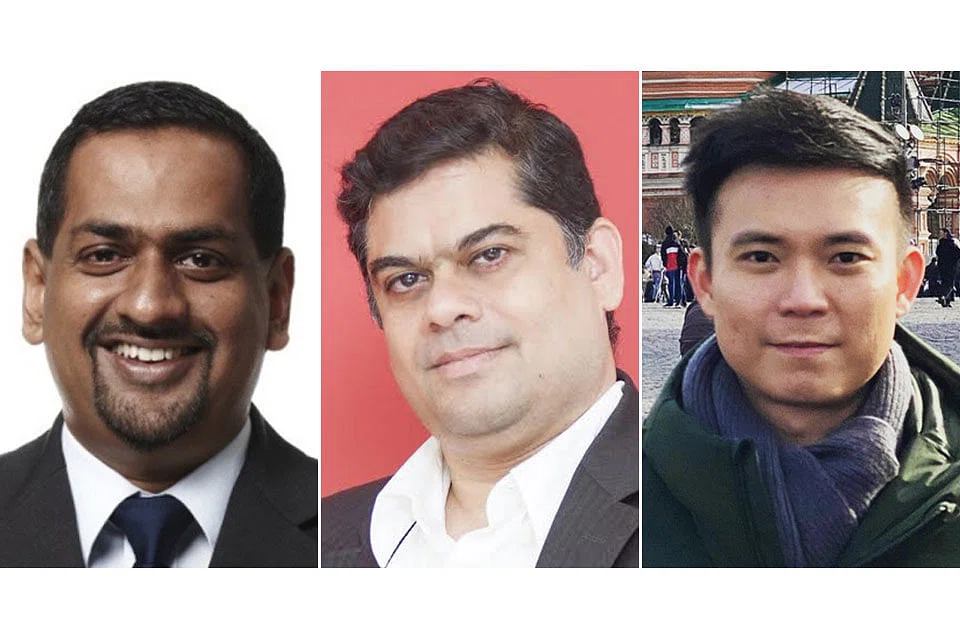
"People are generally still sceptical. When we went (to Russia), it was good to know what partnerships we could forge and the grants or networks we could tap, but to really consider setting up an office there and taking on Russian investors is a big step," said Toh Chuan Kai, co-founder of cybersecurity startup Group8.
Group8 was one of the participants of the Skolkovo Softlanding Program in 2020. It then collaborated with Russia-based cybersecurity company Positive Technologies and invited the company to give talks to the cybersecurity community in Singapore.
Positive Technologies was one of the firms added to the US blacklist in November for allegedly acting against US national security or foreign policy interests.
Even as Russia gained a reputation with news of alleged hacking and influence campaigns, interest in its tech talent rose. Tech companies in Singapore are among those finding ways to harness the brainpower of Russia's software engineers and developers, in hopes of alleviating the talent crunch they are facing in their home country.
Talent aplenty
Startups are finding that many experienced engineers in Russia or the CIS are hungry for jobs. The cherry on top: they are more affordable than those in the city-state.
Several tech companies from Singapore also turn to Russia look for programme managers who can source those people from neighboring countries like Belarus, Moldavia or Ukraine, said Leonid Musatov, executive director of Sistema Asia Capital, the venture arm of Russian private investment firm Sistema PJSFC and a partner of the Skolkovo programme.
There are many diamonds in the rough, particularly because of the competitive job market in Russia. In a land where jobs are scarce, computer science or engineering students have sharpened their skills over the years to stand out among the flood of graduates from top-tier universities every year.
"In Russia, it's impossible to find a programming job simply with a bachelor's degree from a top university. You will be jobless unless you have started working or an internship from your second or third year of university and have some experience," Aleks Farseev, co-founder and chief executive of SoMin.ai, a startup that uses artificial intelligence to study data to aid in social media marketing. SoMin.ai is also one of the startups that found opportunities in Russia through the acceleration programme.
"An average Russian fresh graduate can easily be a better programmer than someone from Singapore with 3 to 5 years of experience."
Singapore startups are not the only ones eyeing Russia's tech talent pool. Tech giants like Google and Russian conglomerates like Yandex too have been quick to find gems in this untapped market in the year of remote working, driving up demand and salaries.
"Now, you might get a very, very good developer or software engineer in Russia for S$7,000 to S$8,000 per month. For a team lead, you might want to pay S$10,000 to S$12,000," Farseev said.
In Singapore, salaries for top lead engineers have hit S$16,000 in the third quarter of 2021, while the 90th percentile of entry-level engineers can command salaries of about S$7,250 a month, according to reports from The Business Times, citing data from tech career platform NodeFlair.
Untapped fields
To be sure, it is not all about staffing costs. Some Singapore startups view Russia's population of 140 million people as a ripe market to tap.
For Graymatics, a Singapore-based startup that analyses videos in real time to provide insights on matters like security, expanding to Russia means that it could tap a large market with a huge number of closed-circuit televisions that are in need of automation.
"We are building a deep tech product and from that standpoint, it's less important to us as to what the cost base is. More importantly, we are looking at the required knowledge and talent base in Russia and that is outstanding," Abhijit Shanbhag, president and chief executive of Graymatics, told BT.
Shanbhag added that having the right "ecosystem partners" helps immensely when expanding into Russia. "Without help from ESG and Moscow's Department of External Affairs, it would be difficult for us to be able to wade through the business idiosyncrasies in some of these new markets."
READ MORE:
- Singapore well-placed for Russia resurgence in Asia
- Tech firms offer mouth-watering pay as they ramp up on Singapore hiring
TRENDING NOW

Grab CEO’s wife Chloe Tong on life with Anthony Tan and finding her purpose

He built the Vingroup empire. Now South-east Asia’s richest man is handing some key roles to his sons

US says China to buy 10 million tonnes of coal in 2027 and 2028

Tokyo reverses baby bust with AI matchmaking and generous subsidies

